Get your free personalized podcast brief
We scan new podcasts and send you the top 5 insights daily.
Despite AI lowering the barrier to coding, replacing dozens of SaaS subscriptions with self-hosted apps is a poor business decision. The opportunity cost of diverting focus from growing MRR, which creates significant enterprise value, far outweighs any potential cost savings from not paying for third-party tools.

Related Insights
Even if AI dramatically lowers coding costs, it won't destroy established SaaS businesses. Technical expenses only account for 10-20% of revenue for major SaaS players. The other 80% is spent on marketing, events, and client service, creating an opportunity for significant margin expansion.

While AI can easily replicate simple SaaS features (e.g., a server alert), it poses little threat to deeply embedded enterprise systems. The complexity, integrations, and "dark matter" of these platforms create a "hostage" dynamic where ripping them out is impractical, regardless of cloning capabilities.
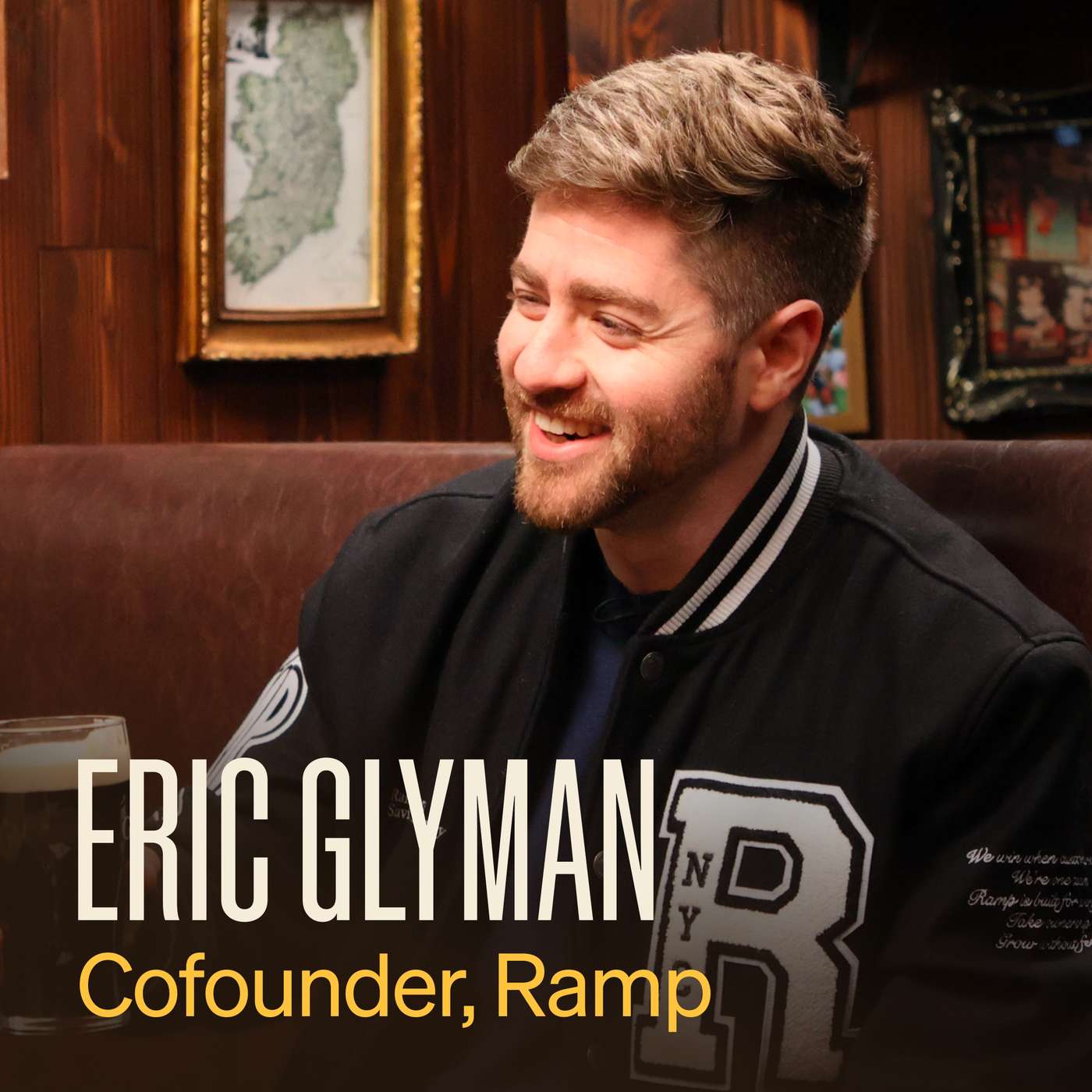
While AI can build an initial version of a software product instantly, the true, defensible value lies in the ongoing maintenance, support, and reliability. Customers will always pay for a product that is actively maintained and improved over time.

A new trend sees AI-native companies leveraging their own AI-assisted developers ('vibe coders') to create internal software that replaces their subscriptions to commercial SaaS products. This represents a significant threat to the traditional SaaS business model, as companies opt to build rather than buy simple tools.

Companies are now rejecting expensive SaaS contracts because their internal teams can build equivalent custom solutions in days using AI coding tools. This trend signals a fundamental threat to the traditional SaaS business model, as the 'build vs. buy' calculation has dramatically shifted.

For decades, buying generalized SaaS was more efficient than building custom software. AI coding agents reverse this. Now, companies can build hyper-specific, more effective tools internally for less cost than a bloated SaaS subscription, because they only need to solve their unique problem.

Building a custom tool with AI to replace a SaaS subscription seems cost-effective, but building is only 10% of the work. The other 90% is the often-forgotten overhead of maintenance, on-call support, security, and bug fixes that SaaS vendors typically handle.

The narrative that AI will kill SaaS is flawed. While anyone can now use AI to build custom tools, established companies retain value through brand and distribution. The real impact is deflationary: SaaS companies must lower prices to compete with the new "build-it-myself" alternative, compressing margins across the industry.

The idea that AI will eliminate SaaS is overblown because it incorrectly projects small startup behavior onto large enterprises. Fortune 100s face immense change management, security, and maintenance challenges, making replacing established vendors with internal AI-coded tools impractical.
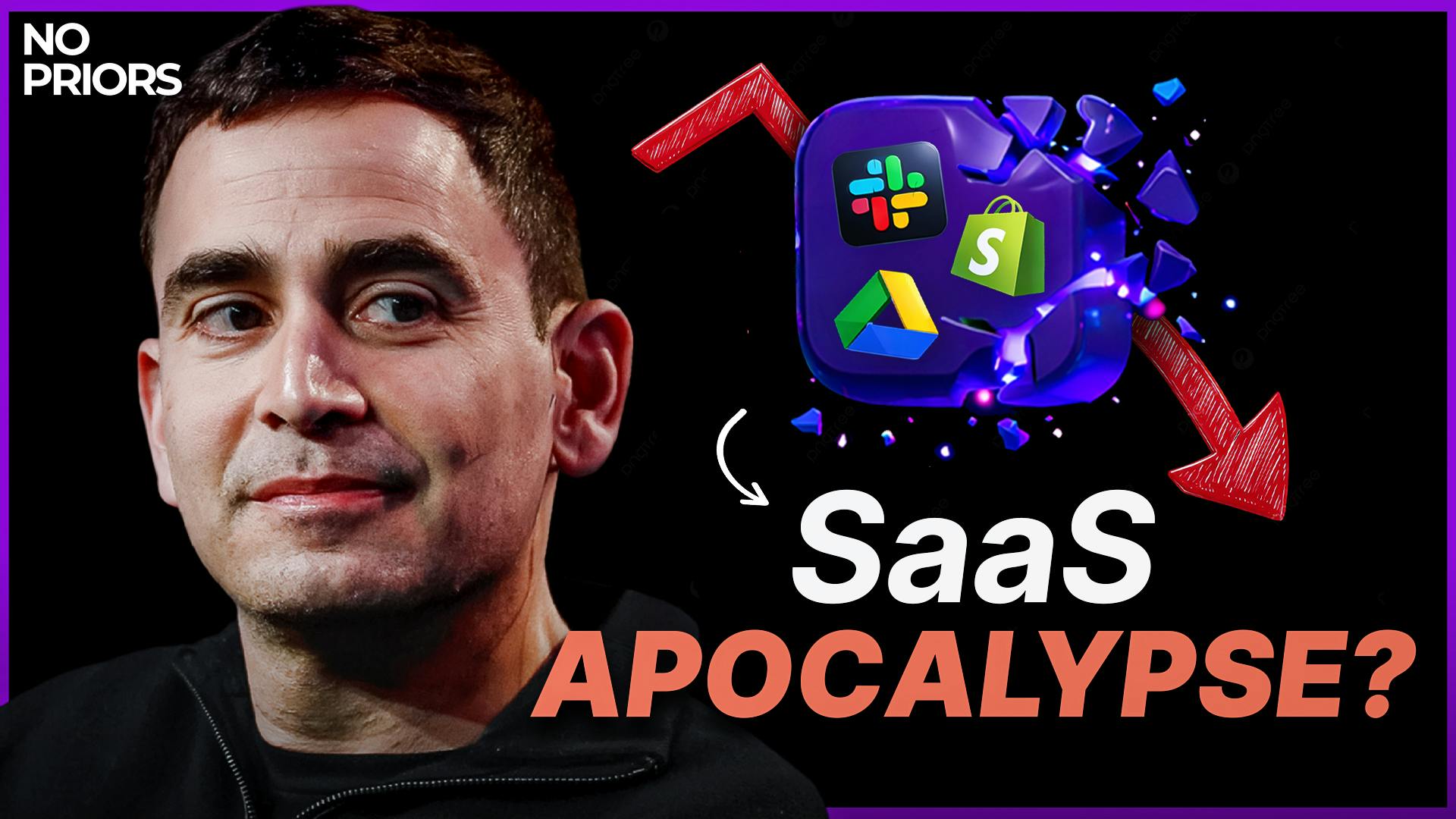
The ability to rapidly build custom software with AI is tempting. However, the ongoing maintenance and data quality assurance are the core business of SaaS companies. Buying a dedicated tool like a CRM often provides more value and less overhead than a custom-built solution, even with AI assistance.
