Get your free personalized podcast brief
We scan new podcasts and send you the top 5 insights daily.
A modern best practice for public company boards is the "board buddy" system. Each executive is paired with a board member who has relevant expertise, meeting monthly outside of formal meetings. This creates a judgment-free zone for mentorship and gives the board deeper insight into the executive team.

Related Insights
Goldcast's founders actively connected their marketing leader with an experienced CMO and sponsored the engagement. This demonstrates a powerful, tangible investment in professional development that accelerates a leader's growth in navigating executive and board-level challenges.

To build stronger alignment and leverage board expertise, Chili's CEO pairs each executive with a specific board member as a mentor. This formal structure moves beyond typical board presentations to create genuine working relationships and opportunities for targeted guidance.

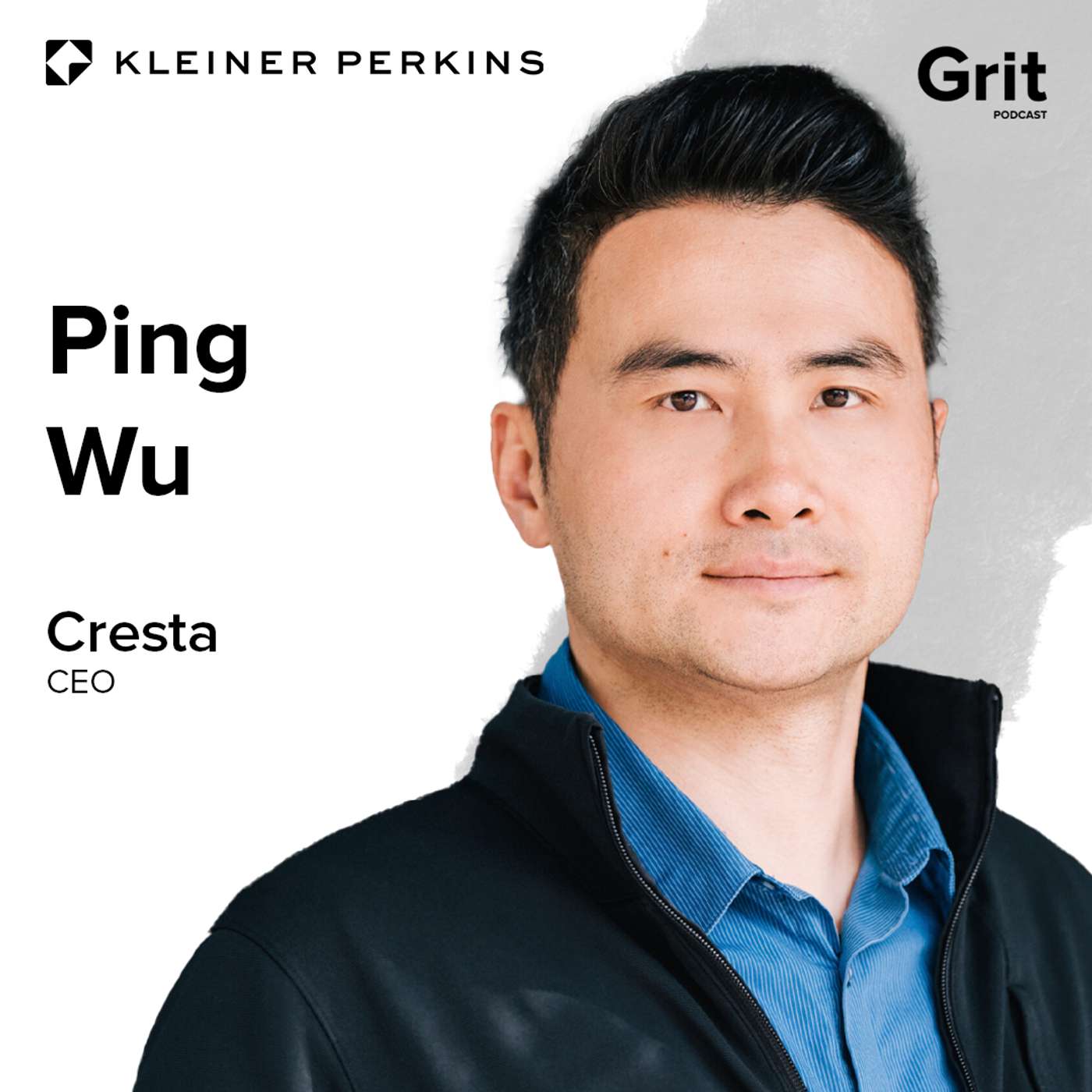
Ping Wu details how he leverages his board: he consults Doug Leone on SaaS company-building patterns, Sebastian Thrun on long-term AI trends, and former member Carl Eschenbach on go-to-market operations. This demonstrates a strategic approach to extracting maximum value from a diverse board.
An investment committee's value extends beyond simple gatekeeping. It serves as a vital communication tool between company divisions, a focusing mechanism to prevent chasing distractions, and a mentoring opportunity where junior talent can learn from senior-level analysis and decision-making.
Rather than seeking traditional mentors, Allspring CEO Kate Burke advises building a personal "board of directors." This is a curated, dynamic group of people from different areas of your life who provide diverse perspectives on challenges, with members rotating as your career and life evolve.

A manager is not a mentor. Instead of depending on a single, formal mentor within their reporting structure, aspiring leaders should cultivate a personal 'board' of two or three trusted advisors. This external network provides diverse, on-demand input for specific business situations that fall outside a leader's direct experience or comfort zone.

Having sat on both sides of the table, Erik van den Berg defines the distinct roles. Management's job is to execute the plan, solve daily problems, and create operational options. The board's role is to challenge assumptions, provide high-level connections, and act as a strategic coach for the leadership team.

A top-performing CEO adapted the board practice of an "executive session." He periodically removes himself from his own leadership meetings and asks an HR leader to gather candid feedback on his performance. This powerfully models vulnerability and a commitment to continuous improvement for the entire organization.

The most valuable board directors go beyond fiduciary oversight and serve as a confidential peer and sounding board for the CEO. This relationship is crucial in a role that often lacks internal peers for strategic counsel.

To build a strong "personal board of directors," go beyond your immediate network. A powerful tactic is to ask your existing, trusted mentors to identify their own mentors and explain what makes them valuable. This provides a vetted, high-quality pipeline for expanding your circle of guidance.
