Get your free personalized podcast brief
We scan new podcasts and send you the top 5 insights daily.
A program for children with one-sided paralysis reframed tedious hand exercises as magic tricks. This "magic camp" approach led to a 30% improvement in the use of the affected hand within two weeks, showing art's power in clinical motivation and adherence.

Related Insights
The "Intensati" workout method combines physical movements with positive spoken affirmations (e.g., saying "I am strong now" with each punch). This practice layers the psychological benefits of positive self-talk on top of the neurochemical mood boost from the exercise itself, creating a powerful, synergistic effect.

By setting a clear, difficult goal (running 8 miles for an 8-year-old) with a desirable reward (a Garmin watch), parents unlocked extreme motivation. The watch's built-in metrics (steps, meditation points) then created an ongoing, obsessive feedback loop, proving how simple gamification can drive complex behaviors in children.

To sustain motivation for a new skill, the practice must be intrinsically rewarding. A guitarist struggled with a teacher focused on classical etudes but thrived with one who immediately taught her songs connected to her late father. The goal shifted from a future achievement to an immediate, emotionally fulfilling experience, making the practice itself the payoff.
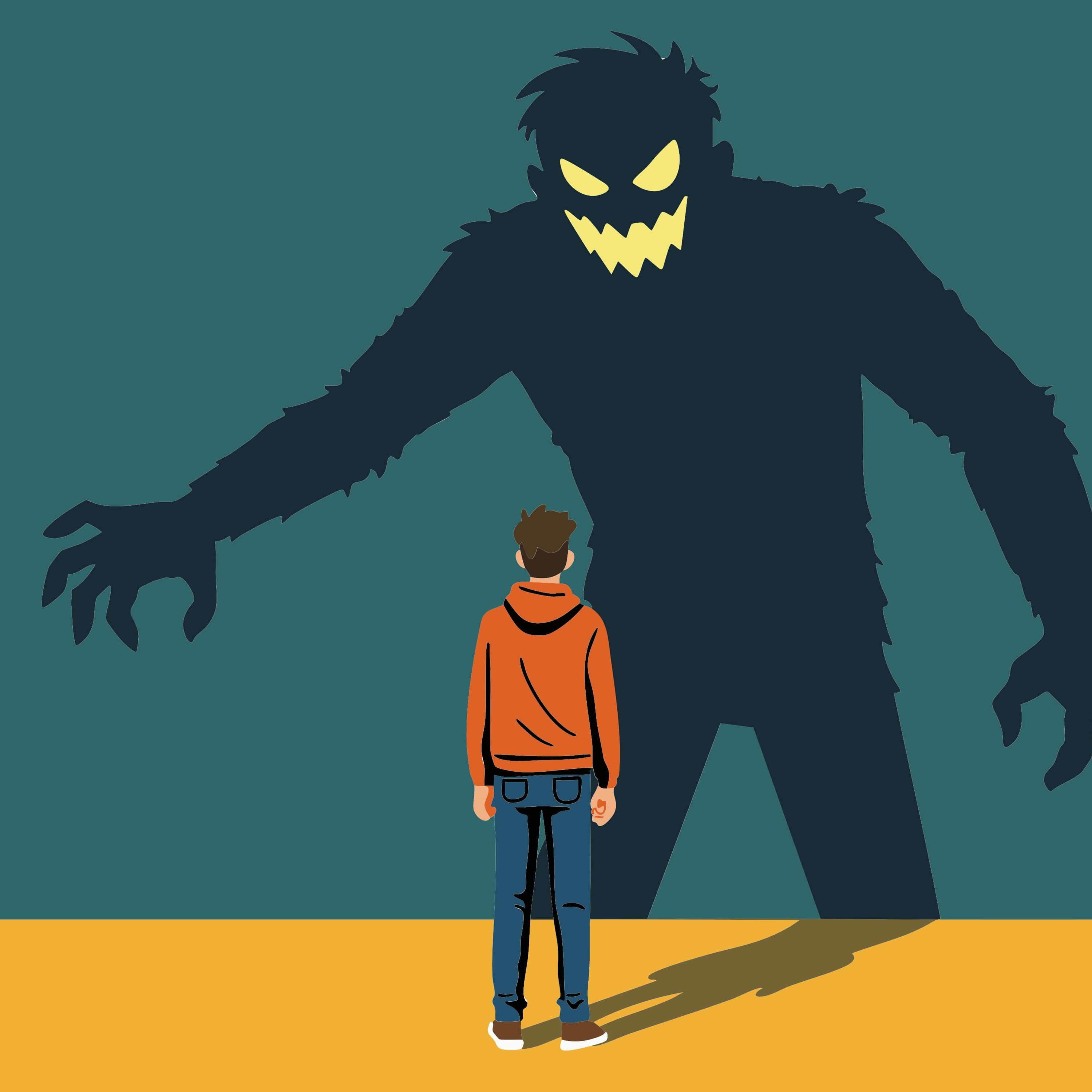
To maximize brain-changing benefits, prioritize play with novel, non-linear movements (e.g., dance) or games requiring multiple cognitive roles (e.g., chess). These activities uniquely engage the vestibular system and prefrontal cortex, opening the most powerful portals for neuroplasticity and learning.

The emerging field of "neuroaesthetics" shows that the physical act of making art has proven benefits for mental health and longevity. Crucially, these benefits are entirely independent of the creator's skill or the quality of the final product, emphasizing process over outcome.

Research shows that sprinkling achievement-oriented words (e.g., “win,” “master,” “succeed”) into instructions primes people for success. Participants in studies performed better on tasks, were twice as willing to persist, and experienced physiological changes in dopamine and testosterone levels.
While discipline is essential, recovering from traumatic injury is powerfully accelerated by an external, high-stakes goal. The pressure of preparing for a film with Jason Statham provided a tangible target that dragged Bugsy Malone through painful rehab.

Research indicates a significant correlation between regular arts engagement and longevity. Experiencing art just once a month or more is linked to an extension of life by as much as ten years, reframing art from a quality-of-life amenity to a life-extension tool.
Your brain processes a vividly imagined scenario and a real-life experience through similar neural pathways. This is why visualization is a powerful tool for skill acquisition and even physical change. For instance, repeatedly thinking about exercising a muscle can lead to a measurable increase in its mass, without physical movement.
Psychologist Alan Richardson's study on basketball players demonstrated that mental rehearsal is almost as powerful as physical practice. The group that only visualized making free throws improved by 24%, just shy of the 25% improvement seen in the group that physically practiced on the court.
