Get your free personalized podcast brief
We scan new podcasts and send you the top 5 insights daily.
Bluesky is using AI not for content generation, but to democratize development. Its tool, Addy, allows any user to create custom feeds or moderation filters by describing what they want in plain English. This empowers community-led experiences without requiring any coding knowledge.

Related Insights
You don't need technical skills to build custom AI tools. Frame your needs as problem statements to a capable AI agent. The AI then acts as a product manager, asking clarifying questions to understand the requirements before generating the necessary scripts and workflows to solve your problem automatically.
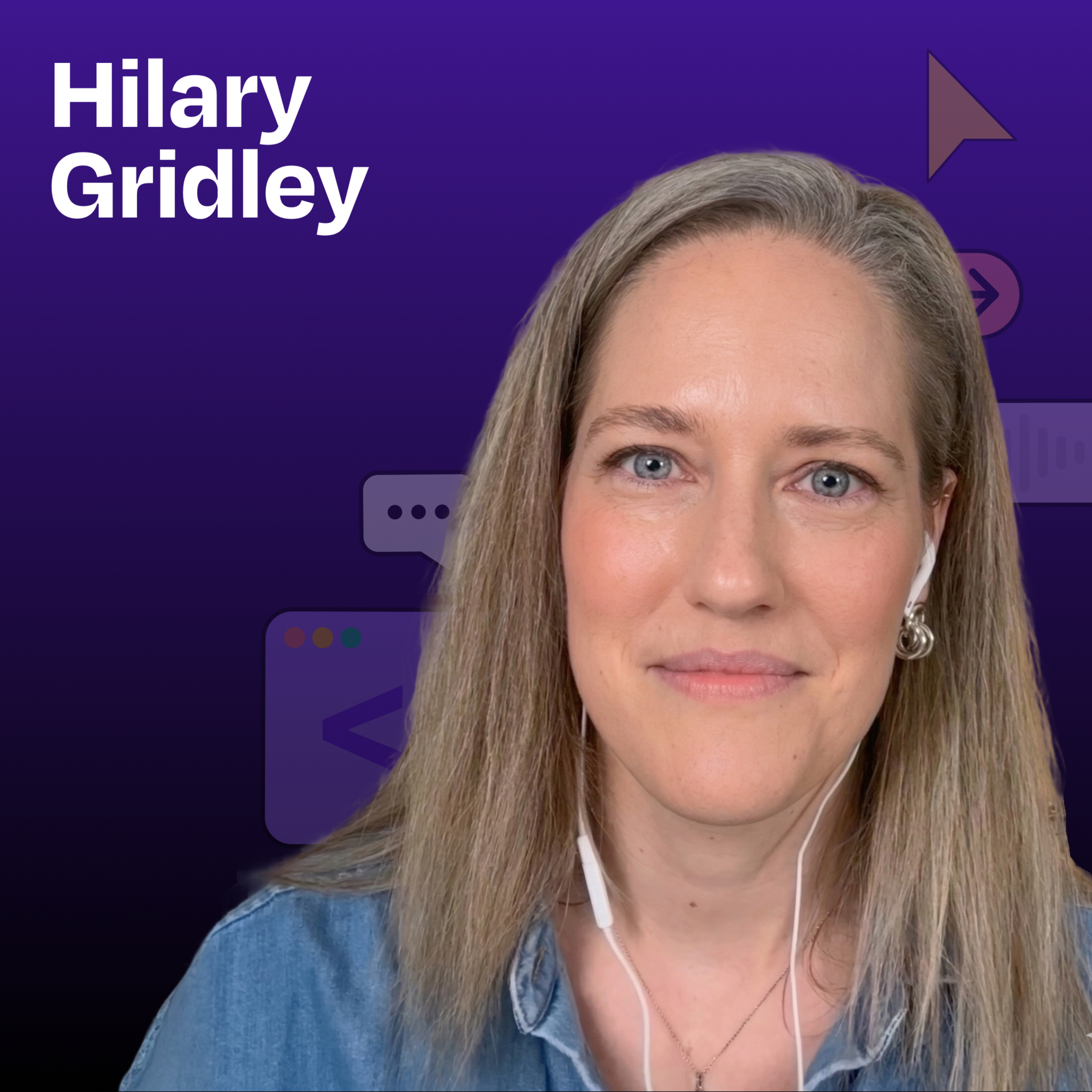
AI is democratizing software development by enabling non-technical subject-matter experts to build their own tools. By simply describing their ideas, they can generate fully deployed applications, shifting value from technical implementation to market and community insight.

Prototyping and even shipping complex AI applications is now possible without writing code. By combining a no-code front-end (Lovable), a workflow automation back-end (N8N), and LLM APIs, non-technical builders can create functional AI products quickly.
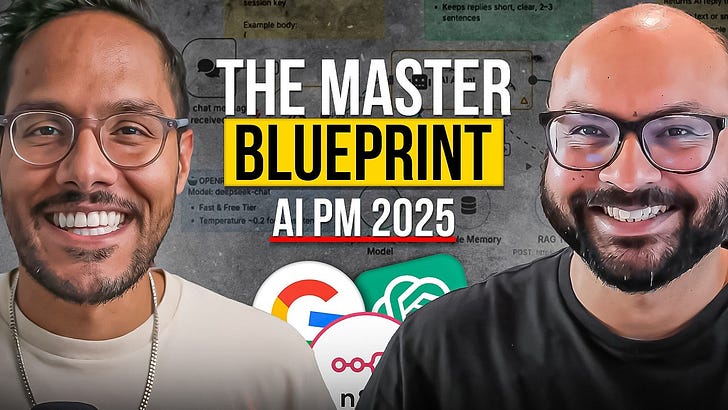
AI agents like OpenClaw dramatically lower the barrier to creating software. Founders with no prior coding experience can now build complex applications simply by issuing conversational commands, effectively making software development feel 'free' and accessible to anyone with an idea.
A design agency professional with no coding experience used the Moltbot agent to build 25 internal web services simply by describing the problems. This signals a paradigm shift where non-technical users can create their own hyper-personalized software, bypassing traditional development cycles and SaaS subscriptions.
The learning curve for traditional workflow automation tools like N8N is steep for non-coders. A more accessible starting point is "vibe coding"—using natural language prompts to build applications in environments like Anthropic's Claude. This lowers the barrier for marketers to create valuable, custom tools without deep technical expertise.

The creator of "Last 30 Days" is not a professional software engineer. He built the tool by using AI (Claude Code, ChatGPT) as his development partner, feeding it errors via screenshots and iterating on its suggestions. This workflow empowers non-technical individuals to create and ship valuable software.

Using AI platforms like Lovable, business leaders can build custom internal apps simply by describing what they want in plain English. The host created a bespoke org chart tool in 10 minutes, a process that previously required a lengthy and frustrating cycle with developers, showcasing a dramatic acceleration in productivity.
The excitement around tools like OpenClaw stems from their ability to empower non-programmers to create custom software and workflows. This replicates the feeling of creative power previously exclusive to developers, unlocking a long tail of niche, personalized applications for small businesses and individuals who could never build them before.
Non-technical users are leveraging agents like Moltbot to build their own hyper-personalized software. By simply describing a problem in natural language, they can create internal tools that perfectly solve their needs, eliminating the need to subscribe to many single-purpose SaaS applications.
