Get your free personalized podcast brief
We scan new podcasts and send you the top 5 insights daily.
Most people pick their identities from pre-canned societal boxes like "hipster" or "redneck." High-agency individuals, however, build their lives deliberately by questioning every choice. This creates a unique combination of traits that makes them interesting and authentic.

Related Insights
As AI automates tasks and replicates knowledge, what remains fundamentally human is our personal narrative. The collection of experiences, memories, successes, and failures shaping who we are cannot be generated by AI, making authentic storytelling a core human differentiator.
Purpose isn't a pre-existing truth you find, like an archaeological dig. It's something you actively build, like an architect. You choose an area of interest, invest energy to build skill, and it transforms into a passion through a feedback loop of personal fascination and external validation.

High-agency individuals resist social conformity. Their opinions don't fit neatly into ideological boxes. They often have unusual teenage hobbies (like juggling) that offered no social status, demonstrating an early internal locus of control and a disregard for external validation.

Since the brain builds future predictions from past experiences, you can architect your future self by intentionally creating new experiences today. By exposing yourself to new ideas and practicing new skills, you create the seeds for future automatic predictions and behaviors, giving you agency over who you become.

The conventional path demands you follow a standardized track and just be 'better.' Unconventionally successful people ('dark horses') invert this. They prioritize personal fulfillment, and professional excellence becomes the natural byproduct of that authentic pursuit.
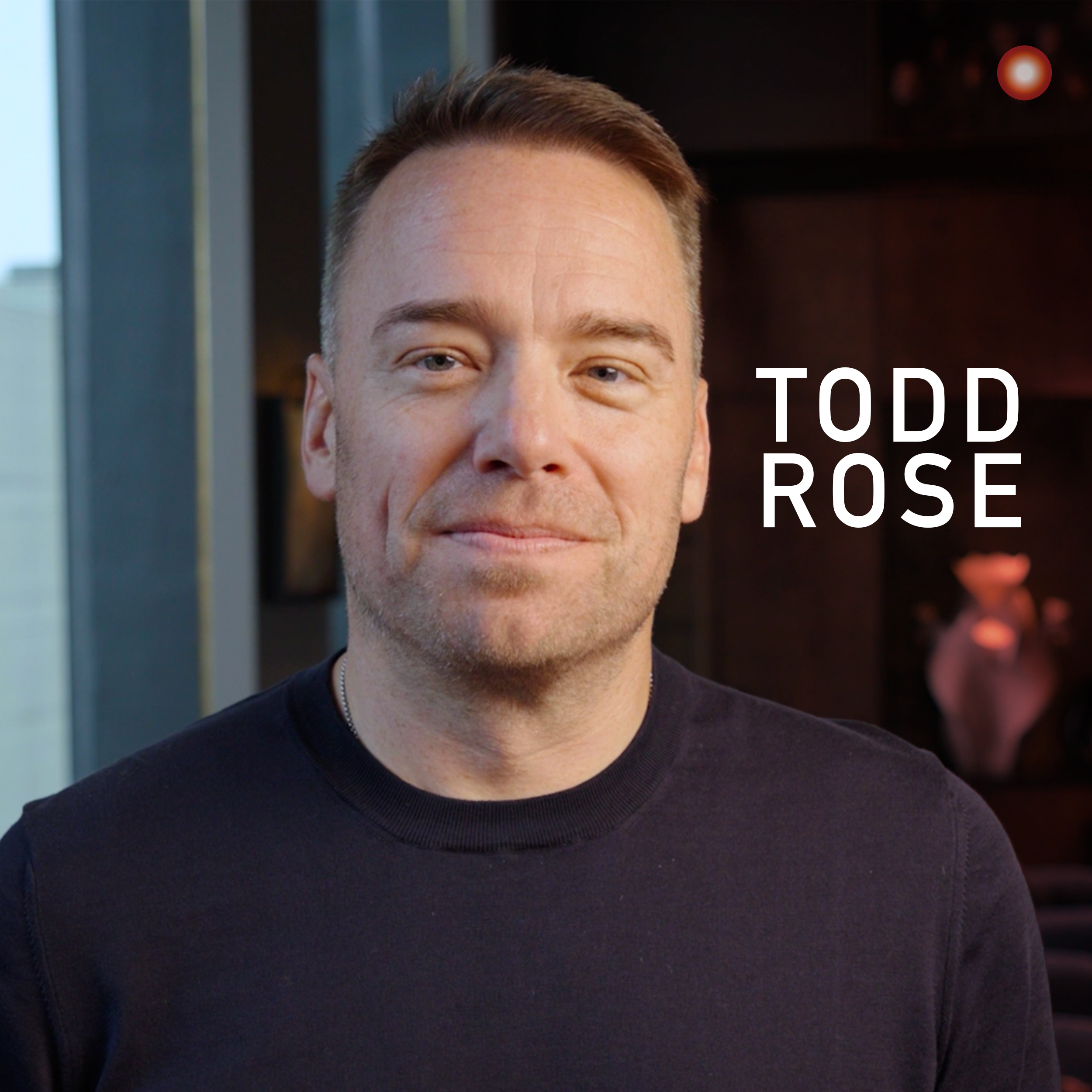
The person you'd call to break you out of prison (assuming they have no wealth or contacts) embodies high agency. This quality isn't just IQ or work ethic, but a rare combination of extreme resourcefulness, absurd self-belief, and a high locus of control.
The ultimate aim is not to achieve conventional success, but to fully express your unique self. This lifelong project is paradoxical: you cannot become unique by yourself. You need others—friends, family, customers—to reflect your authentic self back to you, helping you see who you are.
![Kevin Kelly - Be Generous and Unique - [Invest Like the Best, CLASSICS] thumbnail](https://megaphone.imgix.net/podcasts/9e957b1c-b60e-11f0-8fae-c3720ebd149d/image/fe443cb4b0d58f10dbccb1cf43a6abe2.jpg?ixlib=rails-4.3.1&max-w=3000&max-h=3000&fit=crop&auto=format,compress)
Your personal brand should transcend your current job title. Identify recurring themes in your career and articulate them as core "I am" statements (e.g., "I love to build things from the ground up"). These statements should be true for you across different companies and roles, forming an authentic and enduring brand.

While having a clear, formulaic professional identity (e.g., 'the B2B SaaS investor') helps with fundraising, being interesting and unlabelable attracts more serendipitous and potentially groundbreaking opportunities. People with diverse passions create a magnet for other interesting people and ideas.

Don't try to invent aspirational values. Your true values are already embedded from childhood, often as a reaction for or against your experiences. The process is one of self-excavation—analyzing consistent behaviors during life's highs and lows—not wishful thinking.
