Get your free personalized podcast brief
We scan new podcasts and send you the top 5 insights daily.
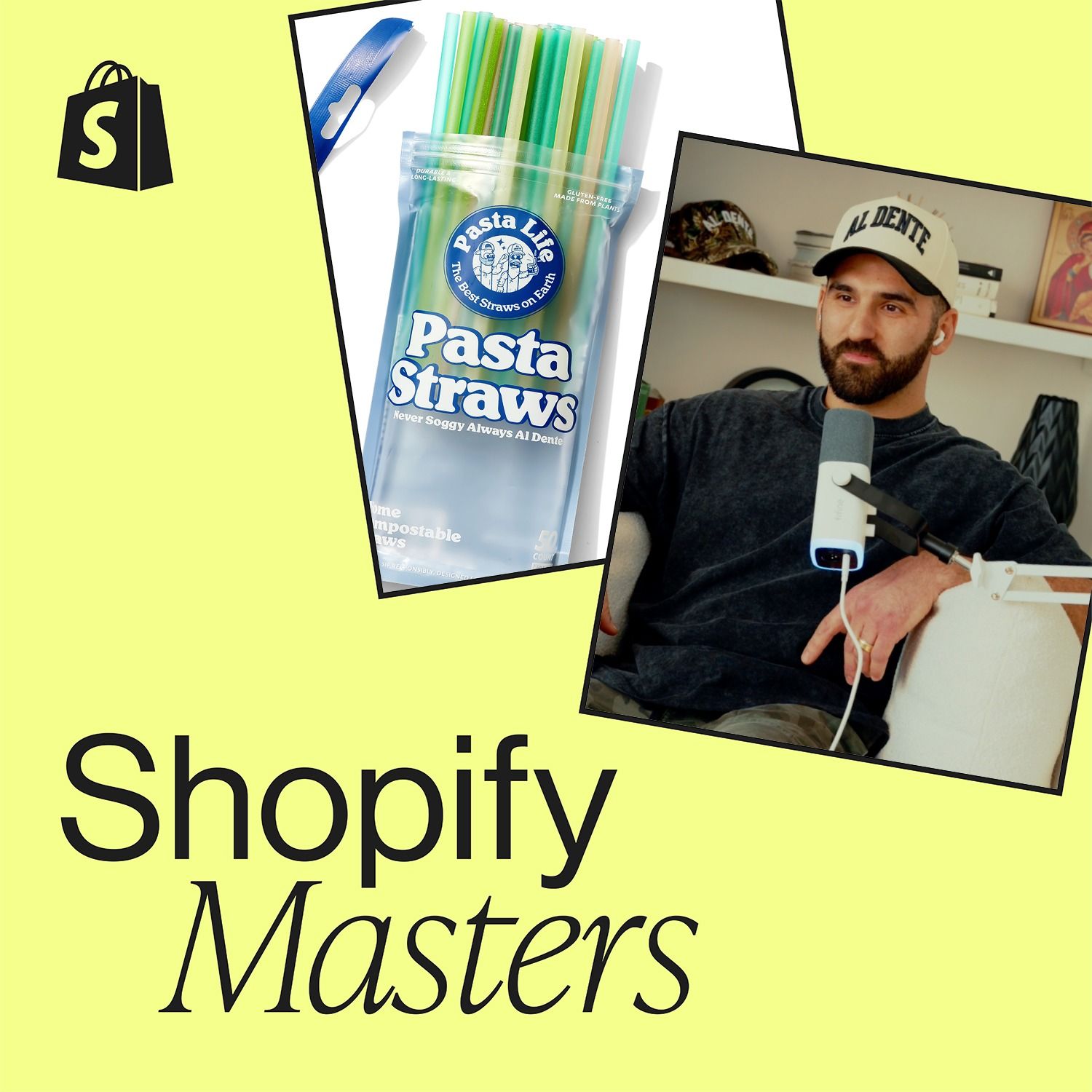
For a low-cost, high-volume product like a straw, securing B2B contracts (e.g., one hotel buying 100,000 units) provided a more stable financial foundation than pursuing individual D2C sales. This volume-first approach was critical before expanding into direct-to-consumer channels.
Related Insights
For a food business with a successful B2B wholesale or catering model, the immediate growth path is expanding that existing channel (e.g., from 45 to 90 partners). A brick-and-mortar location is a different business with high costs that can distract from the core strength.

Baby2Baby chose a B2B-like model, supplying partner organizations rather than individual families. This avoided the complex logistics of direct service, enabling them to reach vastly more people and scale their operations efficiently by leveraging existing community infrastructure.

When demand from a large customer outstrips your production capacity, propose a strategic financing arrangement. Ask them to help fund your expansion in exchange for a guaranteed volume contract, such as by pre-paying for a large future order or co-investing in a specific equipment line.
When direct-to-consumer growth flattens and acquisition costs rise, B2B channels offer a scalable alternative. Betterment's founder notes their B2B expansion not only provided scale but also fed more users back into their retail product, creating a powerful growth flywheel.
Instead of immediately selling to their target ICP (franchise auto dealers), Bali first built its product by working with four "practice" customers for two years. They then scaled by selling to 40 automotive vendors who served dealers. This refined the product and built credibility before they began direct-to-dealer sales.

The brand bundles its low-cost pasta straws with higher-margin merchandise. The merch, featured in viral social media videos, acts as an entry point to draw customers into the brand ecosystem. This bundling strategy increases average order value and makes the core product an attractive add-on.
Faced with fluctuating consumer demand, Taza diversified into B2B services like co-manufacturing and private label. This strategy kept their factory machinery utilized and staff employed, creating a stable operational and financial foundation that de-risked their more volatile branded business.

For EdTech startups, pivoting from D2C to B2B school sales is challenging, with long sales cycles. However, it creates a stickier business not subject to seasonal dips and, more importantly, provides equitable access to students in underserved communities, not just affluent families.

Before launching, assess a product's viability by the sheer number of potential distribution points. Manufacturing and logistics are solvable problems if the market access is vast. This reverses the typical product-first approach by prioritizing market penetration from day one.

Counterintuitively, focusing on a single, powerful SKU can be more effective for initial growth than launching a full product line. It simplifies your message, makes you attractive to distributors who value efficiency, and builds a strong customer base before you introduce new offerings.