Get your free personalized podcast brief
We scan new podcasts and send you the top 5 insights daily.
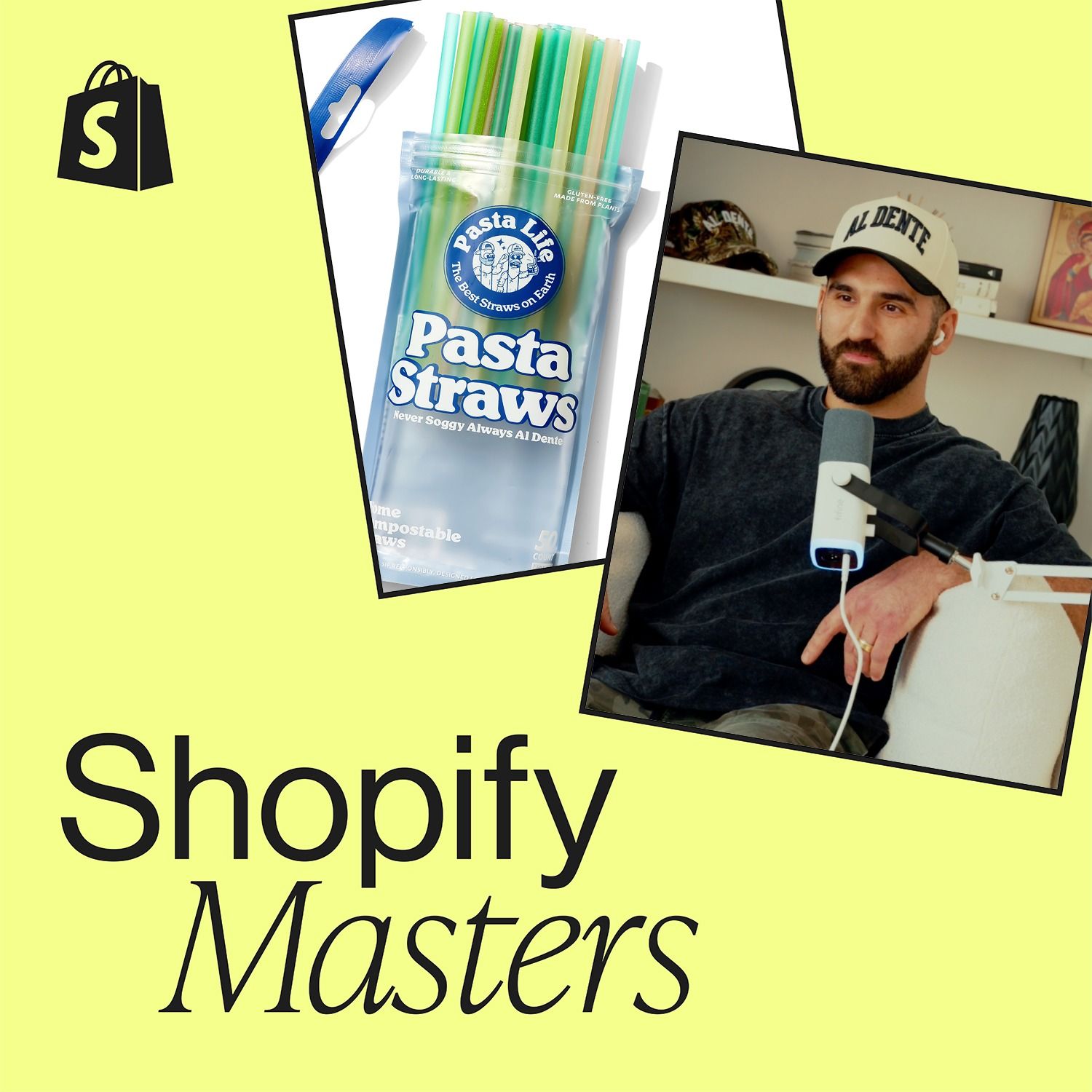
The brand bundles its low-cost pasta straws with higher-margin merchandise. The merch, featured in viral social media videos, acts as an entry point to draw customers into the brand ecosystem. This bundling strategy increases average order value and makes the core product an attractive add-on.
Related Insights
Foam Party Hats' 'cheese grater' hat for Bears fans went viral after a player wore it, driving $500k in sales in a week. This shows how timely, clever, fan-specific merch can create massive, sudden demand that traditional, 'vanilla' products miss.

Starbucks' limited-edition items, like a "bearista" cup selling for $500 on eBay, create massive hype through engineered scarcity. This strategy shows that for certain brands, limited-run physical goods can be a more potent marketing tool than the core product itself, fostering a collector's frenzy and a lucrative secondary market.

Don't just offer a single product with a price. Turn the buy box into a strategic merchandising area by offering curated bundles (e.g., 1, 3, or 5 packs) that provide better value or convenience. This guided buying experience can significantly increase Average Order Value (AOV).

The "How Italian Are You" series focused on community engagement, not immediate conversion. This top-of-funnel content created a brand-aware audience that was later retargeted with conversion-driven ads, proving brand-building can be more effective than constant sales pitches.
For a low-cost, high-volume product like a straw, securing B2B contracts (e.g., one hotel buying 100,000 units) provided a more stable financial foundation than pursuing individual D2C sales. This volume-first approach was critical before expanding into direct-to-consumer channels.
Consumers hesitate to pay for intangible digital content. By bundling an annual subscription with a physical item like a tote bag, zine, or coffee cup, publishers give subscribers a tangible 'excuse' to make the purchase, bridging the value perception gap between digital and physical goods.

The collectibles market is becoming a major lifestyle genre. Brands can capitalize on this by offering a limited-edition collectible with a purchase, which customers might resell on eBay. This creates buzz and drives demand for the primary product.

For commodity products with low differentiation (e.g., cereal, razors, shampoo), a collectible can be the deciding factor at the point of purchase. It acts as a powerful lever for trial. A consumer might buy for the collectible initially but discover they like the core product, converting them into a long-term customer.
For CPG brands, a physical retail presence, even with lower margins, should be viewed as a customer acquisition strategy. It provides crucial visibility and trial, driving customers to your higher-margin direct-to-consumer website for subsequent purchases and retention.

Counter-intuitively, for price-sensitive markets, decreasing average order value (AOV) is a key growth lever. A lower entry price point unlocks a larger segment of the population, increasing transaction frequency, building habits, and ultimately driving higher lifetime value.