Get your free personalized podcast brief
We scan new podcasts and send you the top 5 insights daily.
Brands that have survived for 50-100 years are likely to survive another 50 (the 'Lindy Effect'). Their audiences feel a sense of ownership, making them incredibly loyal and forgiving. This creates a durable, defensible asset that is hard to kill, even with mistakes.
Related Insights
A brand's history is a valuable asset. The most powerful ideas for future growth are often rooted in the brand's 'archaeology.' Reviving timeless concepts, like the Pepsi Taste Challenge, and making them culturally relevant today is often more effective than chasing novelty.

Enduring 'stay-up' brands don't need to fundamentally reinvent their core product. Instead, they should focus on creating opportunities for consumers to 'reappraise' the brand in a current context. The goal is to make the familiar feel fresh and relevant again, connecting it to modern culture.
Even though anyone can create media, legacy brands like The New York Times retain immense power. Their established brands are perceived by the public as more authoritative and trustworthy, giving them a 'monopoly on truth' that new creators lack.
Spotify leveraged its brand love to successfully expand from music streaming into podcasts and audiobooks. This emotional equity provides the necessary consumer trust for diversification, turning brand into a strategic asset for growth beyond the core product.
Post-interview analysis suggests The New Yorker outlasted competitors by holding tight to its identity rather than chasing trends. While other magazines from its era pivoted to match the internet's pace and failed, The New Yorker's deliberate, slow evolution protected its core value, proving that resistance to change can be a strength.

The pinnacle of branding is achieving "tribal belonging." At this stage, customers don't just consume the brand; they co-own it and become its most powerful advocates. The brand's community can sustain its power even in the absence of the core product.

The value of an asset like CBS isn't its current content but its decades-old brand recognition and trust. This brand equity is a moat that cannot be built overnight, regardless of funding. Even a $50 billion fundraise couldn't instantly create a competitor with the same perceived authority and history.
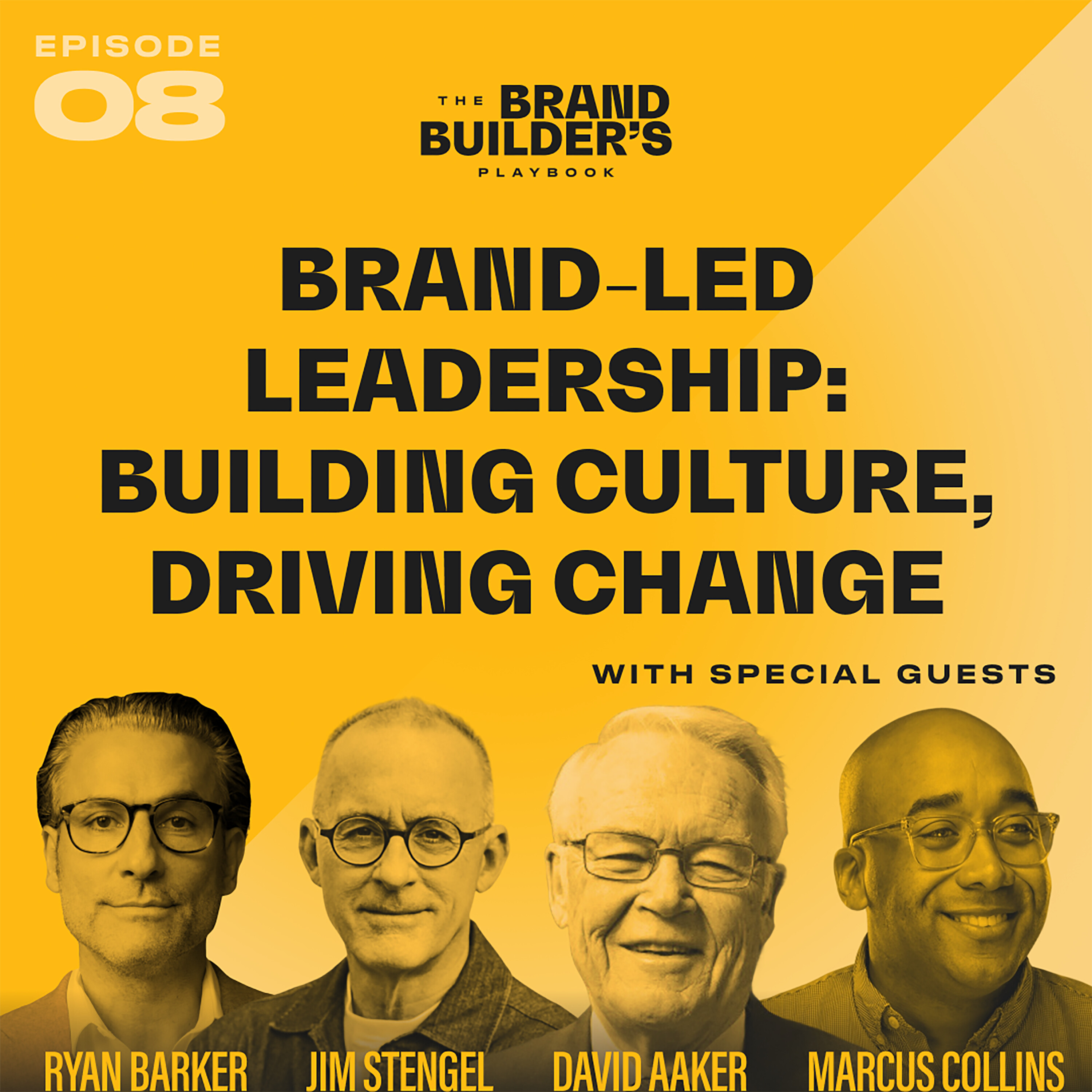
Reacting to a regression towards tactical performance marketing, branding expert David Aaker introduced his "Five Bs" framework (Relevance, Image, Loyalty, Portfolio, Equity). It reminds leaders that brand is a long-term asset and notably includes "Brand Portfolio" to emphasize that a strong brand rarely stands alone, requiring co-brands and endorsers.
Despite declining viewership, legacy media institutions like The New York Times and Washington Post remain critical because they produce the raw content and shape the narratives that fuel the entire digital ecosystem. They provide the 'coal' that other platforms burn for engagement, giving them unrecognized leverage.

A brand's long-term health depends on leaders viewing themselves as stewards, not owners. This mindset allows the brand to have its own life, adapt, and evolve—much like a child growing into its own person—ensuring it can survive beyond the founder's direct control.
