Get your free personalized podcast brief
We scan new podcasts and send you the top 5 insights daily.
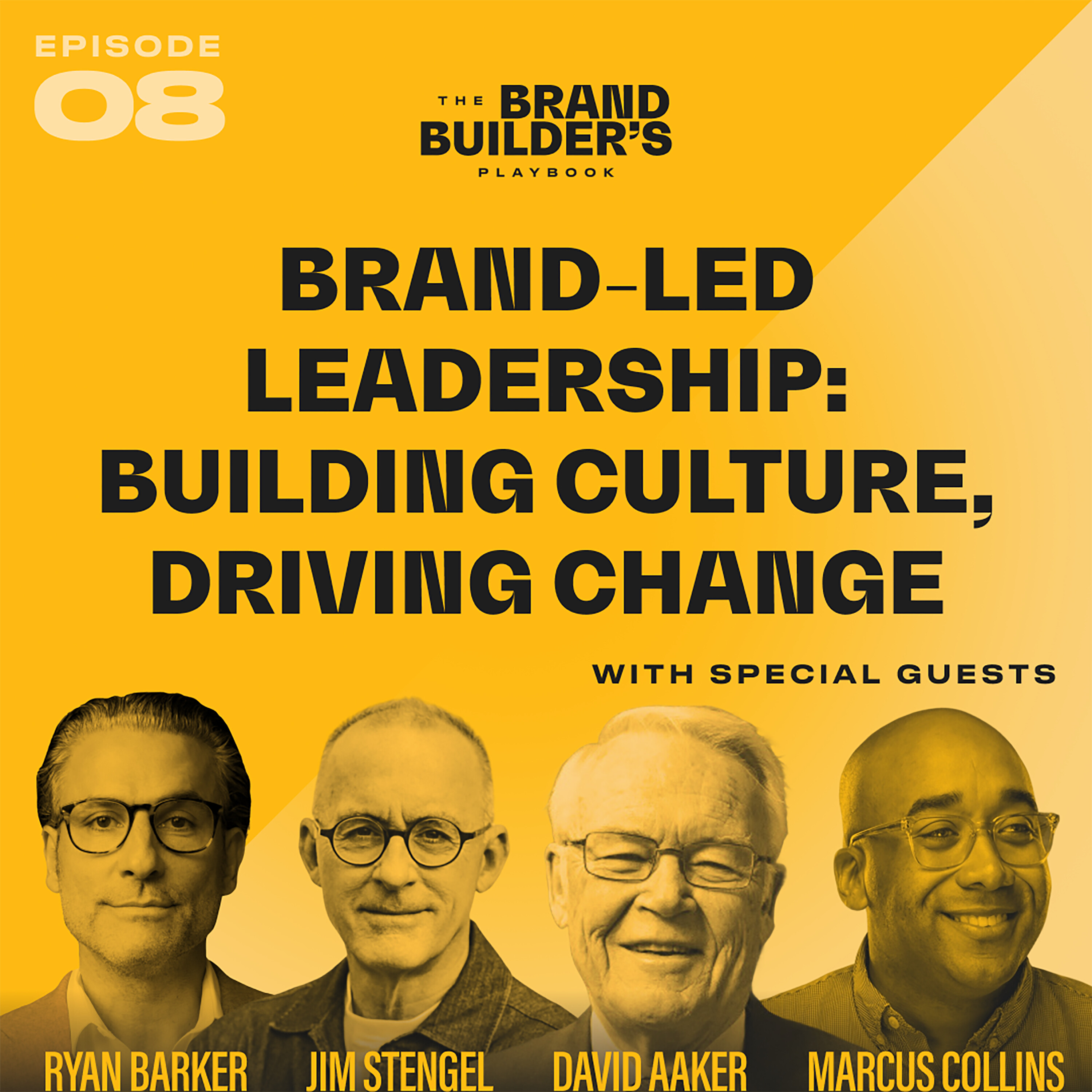
Reacting to a regression towards tactical performance marketing, branding expert David Aaker introduced his "Five Bs" framework (Relevance, Image, Loyalty, Portfolio, Equity). It reminds leaders that brand is a long-term asset and notably includes "Brand Portfolio" to emphasize that a strong brand rarely stands alone, requiring co-brands and endorsers.
Related Insights
Marketers often silo brand-building and sales-driving objectives, but they are intrinsically linked. If a creative fails to generate a short-term sales lift, it's a strong signal that it's also failing to build long-term brand equity. An ad that sells inherently delivers an equity benefit.

Enduring 'stay-up' brands don't need to fundamentally reinvent their core product. Instead, they should focus on creating opportunities for consumers to 'reappraise' the brand in a current context. The goal is to make the familiar feel fresh and relevant again, connecting it to modern culture.

Gap's Head of Digital argues that a lack of brand investment forces performance marketing to work harder and become less profitable. Strong brand relevance makes all other marketing efforts more efficient, creating a symbiotic relationship.
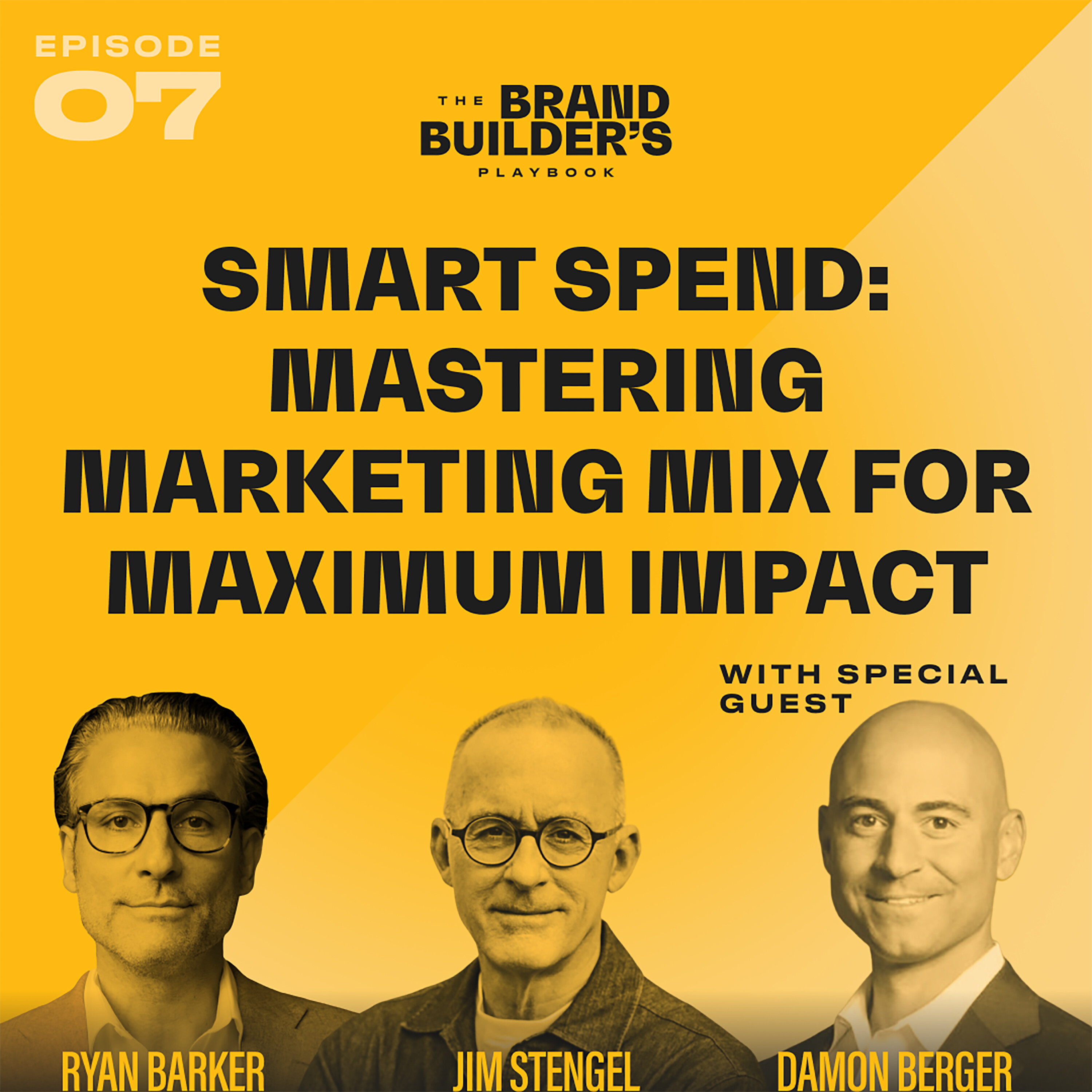
Before scaling paid acquisition, invest in a robust brand system. A well-defined brand DNA (art direction, voice, tone) is not a vanity project; it's the necessary infrastructure to efficiently generate the thousands of cohesive creative assets required to test and scale performance marketing campaigns successfully.

Stop viewing brand as a top-of-funnel activity. For elite companies, brand isn't a precursor to selling; it is the selling. It creates inbound demand that bypasses traditional conversion tactics like search ads or affiliate marketing, making it the most powerful and sustainable growth engine.

Marketing guru David Aaker argues that for a brand to stand out, being different isn't enough. The point of differentiation must be actively "intriguing" to capture attention and resonate with audiences. He cites the Haas Business School's "confidence without attitude" as an example of an intriguing brand pillar.
In a crowded market, brand is defined by the product experience, not marketing campaigns. Every interaction must evoke the intended brand feeling (e.g., "lovable"). This transforms brand into a core product responsibility and creates a powerful, defensible moat that activates word-of-mouth and differentiates you from competitors.

David Aaker identifies a simple, powerful tactic: ask your team what makes the company special—its "secret sauce"—and turn that into a formal brand asset. He argues even abstract concepts, like a unique way of treating people, can be branded (e.g., "the HP way") to create a potent, ownable differentiator.
Simply adding a celebrity to an ad provides no average lift in effectiveness. Instead, marketers should treat the brand’s own distinctive assets—like logos, sounds, or product truths—as the true 'celebrities' of the campaign. This builds stronger, more memorable brand linkage and long-term equity.
A brand's long-term health depends on leaders viewing themselves as stewards, not owners. This mindset allows the brand to have its own life, adapt, and evolve—much like a child growing into its own person—ensuring it can survive beyond the founder's direct control.
