Get your free personalized podcast brief
We scan new podcasts and send you the top 5 insights daily.
Trump's personal call to the FIFA president to overturn a player's suspension is seen not as a move for justice but as a calculated effort to inject himself into a global spectacle. This tactic prioritizes his personal brand over the integrity of the event or national perception.

Related Insights
The chaotic nature of major foreign policy moves, such as the Venezuelan operation, could be strategic. By creating an overwhelming and confusing news cycle, the administration can deliberately divert media and public attention away from damaging domestic issues like the Epstein files.

Trump's erratic approach isn't random; it's a strategy to create chaos and uncertainty. This keeps adversaries off-balance, allowing him to exploit openings that emerge, much like a disruptive CEO. He is comfortable with instability and uses it as a tool for negotiation and advantage.

Contrary to expectations of isolationism, the "America First" movement led to an acceleration of U.S. interventionism. The administration's actions were driven by a complex mix of macroeconomic constraints and personality-driven goals, not a simple withdrawal from the world stage.

Powerful figures like Trump and Musk strategically deploy headline-grabbing announcements as 'weapons of mass distraction.' This is not random behavior but a calculated tactic to divert public and media attention away from core weaknesses, whether it's a political scandal (Epstein) or a flawed business model (Tesla as just a car company).
Anne Applebaum argues that certain leaders don't analyze geopolitical issues by what benefits the nation, but by how they personally emerge as a 'winner.' This transforms complex diplomacy into a quest for applause and personal validation, rather than strategic problem-solving.

Mexican officials are less concerned about cartels disrupting the World Cup—as gangs see it as a business opportunity—and more worried that minor incidents will be amplified by Donald Trump to damage Mexico's international standing.
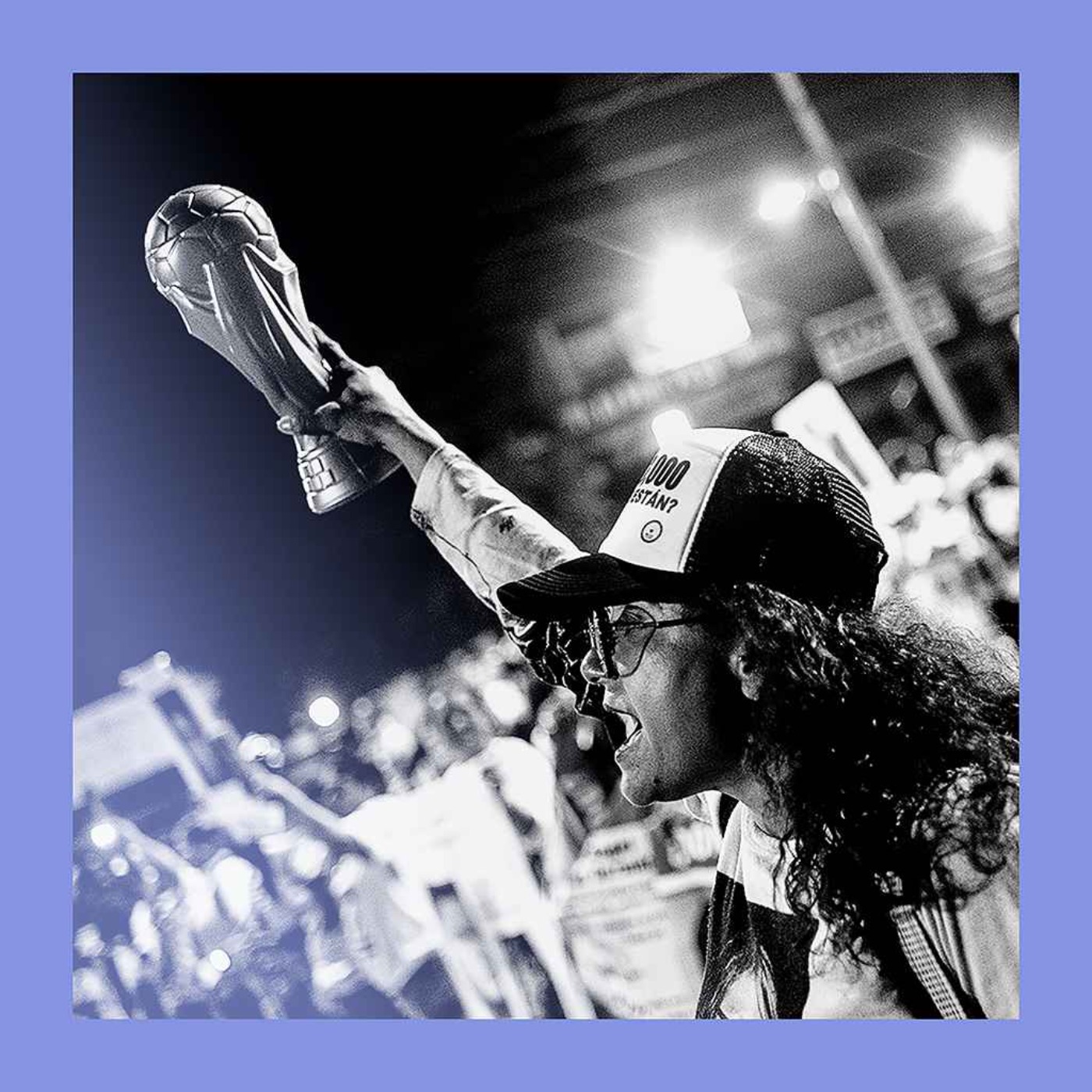
FIFA's strict on-field rules against political statements do not extend to press conferences. Just as U.S. players were questioned about Qatar's human rights, international players will be given a global platform to criticize American policies on immigration and foreign relations, turning the event into a forum for geopolitical commentary.

Misinterpreting Trump's actions as typical political maneuvering for short-term wins is a mistake. His high-risk, world-altering gambles are driven by the ambition to be a consequential president carved onto Mount Rushmore, not just to win the next election. He is playing for a complete reordering of the world.

The attack on Iran is viewed not as a strategic national security move, but as an action motivated by Donald Trump's personal legacy and brand. Decisions are centered on the "Trump" name and persona rather than traditional statecraft or established government policy.

A core element of Trump's worldview is the belief that global affairs can be managed through personal relationships and deals between powerful leaders, bypassing institutions. This 'great power condominium' approach explains his attempts to charm leaders like Putin and Xi, believing his personal diplomacy can resolve complex structural issues.
