Get your free personalized podcast brief
We scan new podcasts and send you the top 5 insights daily.
In a market wary of excessive stock-based compensation (SBC), a founder giving up a massive stock grant is a powerful signal of alignment with shareholders. It builds investor confidence and demonstrates a long-term belief in the company's value.

Related Insights
When Nikesh Arora joined Palo Alto, he didn't ask for a raise. He asked for seven years of the previous CEO's pay ($20M/year) granted upfront as stock with a seven-year vest. This single, long-term grant fully aligned him with shareholder value and simplified future compensation discussions.

To realign with investors after a 92% stock drop, Applovin's CEO took his first major compensation package. It was structured so he would only get paid if the stock recovered significantly from its all-time low, creating massive personal upside directly tied to shareholder value creation.

Instead of traditional stock options that dilute shareholders, Lifco uses a synthetic option program personally backed by founder Carl Bennett's own shares. Executives are granted options exercisable in 2030, tying compensation directly to long-term stock performance while ensuring non-founder shareholders are not diluted.

Intuit's founder, Scott Cook, maintains a $1.5B stake and serves as chairman. This continued, significant financial interest from the founder helps ensure the company's core customer-obsessed culture persists, providing a powerful force for cultural continuity and long-term alignment.

Unlike many founders who guard their equity, Brad Jacobs intentionally uses share issuance to fund value-accretive acquisitions. He has stated he's willing to go from 90% ownership to 10% if the resulting company's value makes his smaller stake worth more in absolute terms.
GSP goes beyond standard incentive plans by offering "super options" that vest only at high-multiple outcomes (3x, 4x). They believe the incremental dilution is a small price for creating powerful alignment with founders and management to strive for exceptional results.

Exceptional CEOs sometimes exhibit true altruism, prioritizing shareholders above personal enrichment. Mark Leonard of Constellation Software cutting his salary to zero and refusing options is a prime example. This rare trait signals a deep alignment with long-term shareholder value creation.

Palo Alto Networks' M&A strategy requires founders to "unvest" half their existing stock. This is offset by a generous new equity grant (25-40% top-off) in the parent company, creating powerful financial incentives for founders to stay for the new three-year vesting period.
Warren Buffett's successor, Greg Abel, is investing his entire $15 million salary into Berkshire Hathaway stock. This is a powerful form of "eating your own dog food" that signals ultimate confidence in the company's future to the market, aligning his personal financial success directly with shareholder outcomes.

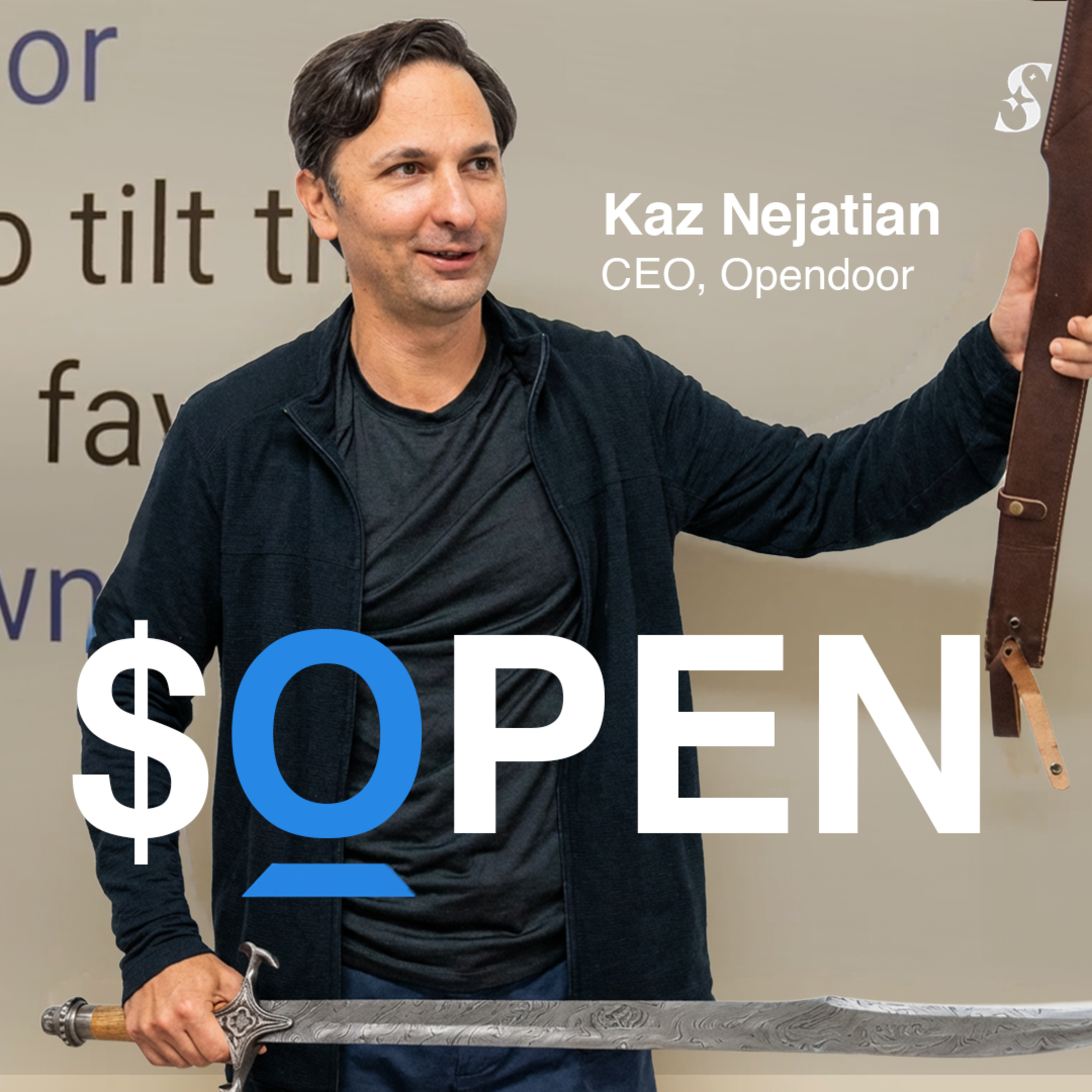
CEO Kaz Nejatian's compensation is a $1 salary, and he pays for his own benefits, resulting in a net-negative cash flow. This is an extreme form of "skin in the game" that aligns his incentives entirely with long-term shareholder value over a personal paycheck.