Get your free personalized podcast brief
We scan new podcasts and send you the top 5 insights daily.
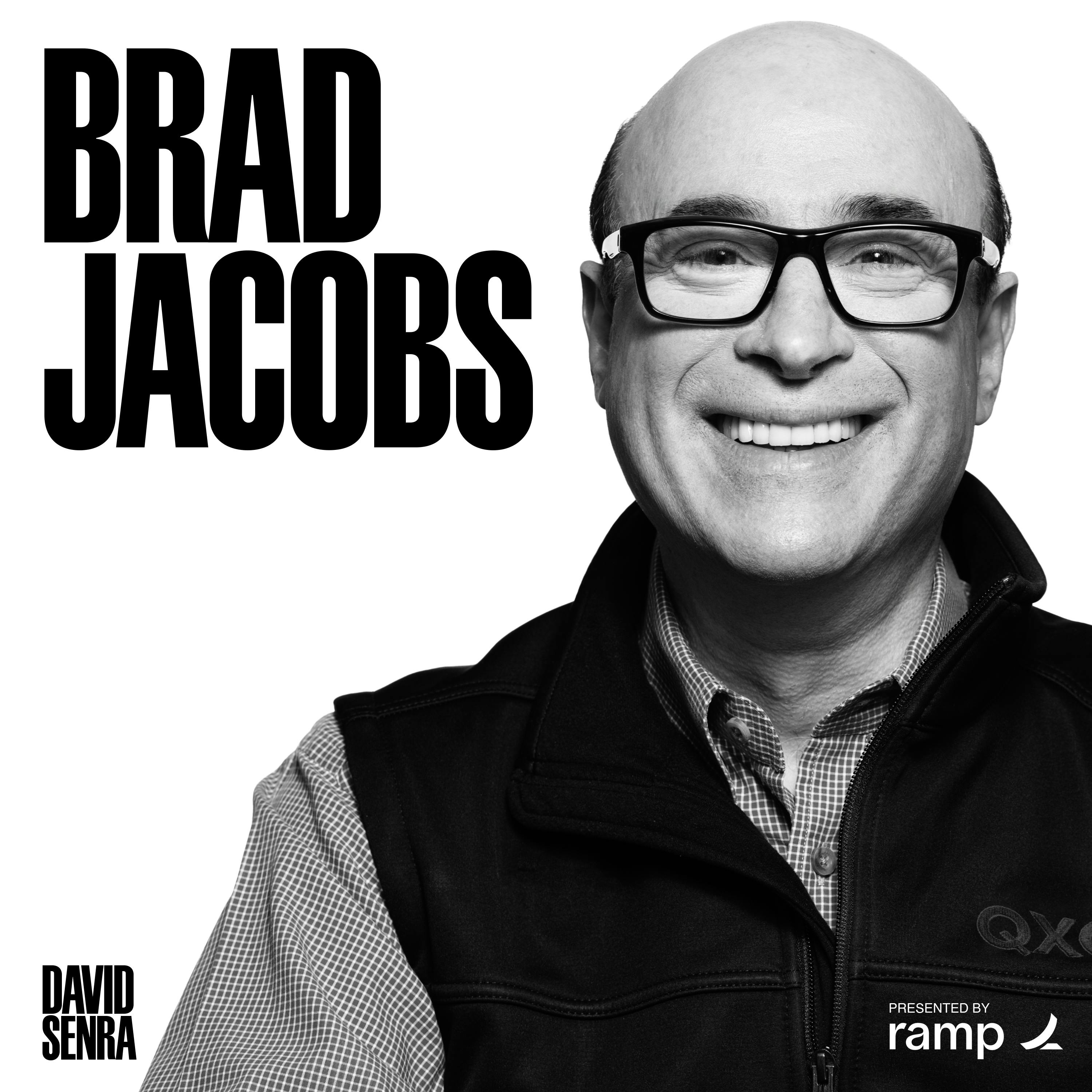
Unlike many founders who guard their equity, Brad Jacobs intentionally uses share issuance to fund value-accretive acquisitions. He has stated he's willing to go from 90% ownership to 10% if the resulting company's value makes his smaller stake worth more in absolute terms.
Related Insights
Chieh Huang advises that consumer brands often face a binary outcome: become a huge business or fail completely. Therefore, founders shouldn't obsess over dilution from raising capital if it's the necessary fuel to unlock massive growth and avoid a $0 outcome.

After seeing his first company's value explode post-acquisition, this founder now prioritizes partial exits (recaps with equity roll) over all-cash deals. This strategy allows him to de-risk while retaining significant upside for future growth, a stark lesson from his first exit.

When an experienced founder starts a new venture based on their own vision, the equity split doesn't need to be 50/50. By framing it as 'my deal,' the primary founder can retain a supermajority (e.g., 80%) while giving a technical co-founder a smaller but still meaningful stake.
Demonstrating extreme conviction, CEO Brad Jacobs invested $1 billion of his own capital into QXO through Jacobs Private Equity. This sum represents a high-single-digit percentage of his estimated $15.7 billion net worth, creating powerful alignment with fellow shareholders.
As a CEO with no personal shares, Sam Altman is unconcerned with dilution at OpenAI. This unique position frees him to authorize massive, dilutive stock-based compensation packages and raise vast amounts of capital, prioritizing winning the AI race above all else, without the typical founder's financial constraints.

The founder negotiated performance-based "kickers" into his growth equity deal. If the company achieves specific return multiples for investors (e.g., 2.5x, 3x), he personally gets equity points back. This advanced tactic aligns incentives and allows a founder to reclaim dilution by delivering exceptional outcomes.
Founder-CEO Andy Florence owns less than 1% of CoStar after 37 years. This is not from selling shares but from a history of issuing new equity at high valuations to fund strategic acquisitions—a dilutive process that ultimately created significant long-term shareholder value.

Beyond capital access, being a public company offers constant, free marketing. The visibility from quarterly earnings reports, analyst coverage, and media attention can attract acquisition targets, investors, and top talent who might not otherwise have been aware of the company.

Serial acquirer Brad Jacobs boils down his complex business strategy to two core objectives: growing organic revenue faster than the market and continuously expanding profit margins. Every decision is evaluated against its ability to move one of these two levers, providing a clear and powerful framework for creating shareholder value.
Financing discussions should carry the same strategic weight as M&A talks. Philip Ross argues the cost of capital from selling stock is often theoretically higher than from selling the entire company. This reframes the decision to dilute ownership for funding as a pivotal choice that boards and management teams should not take lightly.