Get your free personalized podcast brief
We scan new podcasts and send you the top 5 insights daily.
By mandating a detailed pre-read memo, Amazon fundamentally changes a meeting's purpose. It eliminates the need for information transfer during the meeting itself. This ensures the entire session is dedicated to high-level debate, questioning, and decision-making among fully briefed participants.

Related Insights
The common failure of "pre-read" meetings is that attendees don't do the reading. Atlassian, like Amazon, solves this by starting decision-making meetings with a dedicated, silent period where everyone reads the context document together. This guarantees shared context and makes the subsequent discussion far more effective.
Some Amazon meetings begin with silent, independent reading of a preparatory memo. After reading and adding notes, participants who have no further contribution are encouraged to leave. This respects individuals' time and ensures that only those essential for the synchronous discussion remain.
Complex documents like evaluation strategies are rarely read beforehand. To ensure alignment, adopt the Amazon practice of dedicating the first 15-20 minutes of a kickoff meeting to silent, focused reading. This forces engagement and leads to a more informed and productive discussion.
Amazon rejected PowerPoint because reading is 7-8 times faster than listening. Meetings begin with 20 minutes of silent reading of a well-structured document. This ensures everyone has the same deep context, forces presenters to clarify their thinking, and leaves more time for high-quality discussion and decision-making.

An effective meeting has three parts: 1) "Navy SEAL" for strict accountability against goals, 2) "Suspense Thriller" for debating a strategic topic with an unknown outcome (using a pre-read memo), and 3) "Pep Rally" for authentically celebrating wins to boost morale.

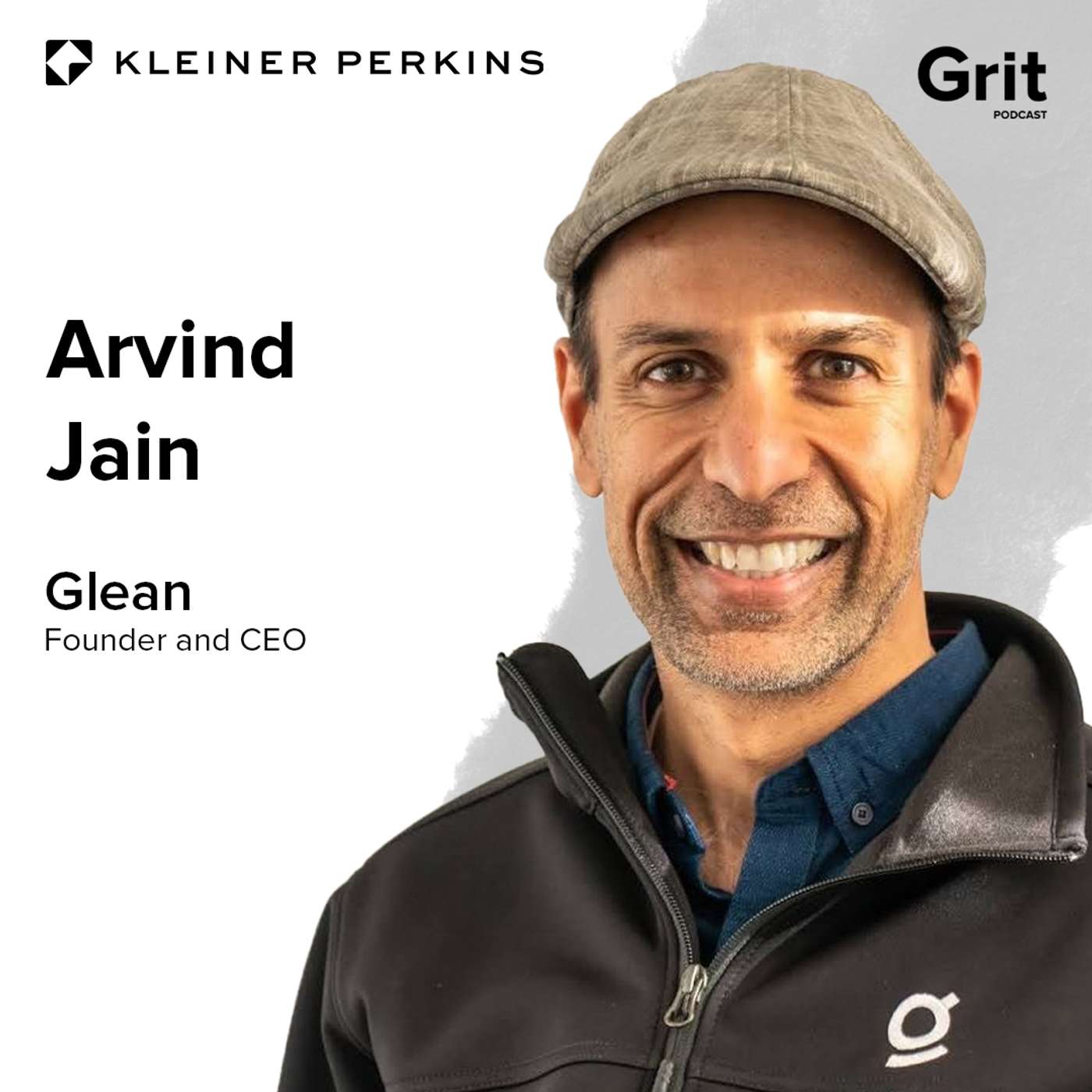
Arvind Jain insists on receiving written thoughts before discussions. It's partly for his own processing style (he absorbs information better by reading). More importantly, he believes the act of writing is the most effective way for anyone to structure their thoughts coherently and make better strategic decisions.
Instead of presenting information that can be read in an email, a successful founder sent updates beforehand. This freed up meeting time for strategic discussions on product, capital, and hiring, which accelerated the company's growth.

Adopt the private equity board meeting model: circulate a detailed brief a week in advance. This forces attendees to consume updates asynchronously. The meeting itself can then be dedicated entirely to debating critical, forward-looking decisions instead of wasting time on status reports.

Instead of using meetings for context-setting, Loom’s team sends a required 'pre-watch' video walkthrough of the strategy. This forces stakeholders to arrive with full context, allowing the live meeting to be shorter and entirely focused on critique, asking clarifying questions, and making decisions.

To get the best answers, send out questions before a meeting and have attendees write down their thoughts. This accommodates people who aren't skilled at thinking on the spot, leading to more insightful discussions than spontaneous brainstorming. One person collates the pre-work to guide the meeting.
