Get your free personalized podcast brief
We scan new podcasts and send you the top 5 insights daily.
An effective meeting has three parts: 1) "Navy SEAL" for strict accountability against goals, 2) "Suspense Thriller" for debating a strategic topic with an unknown outcome (using a pre-read memo), and 3) "Pep Rally" for authentically celebrating wins to boost morale.

Related Insights
The common failure of "pre-read" meetings is that attendees don't do the reading. Atlassian, like Amazon, solves this by starting decision-making meetings with a dedicated, silent period where everyone reads the context document together. This guarantees shared context and makes the subsequent discussion far more effective.
To maximize the value of bringing teams together physically, focus on one of three goals. "Doing" involves collaborative work on a key project. "Learning" focuses on gaining business context. "Planning" aligns the team on strategy and roadmaps. This framework ensures gatherings are purposeful and effective.
A successful team launch requires three distinct actions: 1) establishing a vivid, imaginable goal (like JFK's "man on the moon"), 2) setting explicit norms for communication channels and response times, and 3) clarifying each member's individual responsibilities before the next meeting.
Instead of open-ended agenda items like "let's do intros," propose specific time frames, such as "Let me give you 90 seconds on me, you can give me 90 seconds on you." This small framing tactic establishes you as a professional who respects time, prevents conversations from meandering, and maintains control of the meeting's flow.

To move beyond static playbooks, treat your team's ways of working (e.g., meetings, frameworks) as a product. Define the problem they solve, for whom, and what success looks like. This approach allows for public reflection and iterative improvement based on whether the process is achieving its goal.

Leaders often assume goal alignment. A simple exercise is to ask each team member to articulate the project's goal in their own words. The resulting variety in answers immediately highlights where alignment is needed before work begins, preventing wasted effort on divergent paths.
Adopt the private equity board meeting model: circulate a detailed brief a week in advance. This forces attendees to consume updates asynchronously. The meeting itself can then be dedicated entirely to debating critical, forward-looking decisions instead of wasting time on status reports.

Instead of using meetings for context-setting, Loom’s team sends a required 'pre-watch' video walkthrough of the strategy. This forces stakeholders to arrive with full context, allowing the live meeting to be shorter and entirely focused on critique, asking clarifying questions, and making decisions.

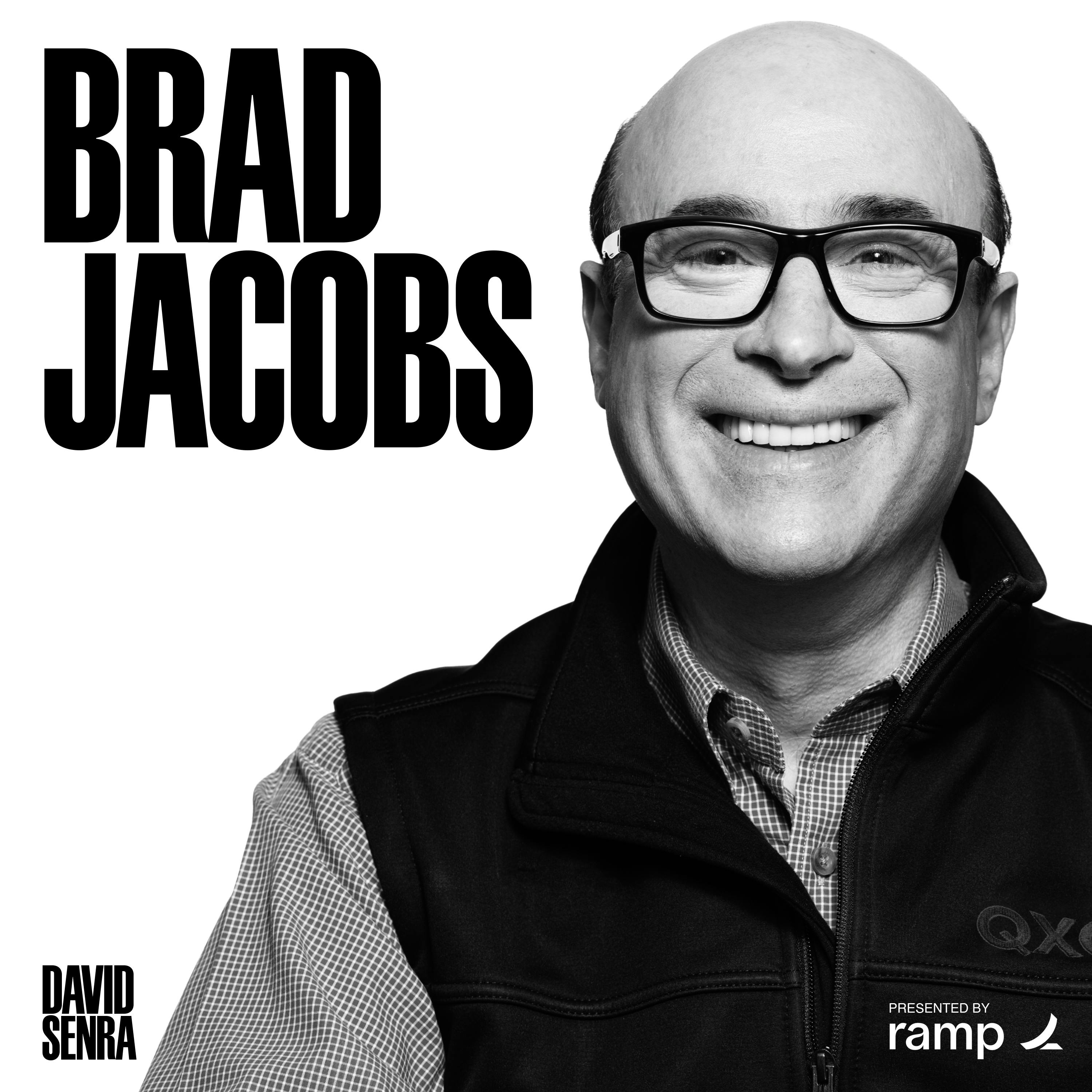
Instead of a top-down agenda, Brad Jacobs has his leadership team collaboratively create it for key meetings. Attendees submit and rank questions based on pre-read materials. Only the highest-rated topics make the final agenda. This bottom-up approach ensures the meeting focuses on what the team collectively deems most critical.
The Waterline Model suggests 80% of team dysfunctions are rooted in structural problems (unclear goals, roles), not interpersonal issues. Before you 'scuba dive' into individual conflicts, 'snorkel' at the surface by clarifying roles and expectations. This simple act solves the majority of problems.