Get your free personalized podcast brief
We scan new podcasts and send you the top 5 insights daily.
Adopt the private equity board meeting model: circulate a detailed brief a week in advance. This forces attendees to consume updates asynchronously. The meeting itself can then be dedicated entirely to debating critical, forward-looking decisions instead of wasting time on status reports.

Related Insights
The common failure of "pre-read" meetings is that attendees don't do the reading. Atlassian, like Amazon, solves this by starting decision-making meetings with a dedicated, silent period where everyone reads the context document together. This guarantees shared context and makes the subsequent discussion far more effective.
The first step to better meetings is asking "should we have this meeting at all?" By eliminating purely informational meetings, you prevent the formation of norms like disengagement and silence. This makes it more likely that when a collaborative meeting is necessary, team members will actively participate.
Status update meetings are a major productivity drain. Replace them with asynchronous videos (e.g., Loom). This method is more efficient, allowing people to consume updates on their own time. It also conveys more signal—tone, emphasis, and personality—than a written update, fostering better connection on distributed teams.
Shifting to an async-first culture where meetings are preceded by required video "pre-watches" is a significant change management effort. Success requires leadership to model the behavior and set a clear standard that attending a meeting unprepared is unacceptable, forcing people to manage their calendars for async work.

Instead of using meetings for context-setting, Loom’s team sends a required 'pre-watch' video walkthrough of the strategy. This forces stakeholders to arrive with full context, allowing the live meeting to be shorter and entirely focused on critique, asking clarifying questions, and making decisions.
Instead of a top-down agenda, Brad Jacobs has his leadership team collaboratively create it for key meetings. Attendees submit and rank questions based on pre-read materials. Only the highest-rated topics make the final agenda. This bottom-up approach ensures the meeting focuses on what the team collectively deems most critical.
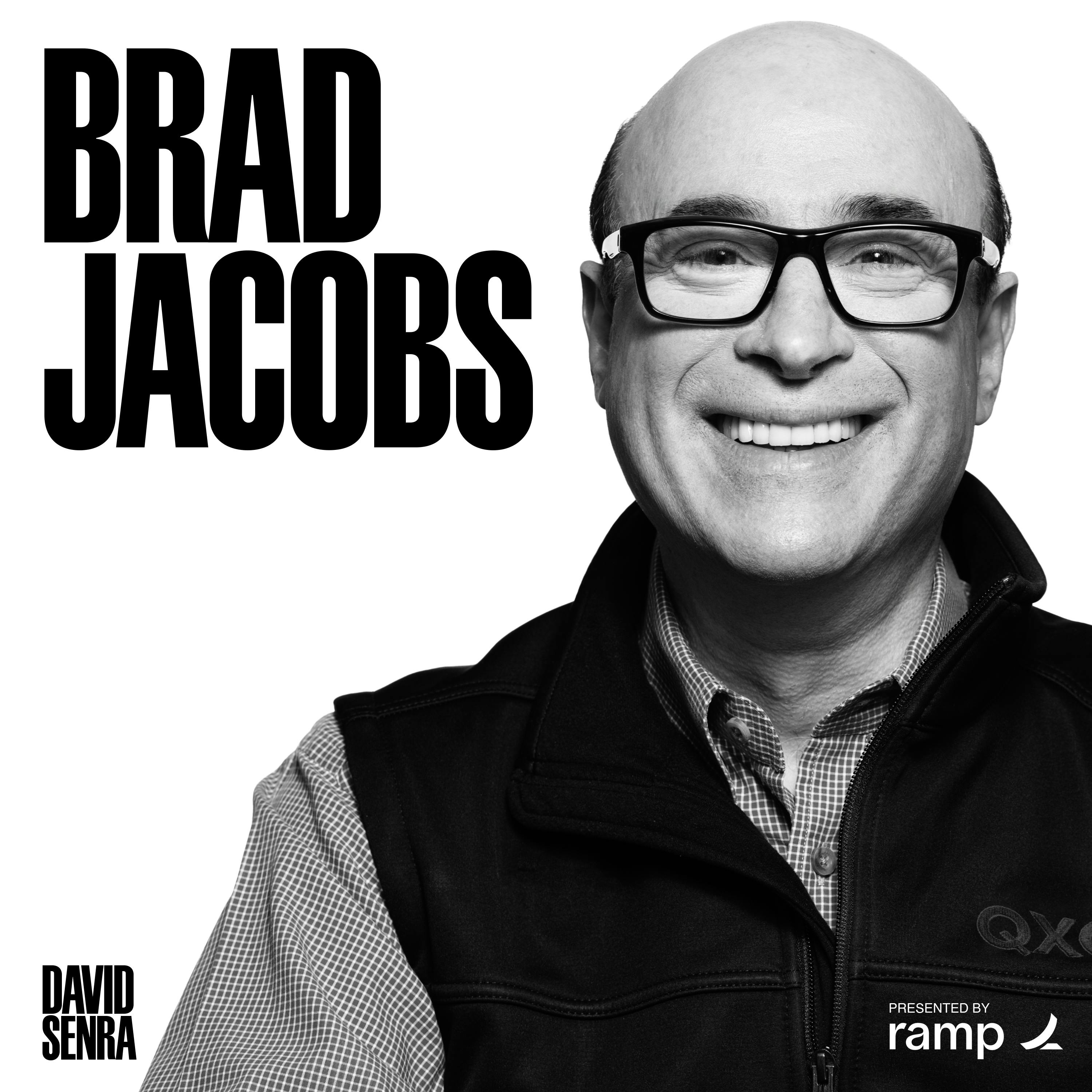
Despite working for a meeting-centric company, the guest's key to success is asynchronous collaboration. Using tools for high-bandwidth video and audio messages allows his remote, multi-time-zone team to collaborate effectively on complex topics without needing to schedule a live meeting for every interaction.