Get your free personalized podcast brief
We scan new podcasts and send you the top 5 insights daily.
Some Amazon meetings begin with silent, independent reading of a preparatory memo. After reading and adding notes, participants who have no further contribution are encouraged to leave. This respects individuals' time and ensures that only those essential for the synchronous discussion remain.
Related Insights
The common failure of "pre-read" meetings is that attendees don't do the reading. Atlassian, like Amazon, solves this by starting decision-making meetings with a dedicated, silent period where everyone reads the context document together. This guarantees shared context and makes the subsequent discussion far more effective.
Instead of open-ended agenda items like "let's do intros," propose specific time frames, such as "Let me give you 90 seconds on me, you can give me 90 seconds on you." This small framing tactic establishes you as a professional who respects time, prevents conversations from meandering, and maintains control of the meeting's flow.

An effective meeting has three parts: 1) "Navy SEAL" for strict accountability against goals, 2) "Suspense Thriller" for debating a strategic topic with an unknown outcome (using a pre-read memo), and 3) "Pep Rally" for authentically celebrating wins to boost morale.

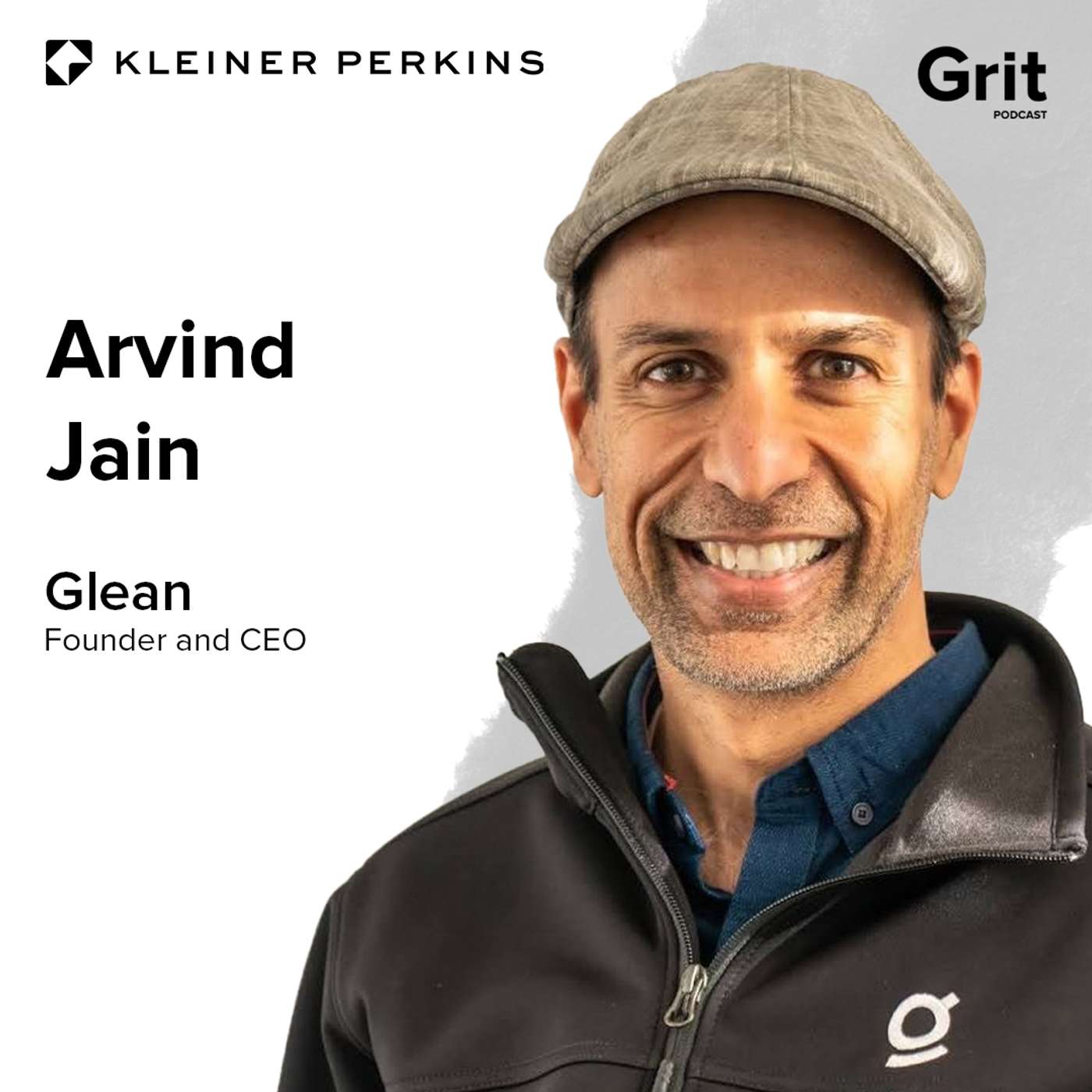
Arvind Jain insists on receiving written thoughts before discussions. It's partly for his own processing style (he absorbs information better by reading). More importantly, he believes the act of writing is the most effective way for anyone to structure their thoughts coherently and make better strategic decisions.
To ensure introverts' ideas are heard, Zappi starts meetings silently, with participants writing and voting on ideas before discussion. This technique counteracts the tendency for the loudest voices to drive decisions, leading to more thoughtful and inclusive outcomes from the entire team.

Shifting to an async-first culture where meetings are preceded by required video "pre-watches" is a significant change management effort. Success requires leadership to model the behavior and set a clear standard that attending a meeting unprepared is unacceptable, forcing people to manage their calendars for async work.

Adopt the private equity board meeting model: circulate a detailed brief a week in advance. This forces attendees to consume updates asynchronously. The meeting itself can then be dedicated entirely to debating critical, forward-looking decisions instead of wasting time on status reports.

Instead of using meetings for context-setting, Loom’s team sends a required 'pre-watch' video walkthrough of the strategy. This forces stakeholders to arrive with full context, allowing the live meeting to be shorter and entirely focused on critique, asking clarifying questions, and making decisions.
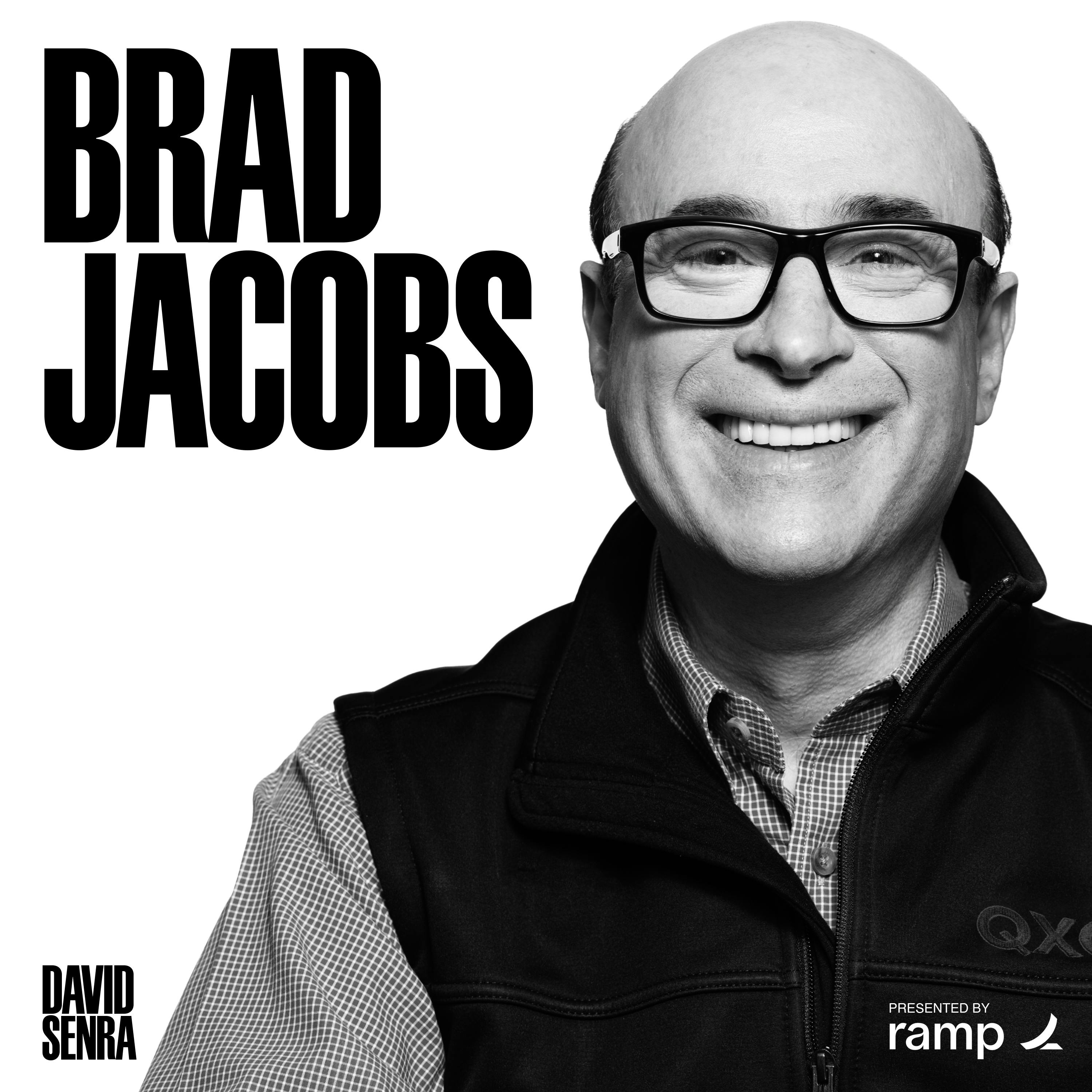
Instead of a top-down agenda, Brad Jacobs has his leadership team collaboratively create it for key meetings. Attendees submit and rank questions based on pre-read materials. Only the highest-rated topics make the final agenda. This bottom-up approach ensures the meeting focuses on what the team collectively deems most critical.
To maximize contributions from introverted participants like engineers or scientists, provide a detailed pre-work packet with industry examples. This allows them to think deeply beforehand, arriving with dozens of well-formed ideas and making the session more productive from the start.
