Get your free personalized podcast brief
We scan new podcasts and send you the top 5 insights daily.
For heavy, low-margin products like jarred sauce, a direct-to-consumer model is often unsustainable due to shipping costs. Its strategic value is to build an initial customer base and gather sales data to prove demand to large retailers, de-risking their decision to stock the product.

Related Insights
The long-term strategy for brands you carry is to go direct-to-consumer, cutting you out. The only sustainable defense for a retailer is to build its own brand equity by creating and marketing its own private-label products, transitioning from a utility to a destination brand.

Despite beverages being a category people rarely buy online, Breeze generated tens of millions in DTC sales. This built a huge base of customers who preferred to buy in-store, creating a powerful demand flywheel. When Breeze launched in retail, it sold four months of inventory in two weeks.

To land a large retail contract (e.g., Whole Foods), a brand must prove it can produce at scale. However, investing in scaling operations is a massive financial risk without a guaranteed contract, creating a critical strategic impasse for growing brands.
For a low-cost, high-volume product like a straw, securing B2B contracts (e.g., one hotel buying 100,000 units) provided a more stable financial foundation than pursuing individual D2C sales. This volume-first approach was critical before expanding into direct-to-consumer channels.
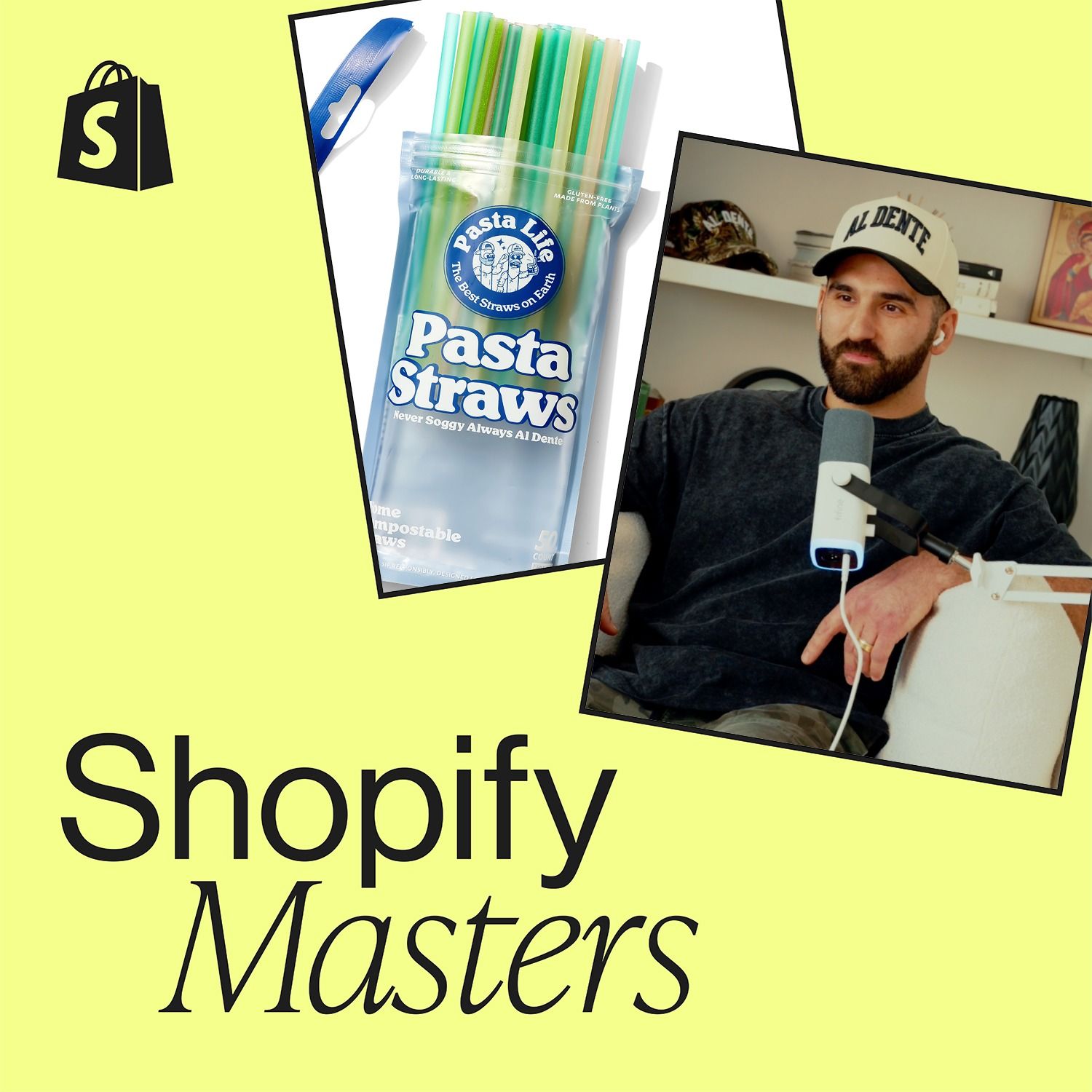
Before launching, assess a product's viability by the sheer number of potential distribution points. Manufacturing and logistics are solvable problems if the market access is vast. This reverses the typical product-first approach by prioritizing market penetration from day one.

Malk, a retail-focused brand, built a Shopify site not for direct sales but to control messaging, connect with consumers, and gather data. Their site uses technology allowing users to add products to a local retailer's online cart. This creates a valuable, albeit incomplete, data point on purchase intent for a channel that traditionally offers none.
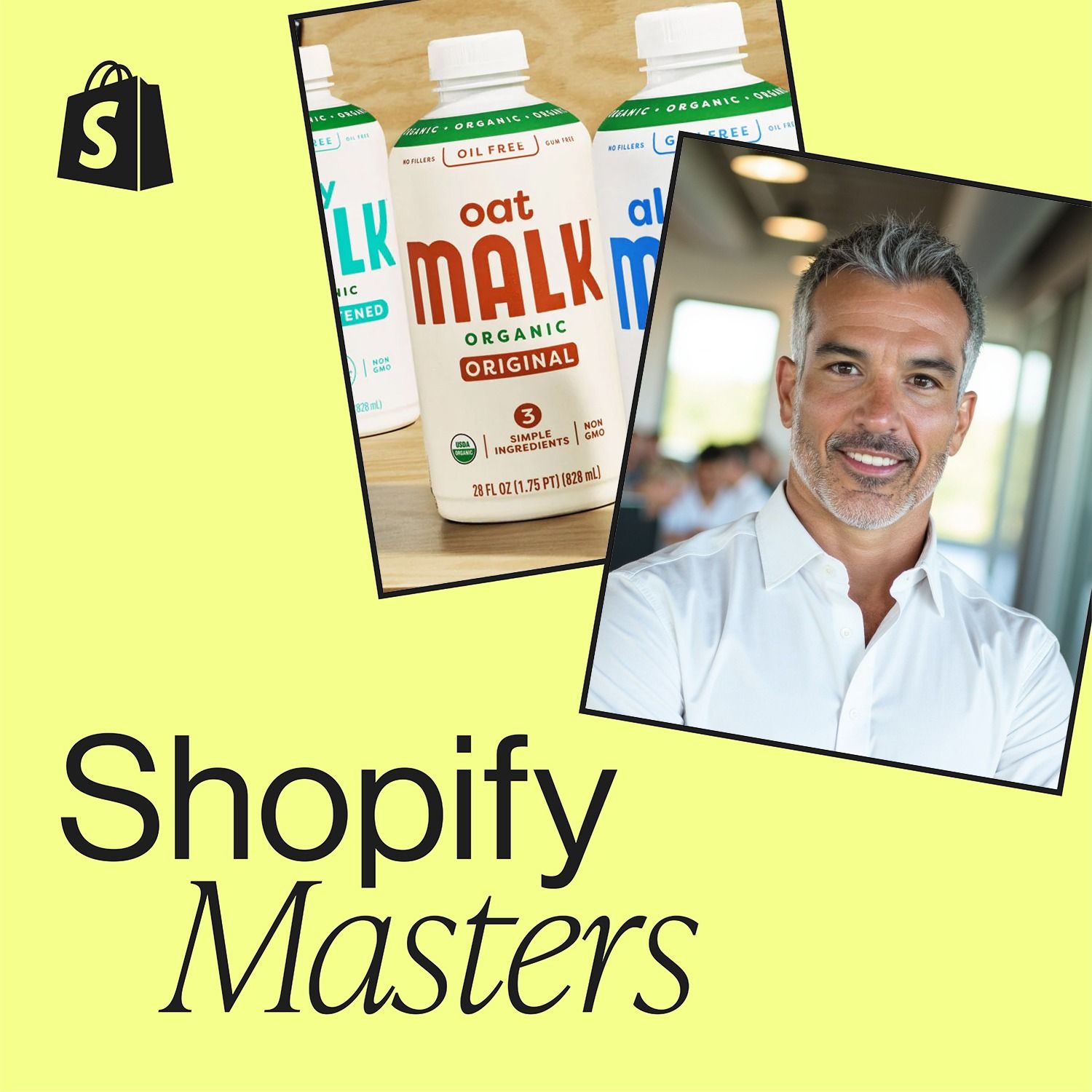
Emerging brands often view landing a major retailer as the ultimate goal. In reality, it's the start of a more complex phase involving distribution logistics, trade requirements, and performance pressure. Success depends on staying on the shelf, not just getting there.

To get into a major retailer, don't just prove your product sells. Show buyers data that you bring new customers to their category, growing the entire market rather than just cannibalizing sales from existing brands on the shelf.
For CPG brands, a physical retail presence, even with lower margins, should be viewed as a customer acquisition strategy. It provides crucial visibility and trial, driving customers to your higher-margin direct-to-consumer website for subsequent purchases and retention.
An unconventional distribution model, like in-person park drops, is a strategic tool for early founders. It creates a rare opportunity for direct, face-to-face feedback on product and purchasing motivation before scaling into retail channels where that intimate customer connection is lost.