Get your free personalized podcast brief
We scan new podcasts and send you the top 5 insights daily.
For founders on Klarna's board, the biggest warning sign from legendary investor Michael Moritz isn't getting yelled at; it's seeing him become disengaged. This quiet signal of disappointment is a more potent and frightening indicator of trouble than an outright confrontation.
Related Insights
A venture capitalist's career security directly impacts the founder relationship. VCs with a proven track record (like Sequoia's Andrew Reed) act as supportive partners. In contrast, junior or less successful VCs often transfer pressure from their own partnerships onto the founder, creating a stressful and counterproductive dynamic.
In today's founder-centric climate, many VCs avoid confrontation to protect their reputation (NPS) within the founder network. This fear of being blacklisted leads them to abdicate their fiduciary duty to shareholders, failing to intervene even when a company's performance is dire and hard decisions are needed.
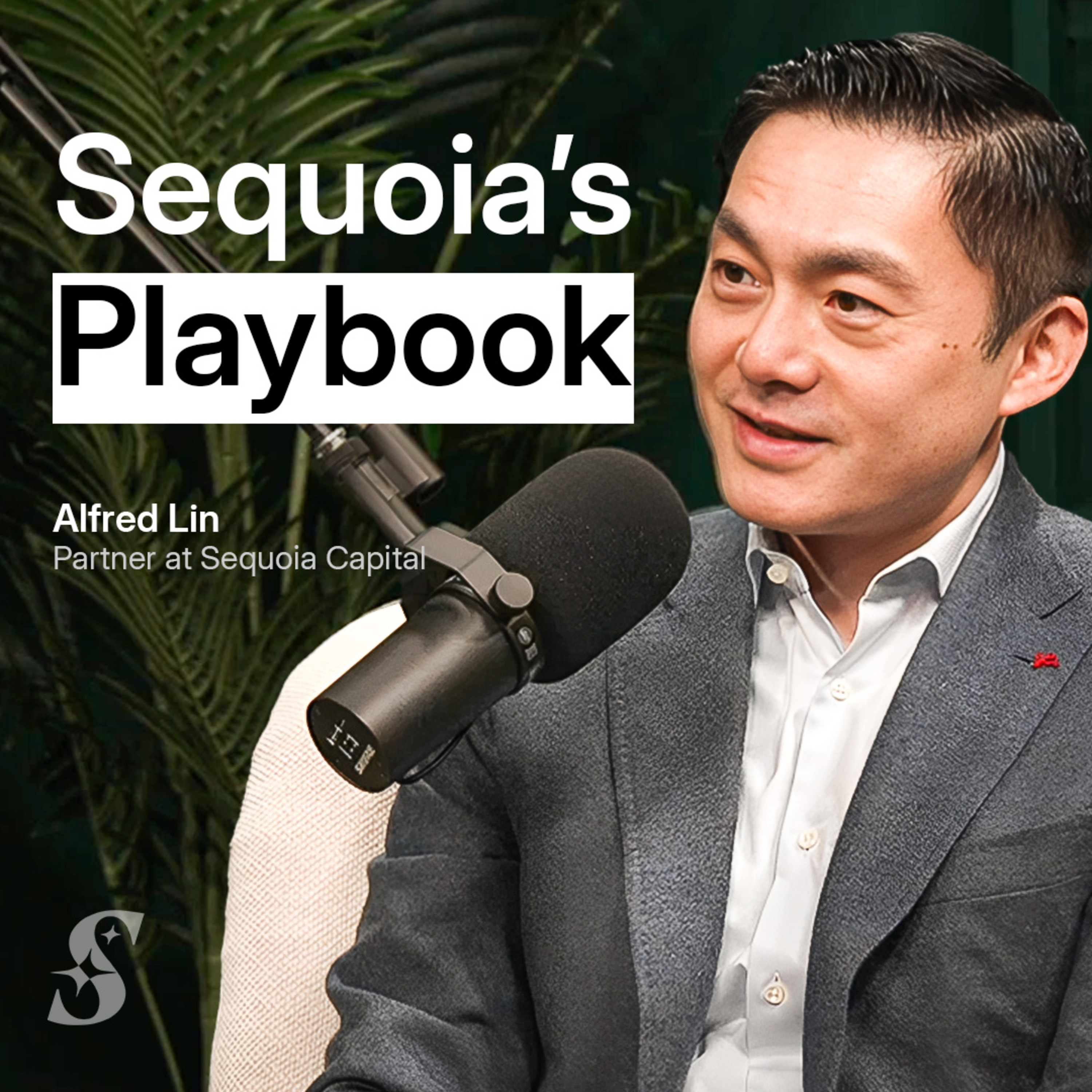
Alfred Lin's framework for board members is to be supportive 'shock absorbers' during hardships, helping founders pick up the pieces. When the company is succeeding, they become 'sparring partners' to challenge founders, prevent complacency, and push the business to the next level.
The leadership change at Sequoia, arguably the world's top venture firm, is a strong indicator of the intense pressure the entire VC industry faces. It reflects a fear of falling behind in the AI race and the brutal reality that even the best are struggling to adapt to the new competitive landscape.

To predict the future health of a partnership, intentionally have difficult conversations before any investment is made. If you can't productively disagree or discuss serious problems before you're formally linked, it's highly unlikely you'll be able to do so when the stakes are higher post-investment.
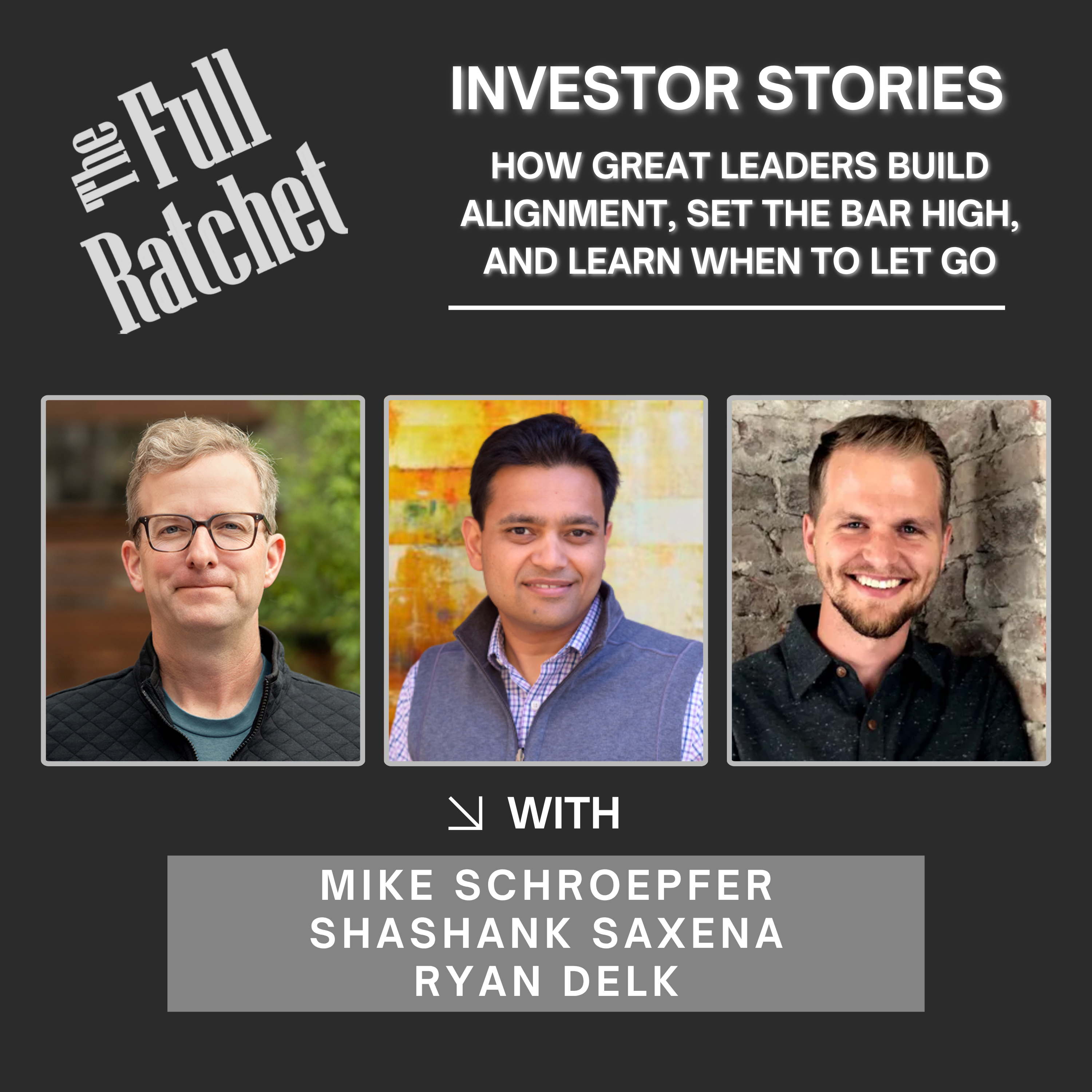
The pervasive trend of VCs being "founder-friendly" often manifests as "hypocritical politeness" that withholds crucial, direct feedback. This ultimately hurts the company. Strong founders don't select for niceness; they seek partners who provide brutally honest input to help them improve.
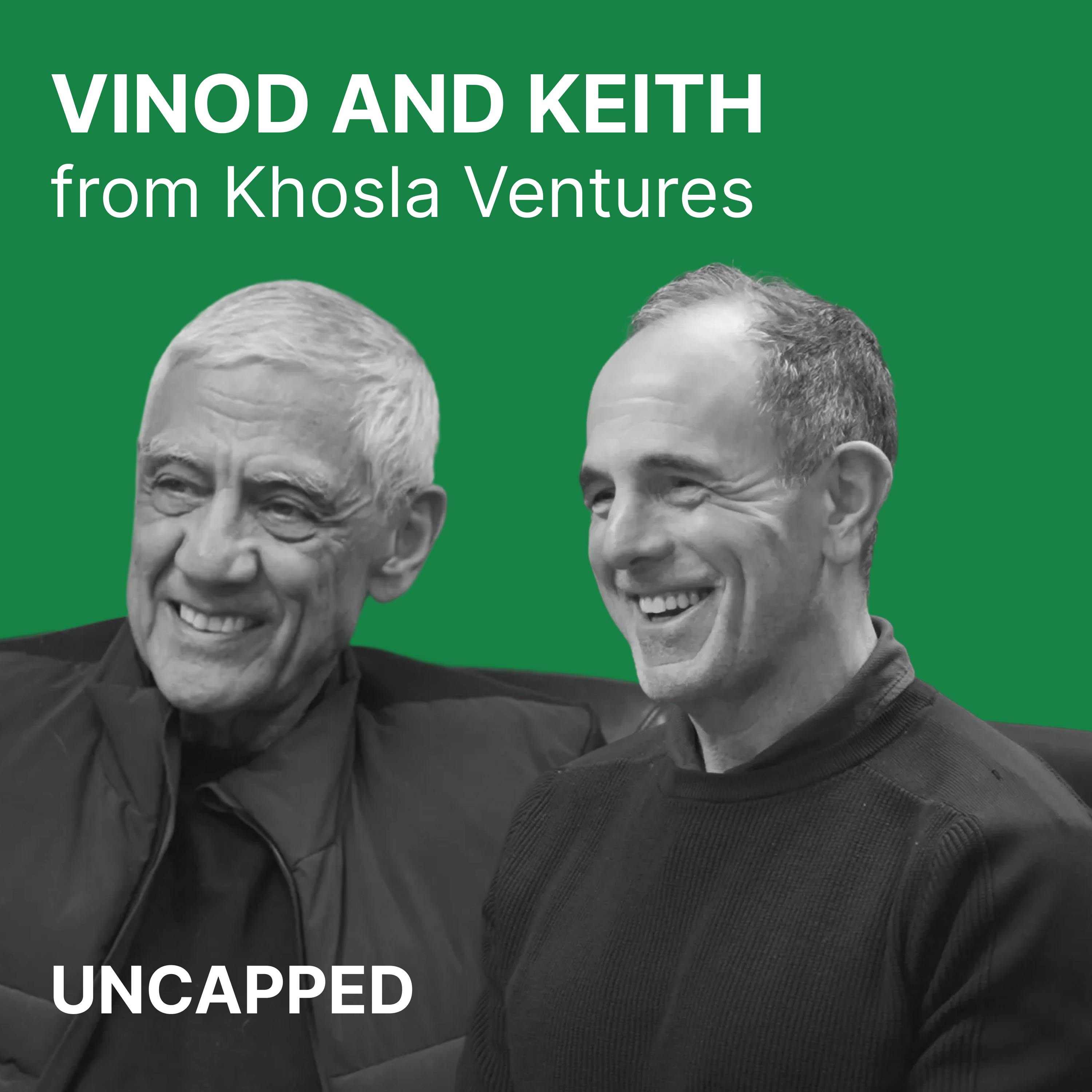
Calling its leader a "Steward" reveals Sequoia's evolution. The role is less about disruptive deal-making and more about managing a massive financial institution, akin to an endowment. This reframes a leader's short tenure not as a failure, but as a potentially undesirable management job for a classic VC.

Sequoia makes consensus investment decisions, viewing each deal as "our investment." This is only possible through a culture of high trust and "front stabbing"—brutally honest, direct debate about a deal's merits. This prevents passive aggression and ensures collective ownership.
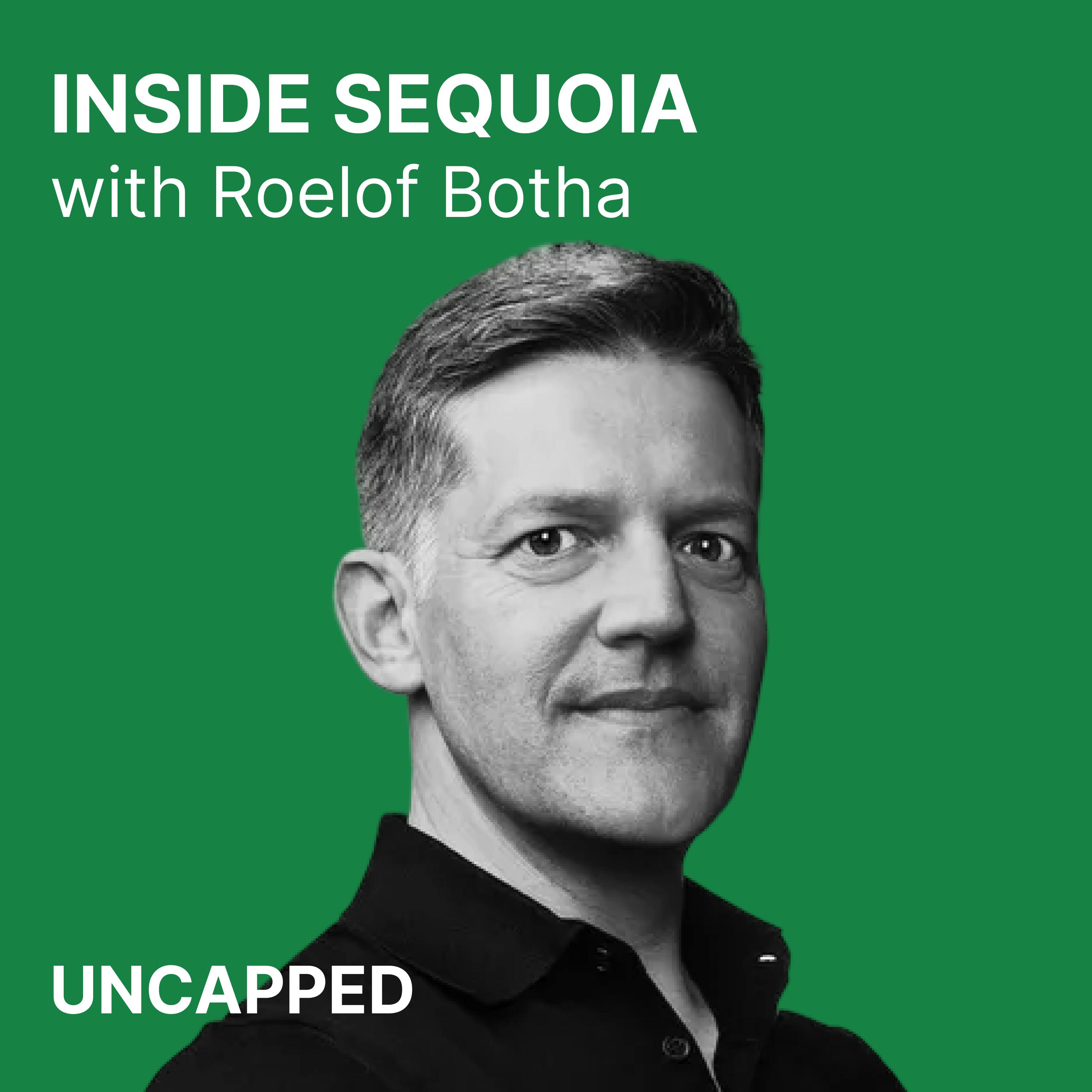
Proactively asking a potential investor how they navigate disagreements reveals their philosophy on board governance and CEO autonomy. Investor Alex Nihanky of Scale notes the CEO is the "runner" and the tie should go to them, but not all investors share this view. This question helps founders vet investor fit before a conflict arises.
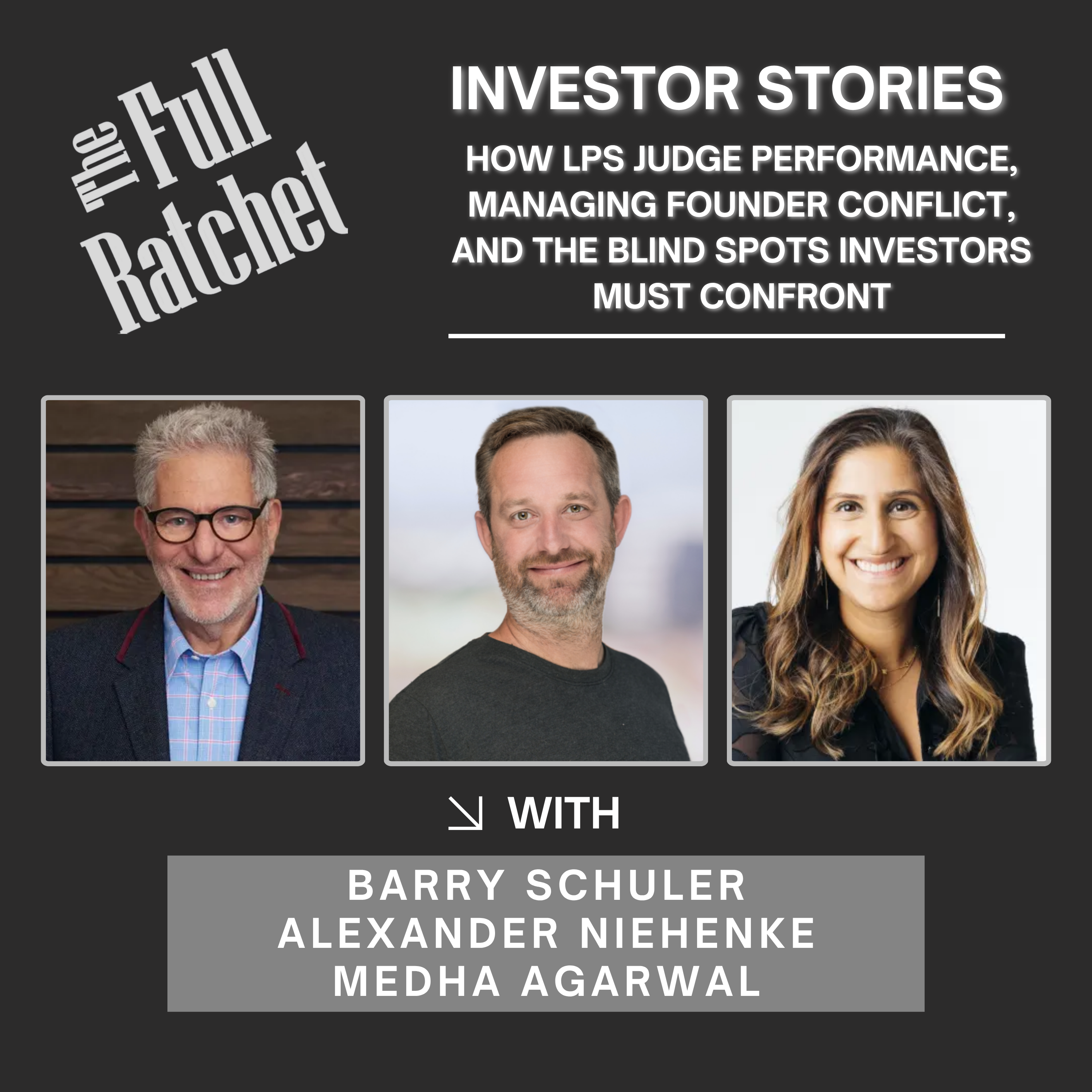
Sequoia's internal data shows consensus is irrelevant to investment success. A deal with strong advocates (voting '9') and strong detractors (voting '1') is preferable to one where everyone is mildly positive (a '6'). The presence of passionate conviction, even amid dissent, is the critical signal for pursuing outlier returns.
