Get your free personalized podcast brief
We scan new podcasts and send you the top 5 insights daily.
Dara Khosrowshahi believes large companies risk stagnation by enforcing a single culture, which pushes out dissenters. He actively looks for these "troublemakers," viewing them as beneficial "mutations." He believes these are the people who challenge the status quo and drive the adaptation necessary for long-term survival in a changing world.
![Dara Khosrowshahi - Uber's Bet on AVs, AI, and Building a Super-App - [Invest Like the Best, EP.476] thumbnail](https://megaphone.imgix.net/podcasts/ef669774-cccd-11ed-889b-c36caad6646f/image/158efdddfb983d2678b3530d484e8aa2.jpg?ixlib=rails-4.3.1&max-w=3000&max-h=3000&fit=crop&auto=format,compress)
Related Insights
To foster innovation, leaders should intentionally cultivate a distributed network of "rebels." These individuals are empowered to question norms across disparate functions like hardware and marketing, ensuring critical thinking is embedded throughout the organization, not siloed in specific departments.
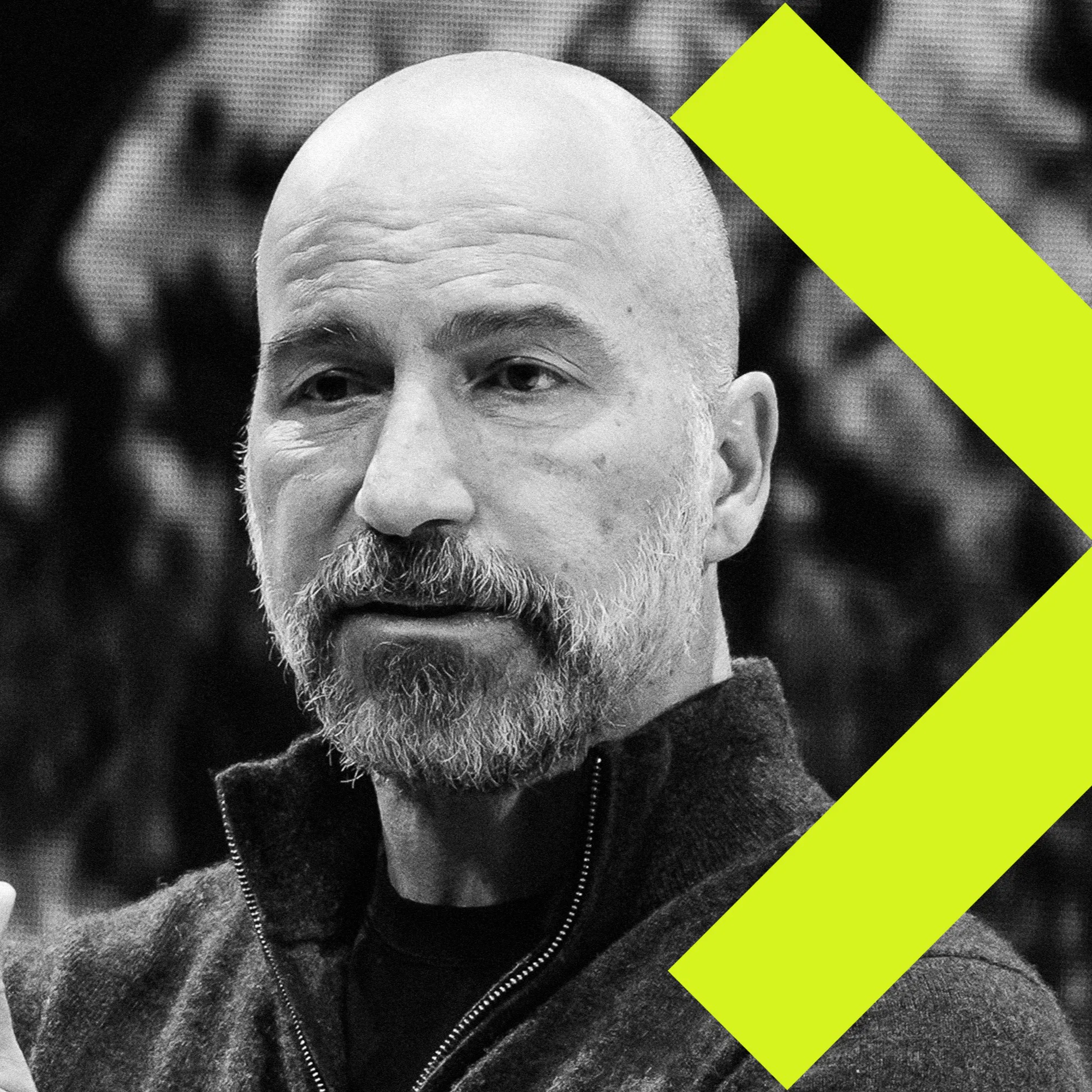
Dara Khosrowshahi challenges the common pattern of large companies becoming more conservative. He argues that as a company's resilience increases with scale and cash flow, its capacity to take bigger, innovation-driving risks grows, making larger mistakes more survivable.
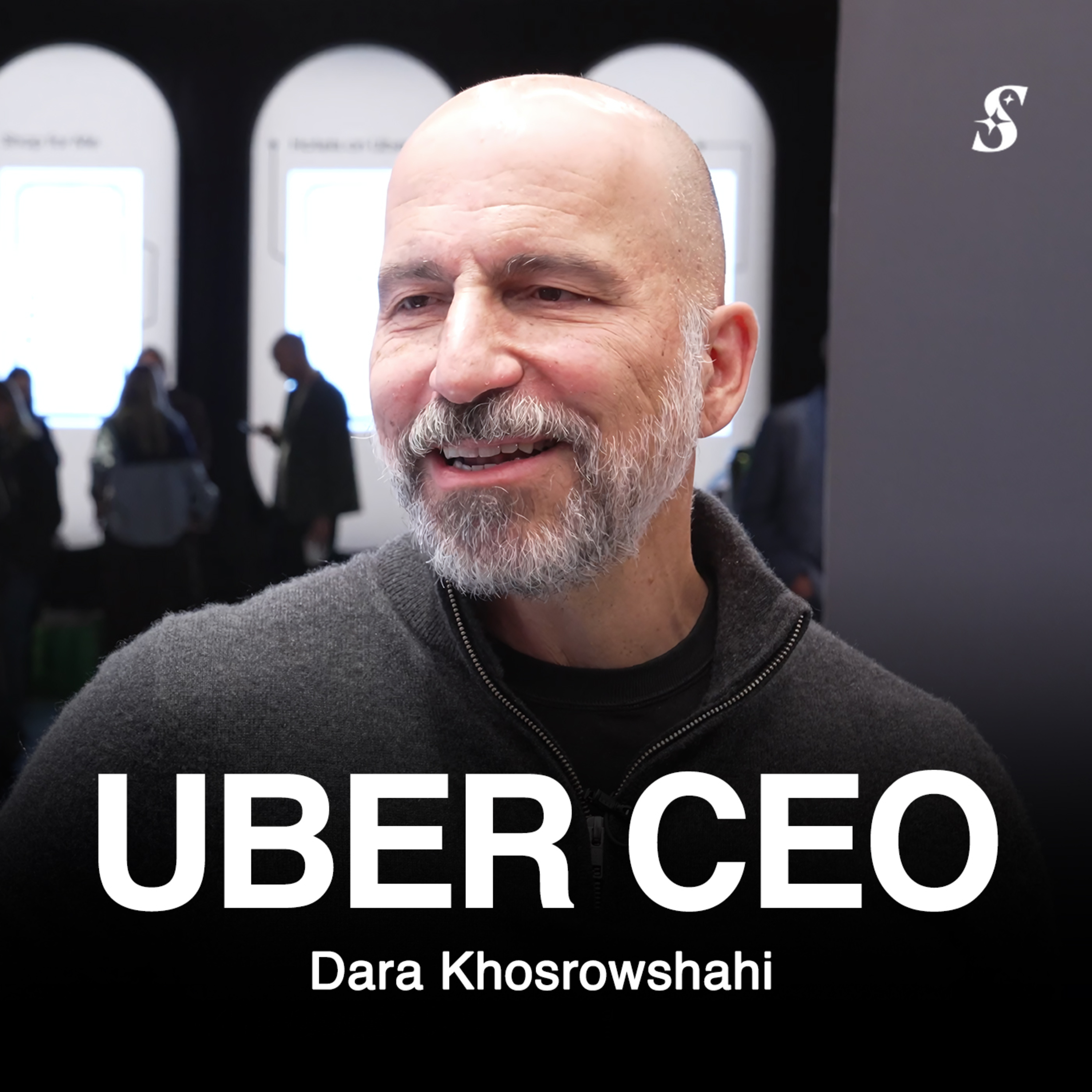
Uber maintains a startup-like "builder" culture, emphasizing speed and risk tolerance even at scale. CEO Dara Khosrowshahi states their growth comes from rapidly building new products, not acquisitions, and accepts that some products will fail as a necessary byproduct of innovation.
The CEO of AT&T, a 40-year veteran, argues that an insider who understands the company's DNA can be more effective at evolving its culture than an external disruptor. This challenges the common belief that transformational change requires bringing in a complete outsider.

Citing a George Bernard Shaw quote, Atlassian's CEO explains that progress is driven by "unreasonable" individuals who challenge existing systems rather than accepting them. This mindset is essential for innovation, even if it sometimes leads to trouble.
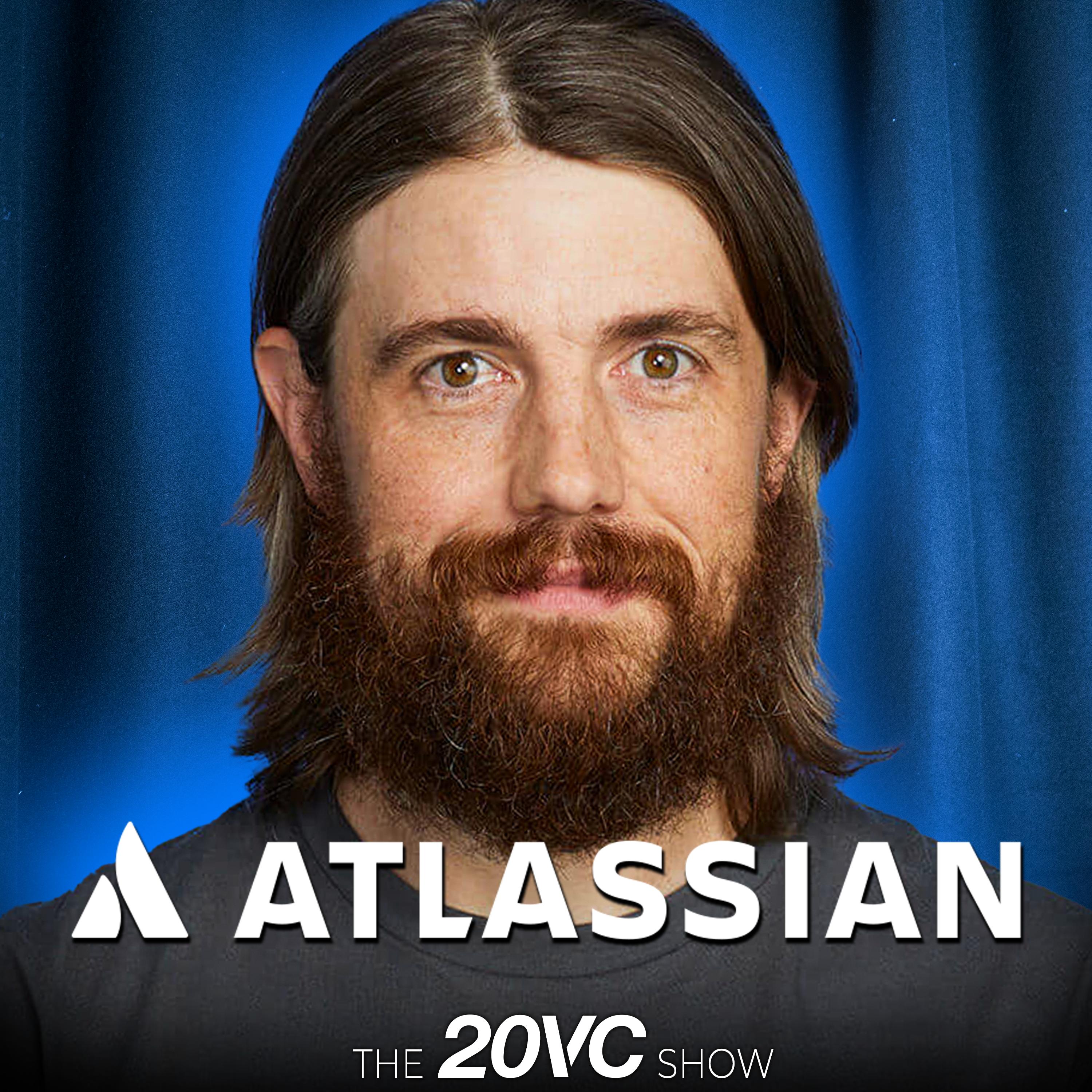
The company's leadership philosophy, borrowed from Palantir, is to hire highly opinionated and sometimes difficult talent. While this feels chaotic, these individuals are essential for innovation and adaptation, unlike talent that merely optimizes existing, stable systems.
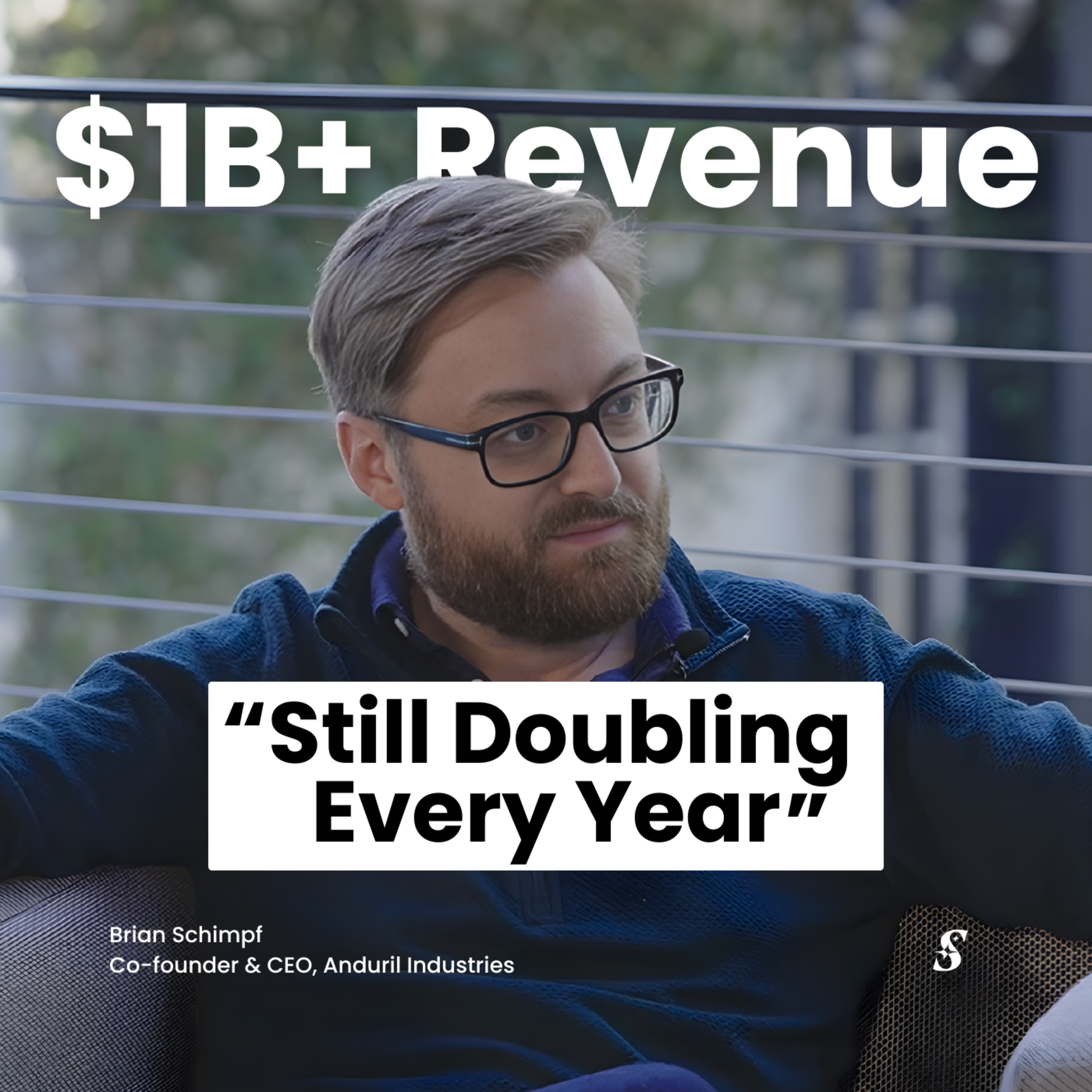
The common practice of hiring for "culture fit" creates homogenous teams that stifle creativity and produce the same results. To innovate, actively recruit people who challenge the status quo and think differently. A "culture mismatch" introduces the friction necessary for breakthrough ideas.

To avoid the filtered information that often reaches the C-suite, Dara Khosrowshahi deliberately bypasses management layers. He holds "no decks" jam sessions with engineers and product managers 2-4 levels down, speaking candidly to encourage honest feedback and get a real understanding of the company's challenges.
The most valuable creative talent is often the most difficult to manage. Forcing everyone into a mold of the 'good corporate citizen' engineers mediocrity. A key leadership skill is managing peculiar, non-conformist individuals who drive disproportionate value.

Dara Khosrowshahi manages Uber's position with a dual identity. Internally, he cultivates a startup culture where everyone feels like an underdog fighting for survival. Externally, with regulators and partners, the company acknowledges its scale and embraces the responsibilities that come with it.
