Get your free personalized podcast brief
We scan new podcasts and send you the top 5 insights daily.
The most valuable creative talent is often the most difficult to manage. Forcing everyone into a mold of the 'good corporate citizen' engineers mediocrity. A key leadership skill is managing peculiar, non-conformist individuals who drive disproportionate value.

Related Insights
Instead of forcing conformity, create an environment where diverse specialists—the "wildflowers"—can thrive. The leader's job is not to standardize but to cultivate a space where each person's unique genius can flourish and interact, leading to more interesting outcomes.
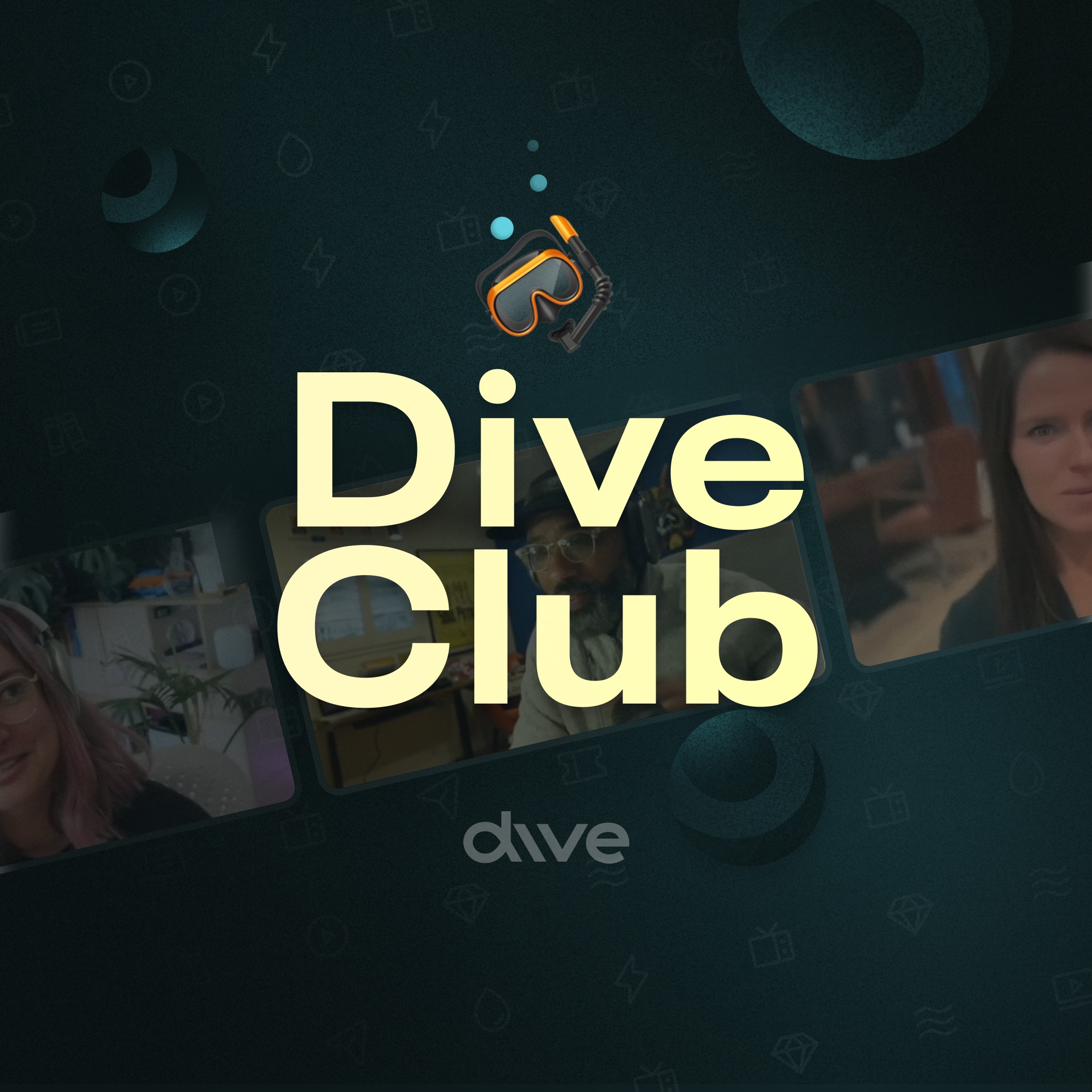
Rather than trying to become a well-rounded, traditional leader, Opendoor's CEO focuses on sharpening his unique "edges." He then surrounds himself with people who are "edgy" in complementary ways, creating a balanced team of focused experts rather than a bland group of generalists.
Reed Hastings’ initial management philosophy was to implement processes to prevent errors, like a factory. This backfired by systematically repelling the creative, rule-breaking individuals essential for innovation in the fast-moving tech industry.

To avoid stagnation, a business needs a leader with enough ownership to push an opinionated, semi-scary vision. This person acts as a necessary counterbalance to the natural inertia of a scaling company. According to Jason VandeBoom, without this "crazy" innovator, a business will inevitably stall in a rapidly changing market.

Using an LLM analogy, Daniel Ek seeks "high-temperature" people—individuals who might produce many bad ideas, but whose chaotic thinking also generates rare, brilliant insights. He prefers this variance to the reliable consistency of conformists, believing breakthroughs come from the fringe.

When a team has a gap in one of the six genius types, the one person who possesses that "minority genius" is crucial for balance. However, the team's natural tendency is to dismiss or "expel them like a virus" because their approach is different. Leaders must consciously cherish and protect these individuals.

The common practice of hiring for "culture fit" creates homogenous teams that stifle creativity and produce the same results. To innovate, actively recruit people who challenge the status quo and think differently. A "culture mismatch" introduces the friction necessary for breakthrough ideas.

Successful leaders often question conventions and consider that "everyone else might be wrong." Arbitrarily doing the opposite of established industry practices can unlock new ways of working and create a unique edge for your team.
At his first company, Hastings learned that treating software development like a manufacturing process with rules to reduce errors led to declining talent density. High-performers thrive in an environment of inspiration and creativity, not rigid processes that drive them out.
![Reed Hastings - Building Netflix - [Invest Like the Best, EP.453] thumbnail](https://megaphone.imgix.net/podcasts/2f1ecac4-e4ba-11f0-a8e8-777eb8de0c5a/image/28fb3c25b09448a35f17657a5e614900.jpg?ixlib=rails-4.3.1&max-w=3000&max-h=3000&fit=crop&auto=format,compress)
Corporate culture often incentivizes conformity. However, true growth requires being a 'growth rebel'—someone with big ideas who can mobilize the organization, even if it means challenging the status quo. In today's market, playing it safe is the biggest risk.
