Get your free personalized podcast brief
We scan new podcasts and send you the top 5 insights daily.
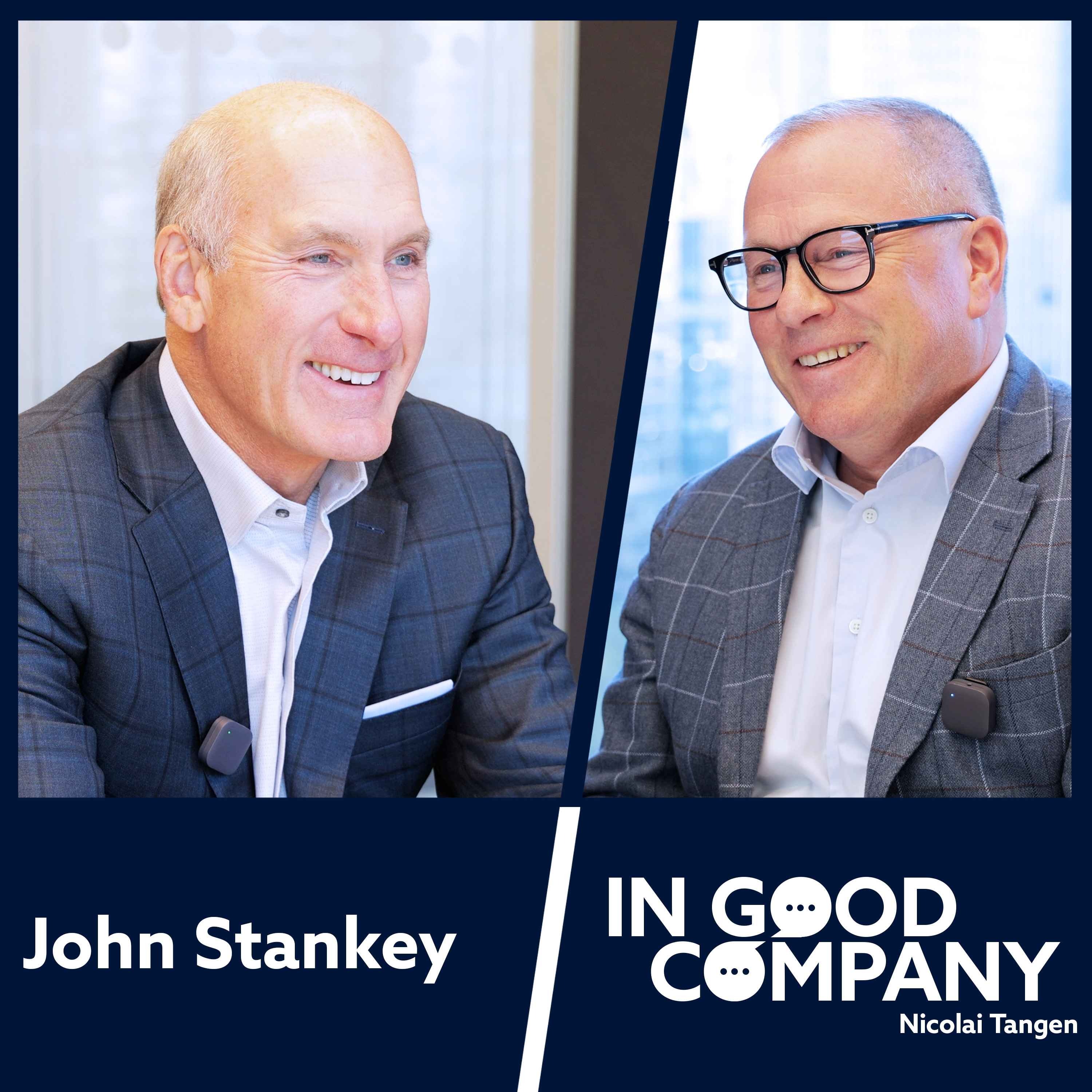
The CEO of AT&T, a 40-year veteran, argues that an insider who understands the company's DNA can be more effective at evolving its culture than an external disruptor. This challenges the common belief that transformational change requires bringing in a complete outsider.
Related Insights
When new leadership arrives, a long-serving executive's value lies in their deep institutional knowledge and cross-functional relationships. They can act as a crucial bridge, helping synthesize diverse perspectives to guide the new team's vision and ensure a smoother transition.

To drive transformation in a large organization, leaders must create a cultural movement rather than issuing top-down mandates. This involves creating a bold vision, empowering a community of 'changemakers,' and developing 'artifacts of change' like awards and new metrics to reinforce behaviors.

Hiring for "cultural fit" can lead to homogenous teams and groupthink. Instead, leaders should seek a "cultural complement"—candidates who align with core values but bring different perspectives and experiences, creating a richer and more innovative team alchemy.
Even with full board support, a successor CEO may lack the intrinsic 'moral authority' to make drastic 'burn the boats' decisions. This courage is harder to summon without the deep-seated capital a founder naturally possesses, making company-altering transformation more challenging for an outsider.

Instead of starting from a textbook, WCM developed its effective culture by identifying the negative traits of its original founder's regime—control, opacity, and stinginess—and deliberately doing the opposite. This 'inversion' method provides a powerful, practical template for cultural transformation.
![[REPLAY] Paul Black - Gratitude, Fun, and Growth Stocks (Capital Allocators, EP.51) thumbnail](https://static.libsyn.com/p/assets/f/b/7/6/fb76e1c8bfb69e8dd959afa2a1bf1c87/CA_Square_logo_light_background_6.26.24.jpg)
The most effective way to build strategic alignment is not top-down or bottom-up, but 'inside-out.' Engage middle managers (Directors, VPs) first, as they have crucial visibility into both executive strategy and the daily realities of their teams and customers, making them the strongest initial advocates for change.

The common practice of hiring for "culture fit" creates homogenous teams that stifle creativity and produce the same results. To innovate, actively recruit people who challenge the status quo and think differently. A "culture mismatch" introduces the friction necessary for breakthrough ideas.

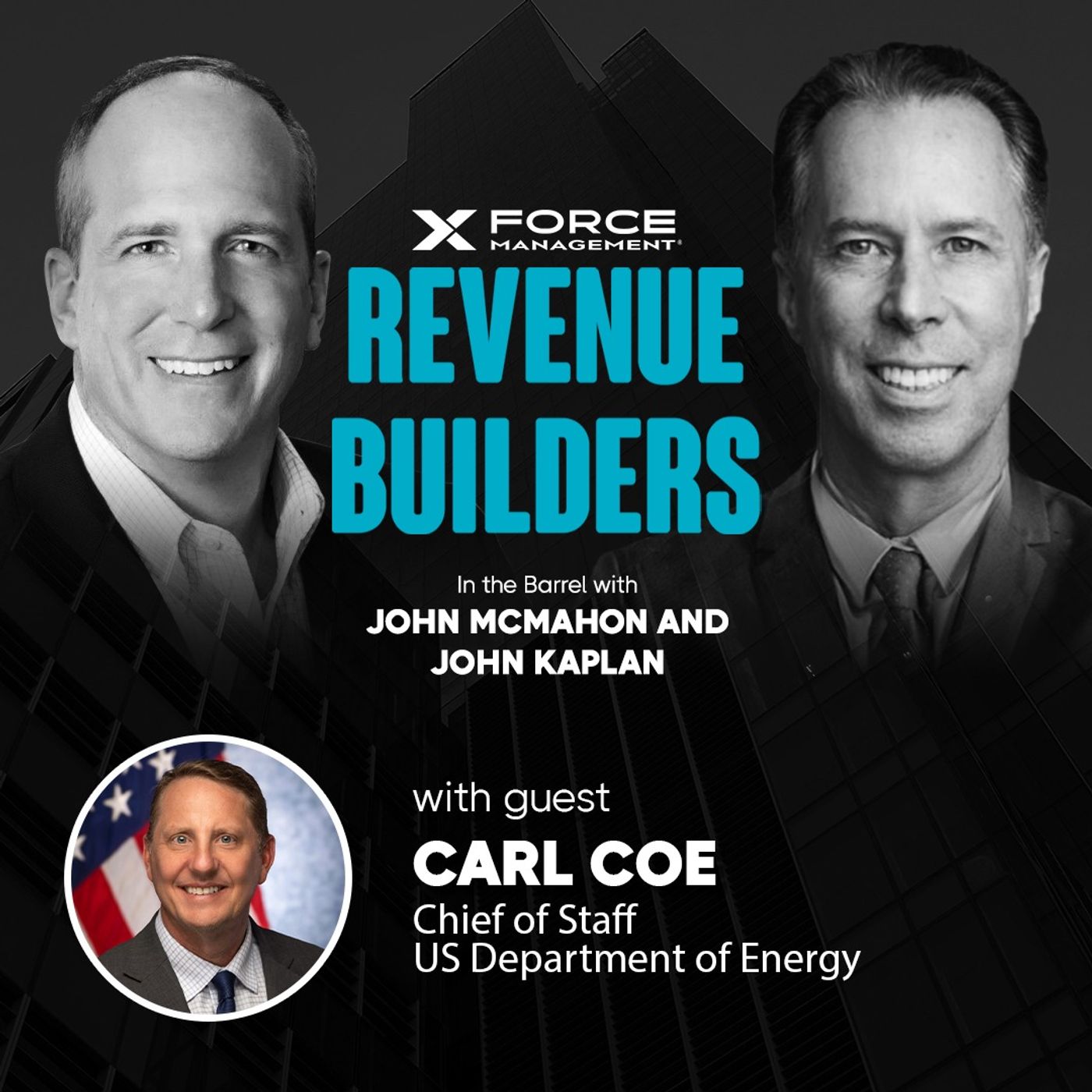
To drive rapid change within the Department of Energy, Carl Coe prioritized building alliances with existing employees. Instead of forcing his way in, he spent significant time getting to know people and respecting the organization. This opened doors and fostered cooperation, which was critical for long-term success.
CEO Zach Brown revived McLaren not by firing everyone, but by transforming a "toxic work environment" into one of transparency and collaboration. He kept many of the same long-term employees, showing that fixing culture can unlock the potential of an existing team, even in a high-stakes environment.
