Get your free personalized podcast brief
We scan new podcasts and send you the top 5 insights daily.
Tech culture is structurally optimistic because its players are invested in each other. Nick Land's philosophy is compelling because it provides a rigorous and unfiltered model of capital acceleration without offering a convenient, marketable solution, satisfying a need for intellectual honesty.

Related Insights
Silicon Valley's default response to crazy ideas is curiosity, not cynicism, which fosters greater ambition. Crucially, the culture values the experience gained from failure. A founder who raised and lost $50 million is still seen as a valuable bet by investors, a dynamic not found in other ecosystems.
A founder reflects on leaving a fulfilling lifestyle business to chase a VC-backed venture. He attributes this to the "Silicon Valley Kool-Aid"—an industry narrative suggesting that if you aren't building a potential billion-dollar company, you lack ambition or are a "loser."

Venture capitalists thrive by adopting one of two distinct personas: the "in the flow" consensus-driver focused on speed and connections, or the "out of the flow" contrarian focused on deep, isolated work. Attempting to straddle both paths leads to failure.
As tech's influence grows, the disruptive "asshole" persona is no longer celebrated. To build trust with investors, employees, and customers, founders must demonstrate respect for the communities they operate in, adopting a "give more than I get" mindset.

Dominant Silicon Valley ideologies like "Davos expert morality," its "super based" counter, and effective altruism are losing their hold. This creates a cultural vacuum, with a rising desire for work that feels more "worthy and valuable" than building addictive or low-quality "slot and slop machine" products.

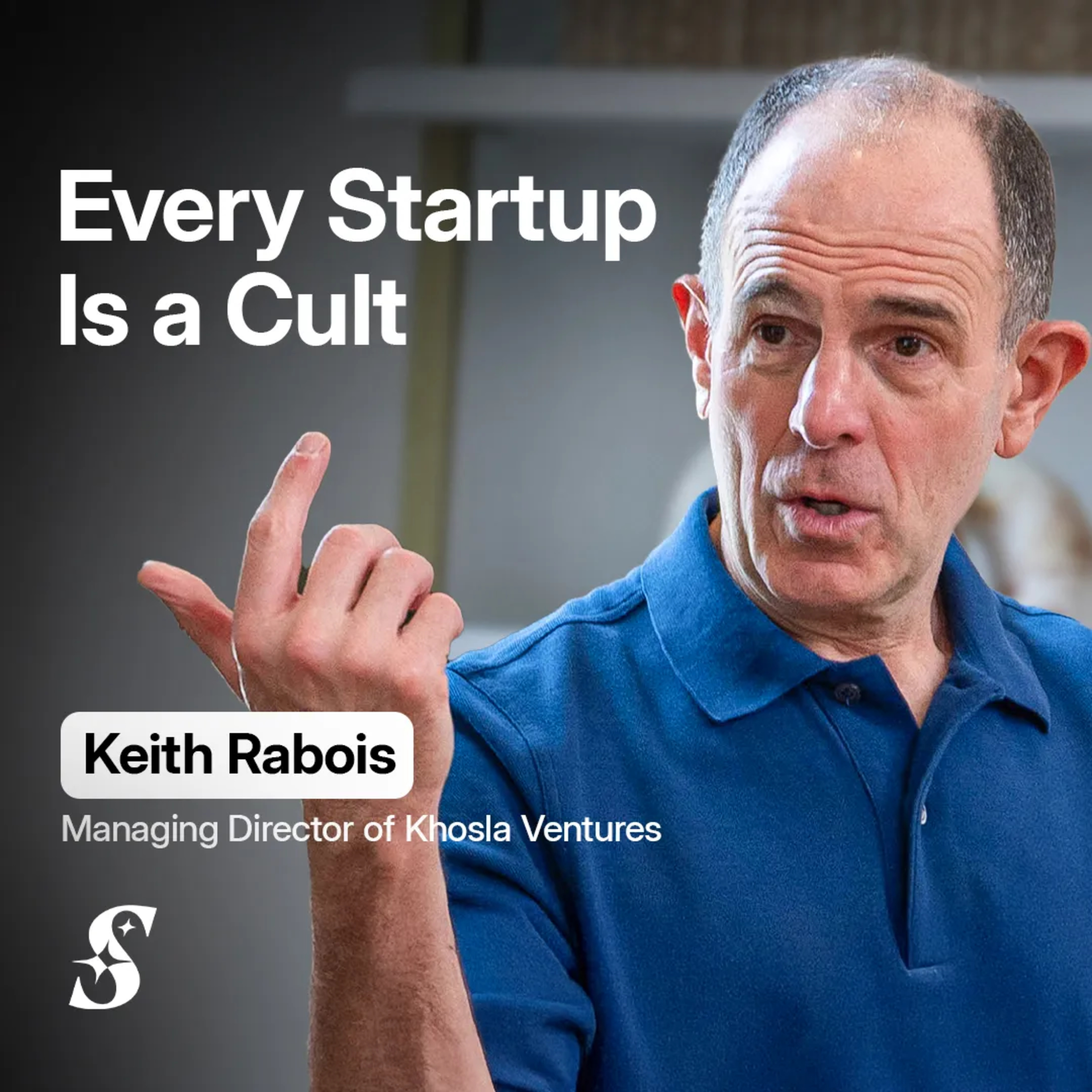
A startup's 'cult' is its unique set of beliefs about the world, its market, and its people. This shared, differentiated worldview is essential for unity and focus. However, to be a successful company rather than just a cult, this unique set of beliefs must be correct.
Kara Swisher argues that friction is critical for moving forward. The tech industry's obsession with creating seamless, easy experiences is misguided. Hardship and challenges are what lead to growth, cognitive health, and true innovation, whereas frictionless AI can lead to mental atrophy.

The narrative that vast tech fortunes are built on individual grit alone ignores the critical role of luck, timing, and systemic tailwinds. Recognizing fortune is key to humility and social responsibility, contrasting with the "obnoxious" belief of being purely self-made and entitled to the winnings.

The current AI investment frenzy is a powerful feedback loop. Silicon Valley labs promote a grand narrative to justify huge capital needs. Simultaneously, Wall Street firms earn massive fees by financing this buildout, creating a shared, bi-coastal incentive to keep the 'super cycle' narrative going, independent of immediate profitability.

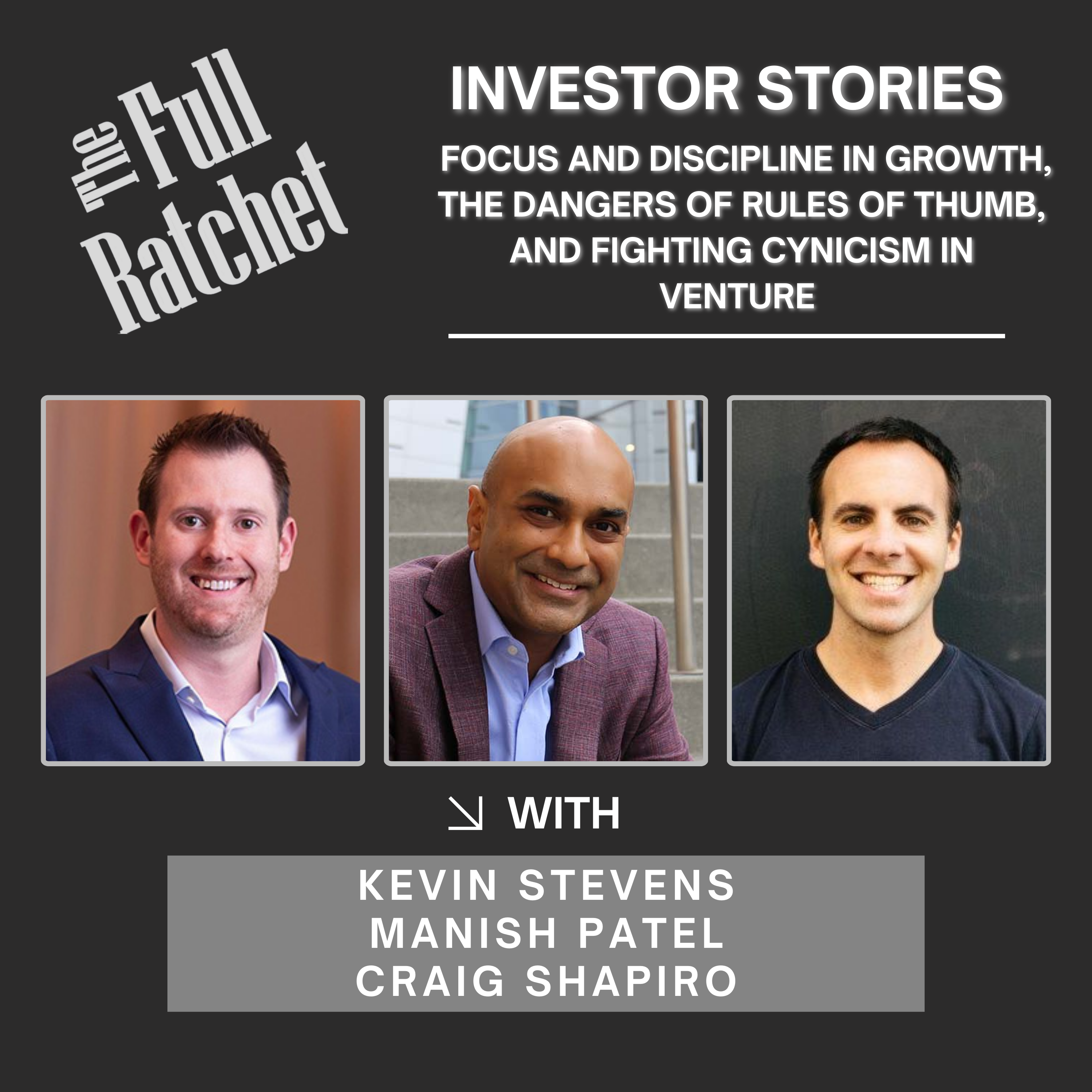
Investors naturally develop 'scar tissue' from past failures, leading to increased cynicism that can prevent them from backing ambitious, non-obvious ideas. The best investors intentionally fight this bias by balancing their experience with a 'beginner's mind.' While pure naivete is dangerous, so is excessive cynicism, and finding the intersection between the two is critical for venture success.