Get your free personalized podcast brief
We scan new podcasts and send you the top 5 insights daily.
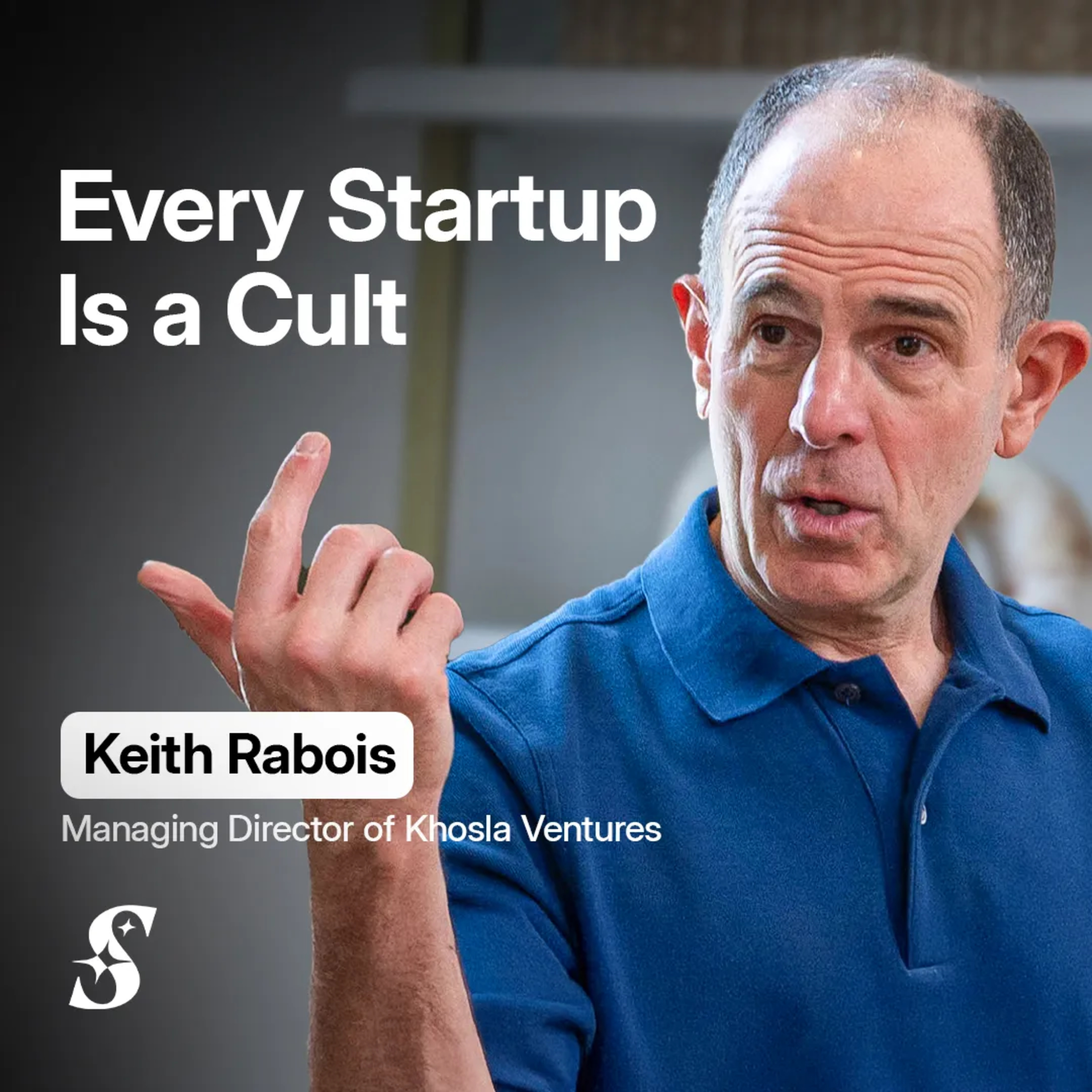
A startup's 'cult' is its unique set of beliefs about the world, its market, and its people. This shared, differentiated worldview is essential for unity and focus. However, to be a successful company rather than just a cult, this unique set of beliefs must be correct.
Related Insights
True entrepreneurial success stems from a deep-seated, almost irrational belief that exists before the skills or evidence to support it. Daniel Ek and the founder of Sony both exemplify this, possessing a powerful conviction in their potential long before they achieved massive success.

The belief required to start a company that solves a massive, complex problem like communication isn't confidence, but a form of delusion. This mindset allows founders to persist through challenges that a more realistic person might abandon, especially when a problem seems fundamentally unsolvable.

Breakthrough companies often succeed not by iterating endlessly, but by 'planting a flag'—making a strong, often contrarian bet on a core thesis (e.g., email-first media) and relentlessly executing against that vision, even when it's unpopular or lacks momentum.

A founder must simultaneously project unwavering confidence to rally teams and investors, while privately remaining open to any evidence that they are completely wrong. This conflicting mindset is essential for navigating the uncertainty of building a startup.

A successful startup often resembles a cult, requiring a leader who communicates their vision with unwavering, first-person conviction. Hiding the founder behind polished PR spokespeople is a mistake; it neuters the contagious belief required to recruit talent and build a movement against impossible odds.

Instead of chasing trends or pivoting every few weeks, founders should focus on a singular mission that stems from their unique expertise and conviction. This approach builds durable, meaningful companies rather than simply chasing valuations.

In school or corporate jobs, the 'rules for success' are provided. Founders enter a world with no such rubric and often fail because they don't consciously develop their own theory of how the world works, instead defaulting to shallow, unexamined beliefs about what founders 'should' do.

Before convincing investors or employees, founders need irrational self-belief. The first and most important person you must sell on your vision is yourself. Your conviction is the foundation for everything that follows.