Get your free personalized podcast brief
We scan new podcasts and send you the top 5 insights daily.
Large-scale fraud operates like a business with a supply chain of specialized services like incorporation agents, mail services, and accountants. While some tools are generic (Excel), graphing the use of shared, specialized infrastructure can quickly unravel entire fraud networks.

Related Insights
Counterintuitively, charities are a major fraud target not for their funds, but as a tool. Fraudsters use them for small, initial transactions to test if a stolen credit card is active. This validation makes the card more valuable for larger fraudulent purchases, putting charities on the frontline of the fraud supply chain.

The massive Minnesota fraud scheme was propped up by a network of fake "non-emergency transportation" companies. These entities created fraudulent logs of transporting non-existent clients between fake facilities, providing a seemingly legitimate paper trail that made the core fraud much harder for authorities to detect.

A novel form of organized crime involves gangs buying small, established freight forwarding businesses. They leverage the company's legitimate reputation to take possession of high-value shipping containers, steal the goods, and then promptly shut down the business and disappear, making the crime nearly untraceable.

A fraud operation can be brilliant at exploiting systemic weaknesses while being comically bad at faking basic evidence, like having one person forge dozens of signatures. This paradox is not surprising and reflects a division of labor similar to legitimate businesses, with different skill levels for strategy versus execution.
Viewing fraud as its own form of infrastructure, with its own "APIs of evil," provides transferable lessons. By understanding how fraudulent systems are built and operate, we can gain insights to better architect and secure the legitimate, critical infrastructure in our lives.
Auto parts company FBG funded its acquisition spree with a sophisticated fraud using "invoice factoring," a corporate version of a payday loan. By selling the same tranche of invoices to multiple private creditors, it illegitimately raised funds, leading to a collapse with $2.3 billion unaccounted for.

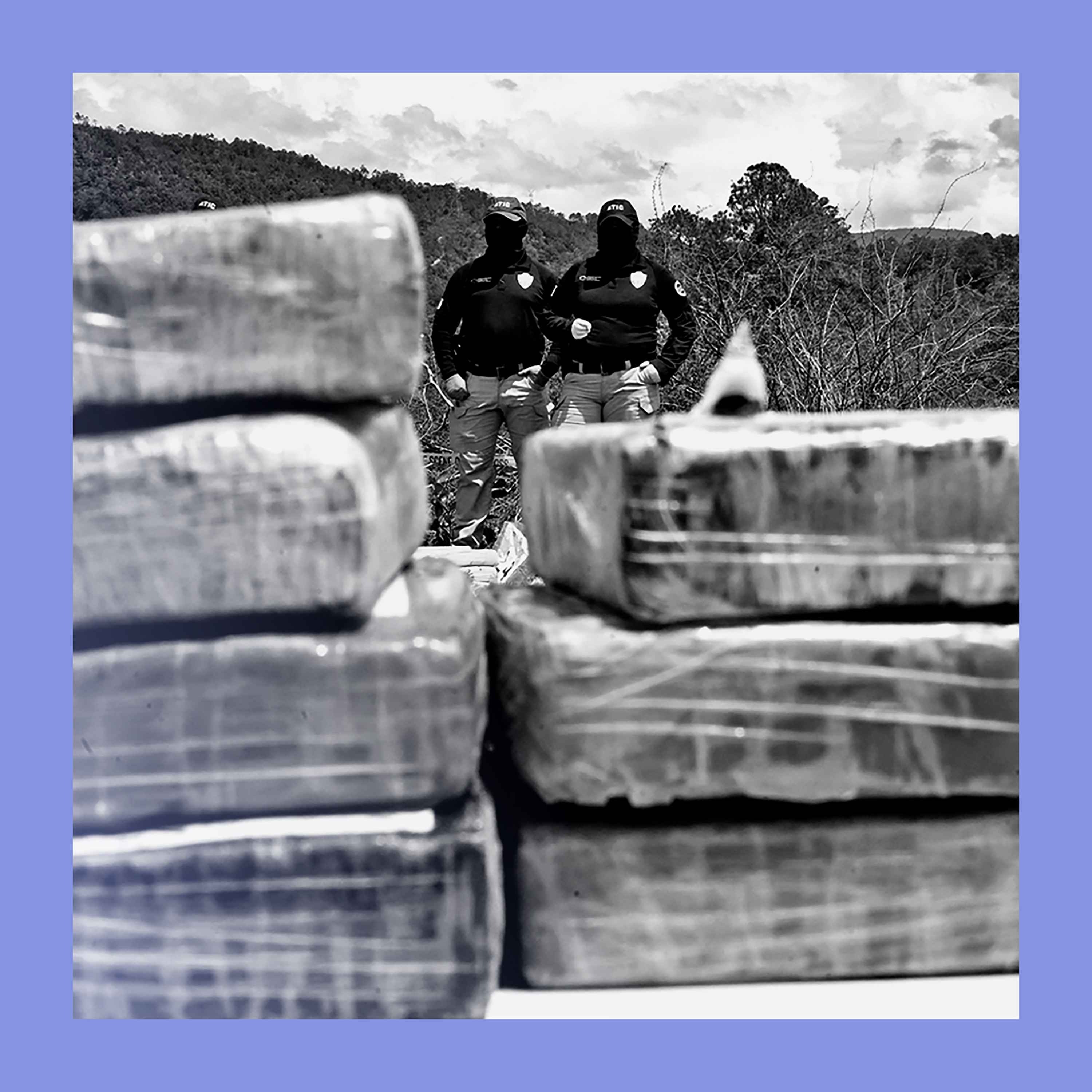
Drug trafficking has shifted from vertically integrated cartels to a fluid network of specialized subcontractors. This model, similar to tech manufacturing, makes the supply chain more resilient to disruption and fosters innovation in cultivation, smuggling, and money laundering, making it harder for law enforcement to disrupt.
While many focus on AI for consumer apps or underwriting, its most significant immediate application has been by fraudsters. AI is driving an 18-20% annual growth in financial fraud by automating scams at an unprecedented scale, making it the most urgent AI-related challenge for the industry.

A defender's key advantage is their massive dataset of legitimate activity. Machine learning excels by modeling the messy, typo-ridden chaos of real business data. Fraudsters, however sophisticated, cannot perfectly replicate this organic "noise," causing their cleaner, fabricated patterns to stand out as anomalies.
A core conceit of fraud is faking business growth. Consequently, fraudulent enterprises often report growth rates that dwarf even the most successful legitimate companies. For example, the fraudulent 'Feeding Our Future' program claimed a 578% CAGR, more than double Uber's peak growth rate. This makes sorting by growth an effective detection method.