Get your free personalized podcast brief
We scan new podcasts and send you the top 5 insights daily.
Defense startup Nine Mothers found that 12-gauge shotguns are more effective than standard 5.56 rounds for defeating small, fast drones. This insight led them to vertically integrate, developing the world's first belt-fed shotgun and custom ammunition for superior performance.

Related Insights
The conflict in Ukraine exposed the vulnerability of expensive, "exquisite" military platforms (like tanks) to inexpensive technologies (like drones). This has shifted defense priorities toward cheap, mass-producible, "attritable" systems. This fundamental change in product and economics creates a massive opportunity for startups to innovate outside the traditional defense prime model.

To counter the high cost of traditional interceptors, Ukraine has developed a strategy of using cheap, fast FPV (first-person view) drones to destroy incoming Shaheed drones. The newest versions use AI for autonomous final-stage guidance, creating a new paradigm in air defense.

Modern conflicts demonstrate that low-cost drones can effectively neutralize multi-million dollar missiles. This economic imbalance creates a massive market opportunity for tech companies that can produce cheaper, high-volume, and effective weapons systems.
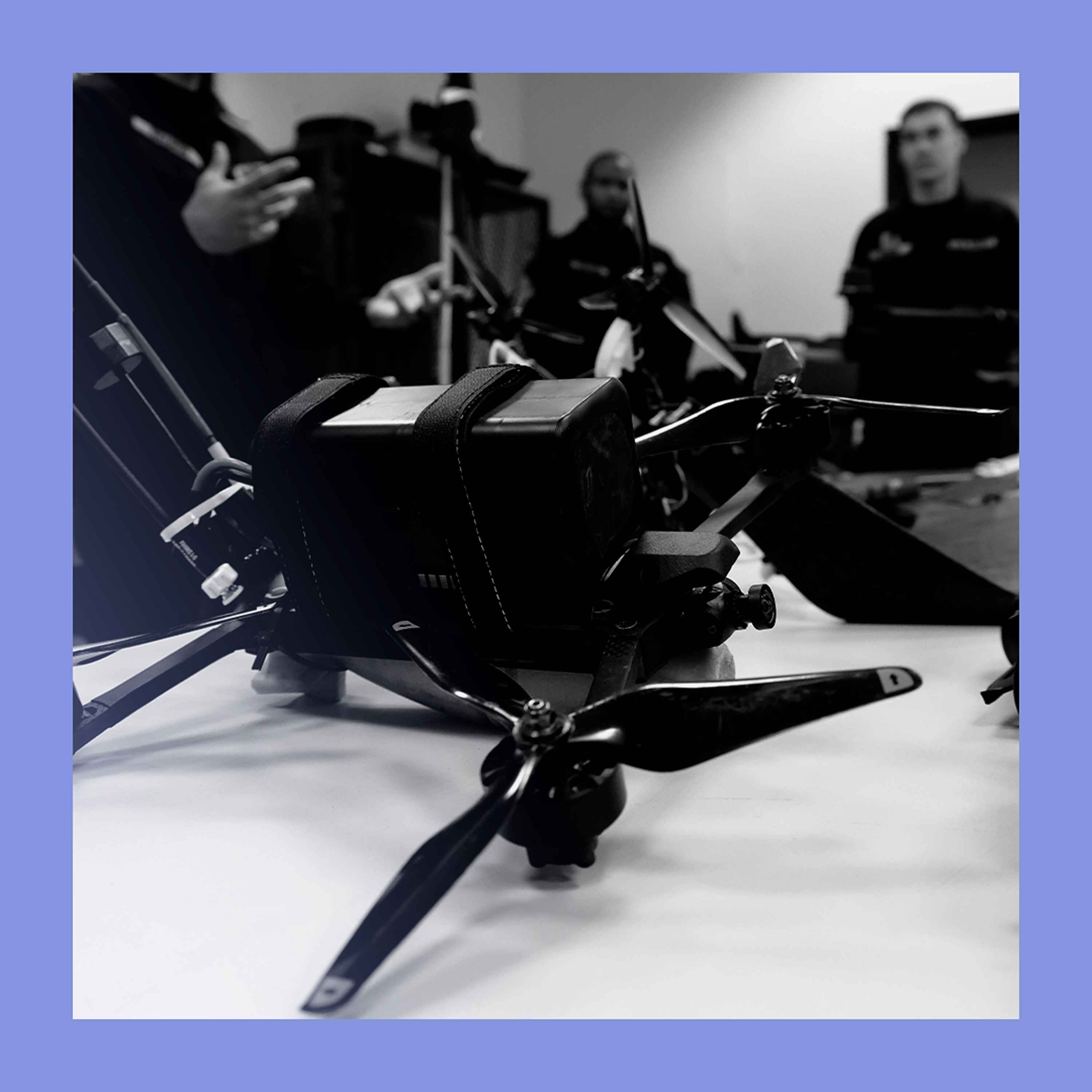
The war in Ukraine marks a historical inflection point in military technology. For the first time since the 19th century, the primary method of killing a soldier is no longer a bullet or artillery shell, but a drone. This fundamentally changes battlefield tactics and defense strategies.

The narrative from the Russia-Ukraine war suggested drones made helicopters obsolete. However, the Iran conflict shows AH-64 attack helicopters are effective at shooting down Shahed-type drones. Their ability to fly low and slow and use cheaper munitions like guns and rockets makes them a viable counter-UAS system.

Unlike the US model of a single "drone guy" per platoon, Ukraine has entire battalions focused on drone warfare. These units have frontline labs that debrief missions and iterate on drone technology within days, creating a dramatically faster innovation cycle.
Conceding the U.S. cannot out-manufacture China in a drone-for-drone war, Mock Industries' founder argues for an asymmetric strategy. This involves decentralized, easily deployed systems that make China's large, centralized assets (and our own) obsolete, shifting the battlefield dynamics entirely.

The US military excels at offense (attacking large targets) but is weak in defense, particularly against decentralized threats like swarms of small drones. This makes it difficult to secure shipping lanes like the Strait of Hormuz, as there is no central target to destroy, and a defensive shield is required.
Pika's drones are designed for high reliability and low operating costs, making them ideal for logistics but ill-suited for kinetic (bombing) missions, which favor cheaper, more disposable designs.

The rapid evolution of drones in Ukraine demonstrates that commercially viable, inexpensive products are now central to modern warfare. The ability to iterate quickly using commercial supply chains provides a mass-producible advantage over traditional, slow-moving defense procurement for certain capabilities.
![Darren Farber on Iran, China, and the Rise of Neoprimes - [Invest Like the Best, EP.474] thumbnail](https://megaphone.imgix.net/podcasts/ef669774-cccd-11ed-889b-c36caad6646f/image/158efdddfb983d2678b3530d484e8aa2.jpg?ixlib=rails-4.3.1&max-w=3000&max-h=3000&fit=crop&auto=format,compress)