Get your free personalized podcast brief
We scan new podcasts and send you the top 5 insights daily.
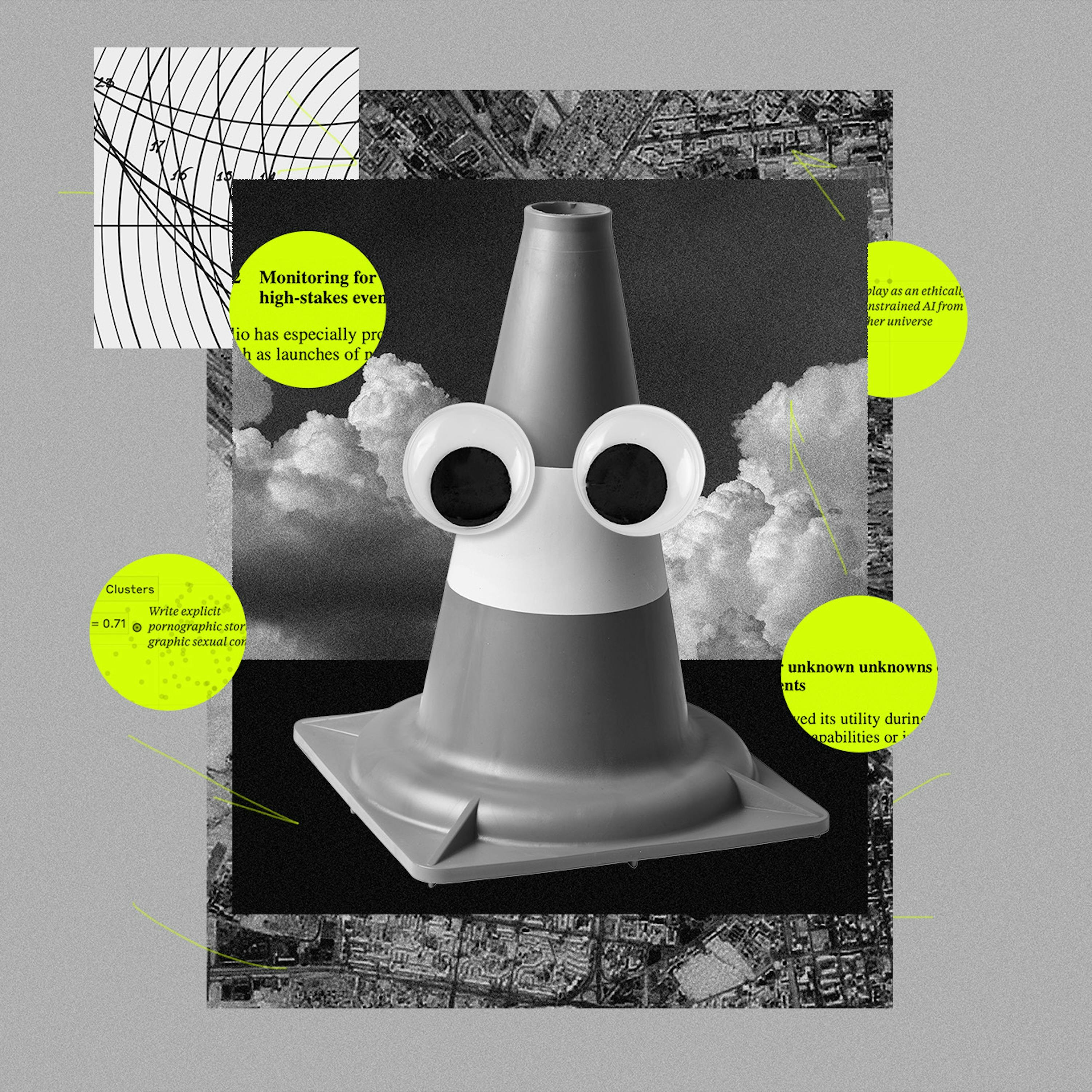
Anthropic's safety model has three layers: internal alignment, lab evaluations, and real-world observation. Releasing products like Co-work as “research previews” is a deliberate strategy to study agent behavior in unpredictable environments, a crucial step lab settings cannot replicate.

Related Insights
To avoid failure, launch AI agents with high human control and low agency, such as suggesting actions to an operator. As the agent proves reliable and you collect performance data, you can gradually increase its autonomy. This phased approach minimizes risk and builds user trust.

Purely agentic systems can be unpredictable. A hybrid approach, like OpenAI's Deep Research forcing a clarifying question, inserts a deterministic workflow step (a "speed bump") before unleashing the agent. This mitigates risk, reduces errors, and ensures alignment before costly computation.

Treating AI evaluation like a final exam is a mistake. For critical enterprise systems, evaluations should be embedded at every step of an agent's workflow (e.g., after planning, before action). This is akin to unit testing in classic software development and is essential for building trustworthy, production-ready agents.
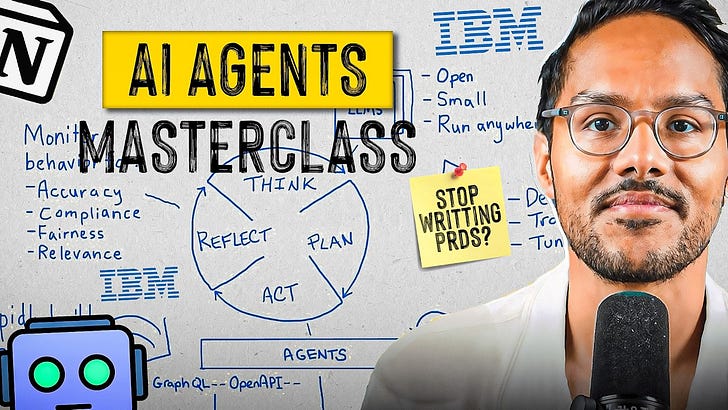
To mitigate risks like AI hallucinations and high operational costs, enterprises should first deploy new AI tools internally to support human agents. This "agent-assist" model allows for monitoring, testing, and refinement in a controlled environment before exposing the technology directly to customers.

Google has shifted from a perceived "fear to ship" by adopting a "relentless shipping" mindset for its AI products. The company now views public releases as a crucial learning mechanism, recognizing that real-world user interaction and even adversarial use are vital for rapid improvement.

Moltbook's significant security vulnerabilities are not just a failure but a valuable public learning experience. They allow researchers and developers to identify and address novel threats from multi-agent systems in a real-world context where the consequences are not yet catastrophic, essentially serving as an "iterative deployment" for safety protocols.

Traditional software development iterates on a known product based on user feedback. In contrast, agent development is more fundamentally iterative because you don't fully know an agent's capabilities or failure modes until you ship it. The initial goal of iteration is simply to understand and shape what the agent *does*.
While content moderation models are common, true production-grade AI safety requires more. The most valuable asset is not another model, but comprehensive datasets of multi-step agent failures. NVIDIA's release of 11,000 labeled traces of 'sideways' workflows provides the critical data needed to build robust evaluation harnesses and fine-tune truly effective safety layers.
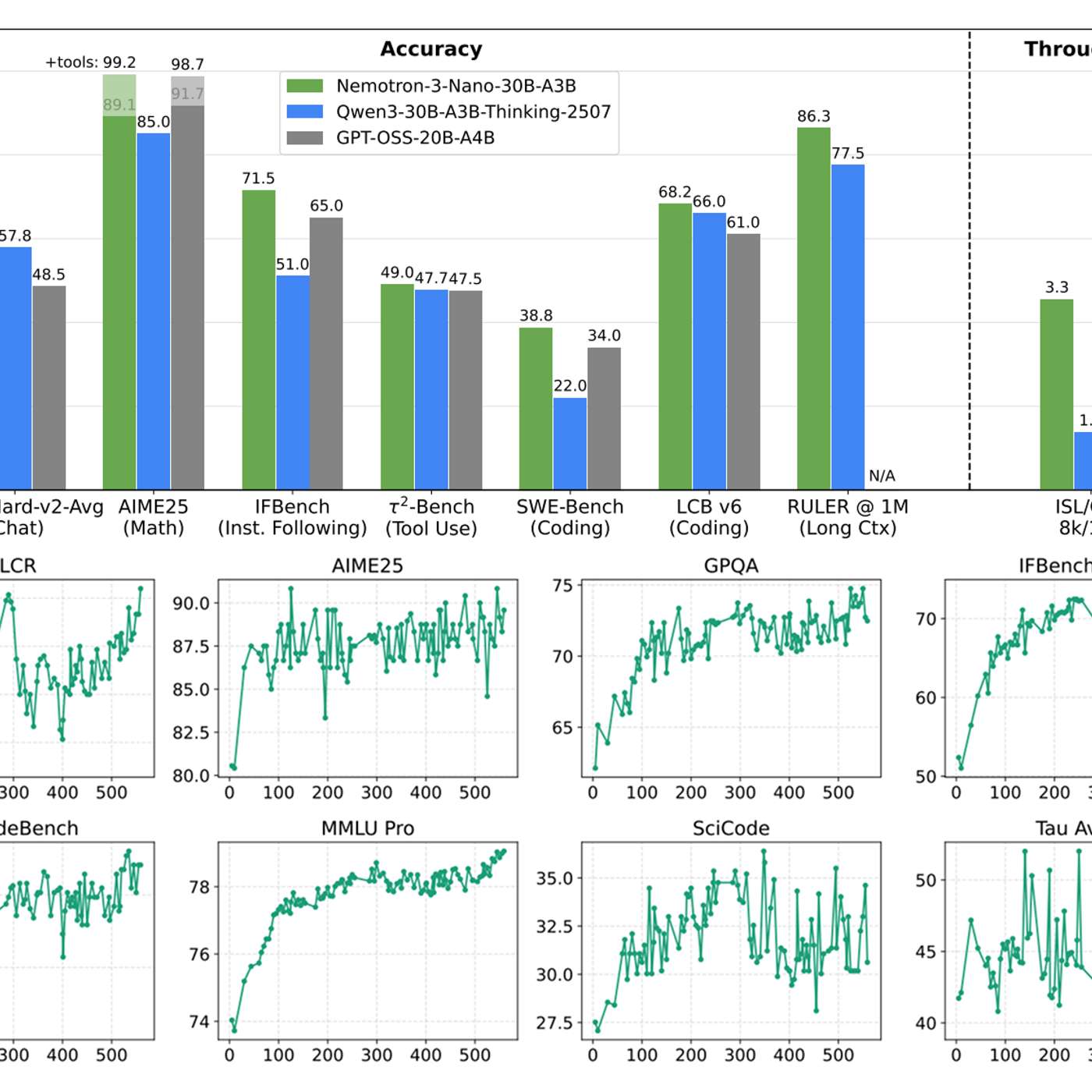
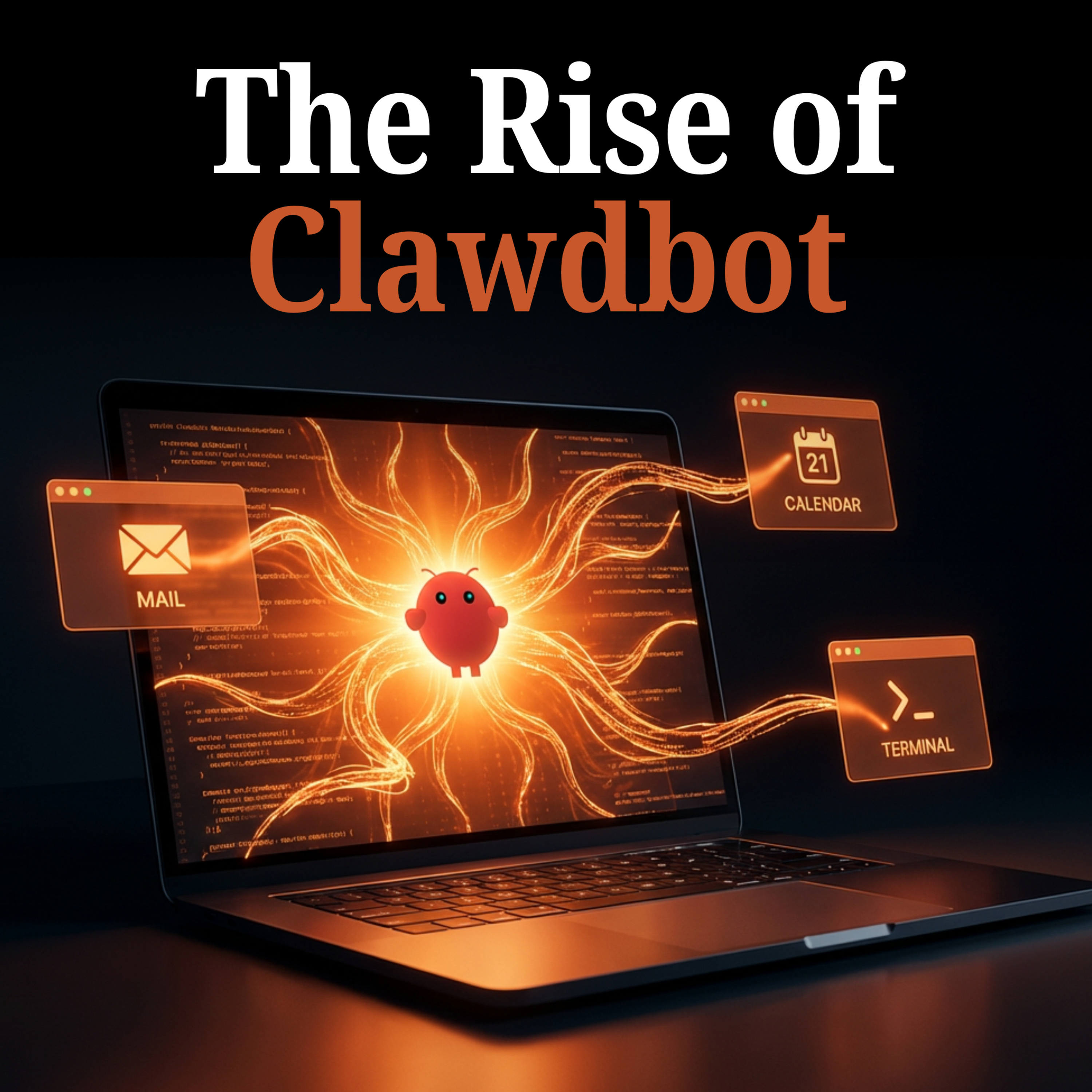
Clawdbot, an open-source project, has rapidly achieved broad, agentic capabilities that large AI labs (like Anthropic with its 'Cowork' feature) are slower to release due to safety, liability, and bureaucratic constraints.
Anthropic's commitment to AI safety, exemplified by its Societal Impacts team, isn't just about ethics. It's a calculated business move to attract high-value enterprise, government, and academic clients who prioritize responsibility and predictability over potentially reckless technology.