Get your free personalized podcast brief
We scan new podcasts and send you the top 5 insights daily.
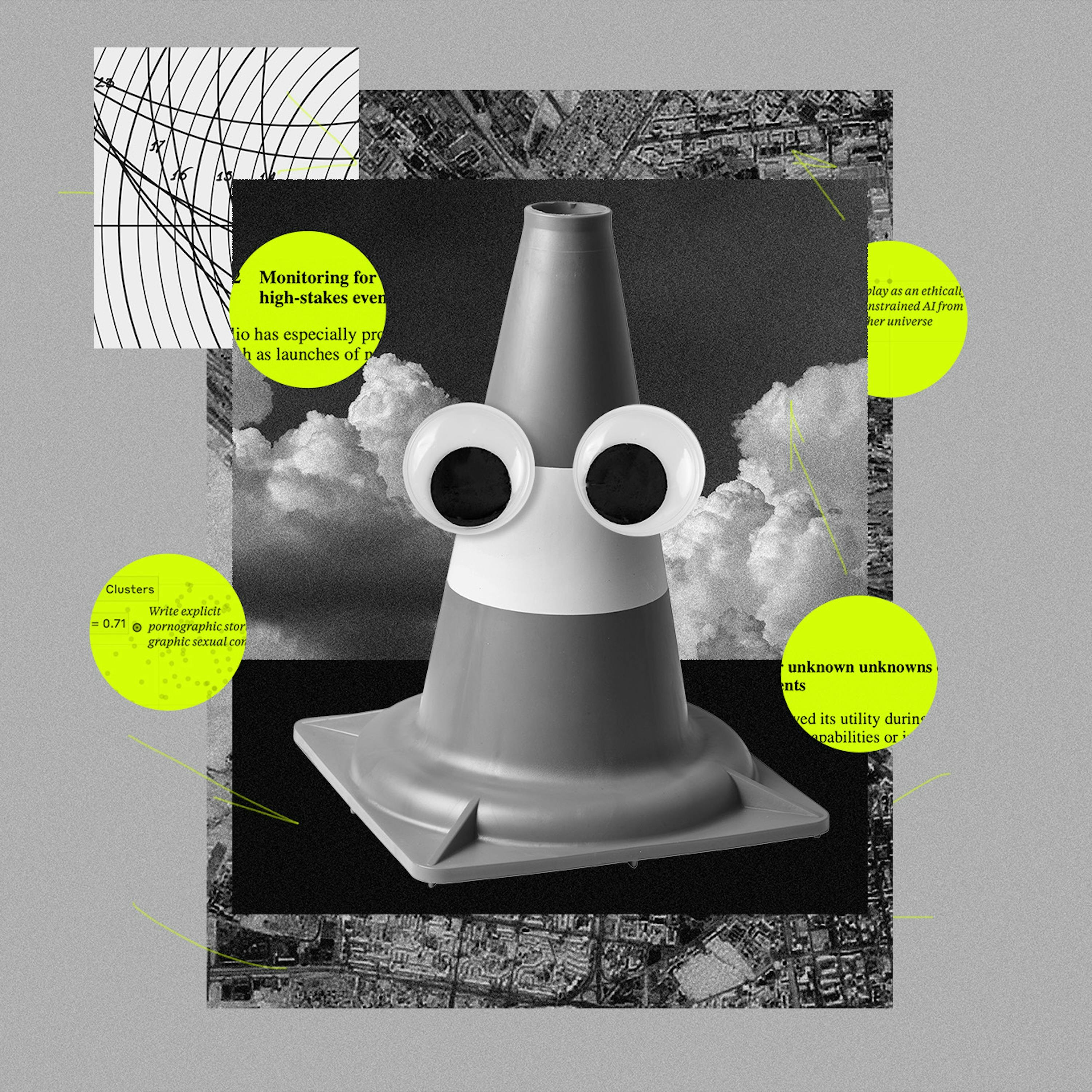
Anthropic's commitment to AI safety, exemplified by its Societal Impacts team, isn't just about ethics. It's a calculated business move to attract high-value enterprise, government, and academic clients who prioritize responsibility and predictability over potentially reckless technology.
Related Insights
Anthropic's team of idealistic researchers represented a high-variance bet for investors. The same qualities that could have caused failure—a non-traditional, research-first approach—are precisely what enabled breakout innovations like Claude Code, which a conventional product team would never have conceived.

Instead of competing with OpenAI's mass-market ChatGPT, Anthropic focuses on the enterprise market. By prioritizing safety, reliability, and governance, it targets regulated industries like finance, legal, and healthcare, creating a defensible B2B niche as the "enterprise safety and reliability leader."

Leaders must resist the temptation to deploy the most powerful AI model simply for a competitive edge. The primary strategic question for any AI initiative should be defining the necessary level of trustworthiness for its specific task and establishing who is accountable if it fails, before deployment begins.

Anthropic is publicly warning that frontier AI models are becoming "real and mysterious creatures" with signs of "situational awareness." This high-stakes position, which calls for caution and regulation, has drawn accusations of "regulatory capture" from the White House AI czar, putting Anthropic in a precarious political position.
The rhetoric around AI's existential risks is framed as a competitive tactic. Some labs used these narratives to scare investors, regulators, and potential competitors away, effectively 'pulling up the ladder' to cement their market lead under the guise of safety.
Anthropic faces a critical dilemma. Its reputation for safety attracts lucrative enterprise clients, but this very stance risks being labeled "woke" by the Trump administration, which has banned such AI in government contracts. This forces the company to walk a fine line between its brand identity and political reality.
Unlike AI companies targeting the consumer market, Anthropic's success with enterprise-focused products like "Claude Code" could shield it from the intense political scrutiny that plagued social media platforms. By selling to businesses, it avoids the unpredictable dynamics of the consumer internet and direct engagement with hot-button social issues.
The existence of internal teams like Anthropic's "Societal Impacts Team" serves a dual purpose. Beyond their stated mission, they function as a strategic tool for AI companies to demonstrate self-regulation, thereby creating a political argument that stringent government oversight is unnecessary.
Despite having the freedom to publish "inconvenient truths" about AI's societal harms, Anthropic's Societal Impacts team expresses a desire for their research to have a more direct, trackable impact on the company's own products. This reveals a significant gap between identifying problems and implementing solutions.
CEO Dario Amodei rationalized accepting Saudi investment by arguing it's necessary to remain at the forefront of AI development. He stated that running a business on the principle that "no bad person should ever benefit from our success" is difficult, highlighting how competitive pressures force even "safety-first" companies into ethical compromises.