Get your free personalized podcast brief
We scan new podcasts and send you the top 5 insights daily.
In the current media landscape, the political impact of military casualties depends on their virality. A non-visual event described in a traditional news article lacks the resonance of a graphic video shared on platforms like TikTok. This creates a grim calculus where policy is only influenced by losses that are visually shocking and widely shared.
Related Insights
The primary function of cable news has shifted. It no longer breaks news but instead produces segments specifically designed to be clipped and go viral on social media platforms. Its main impact is now on the broader internet conversation, not its direct viewership.

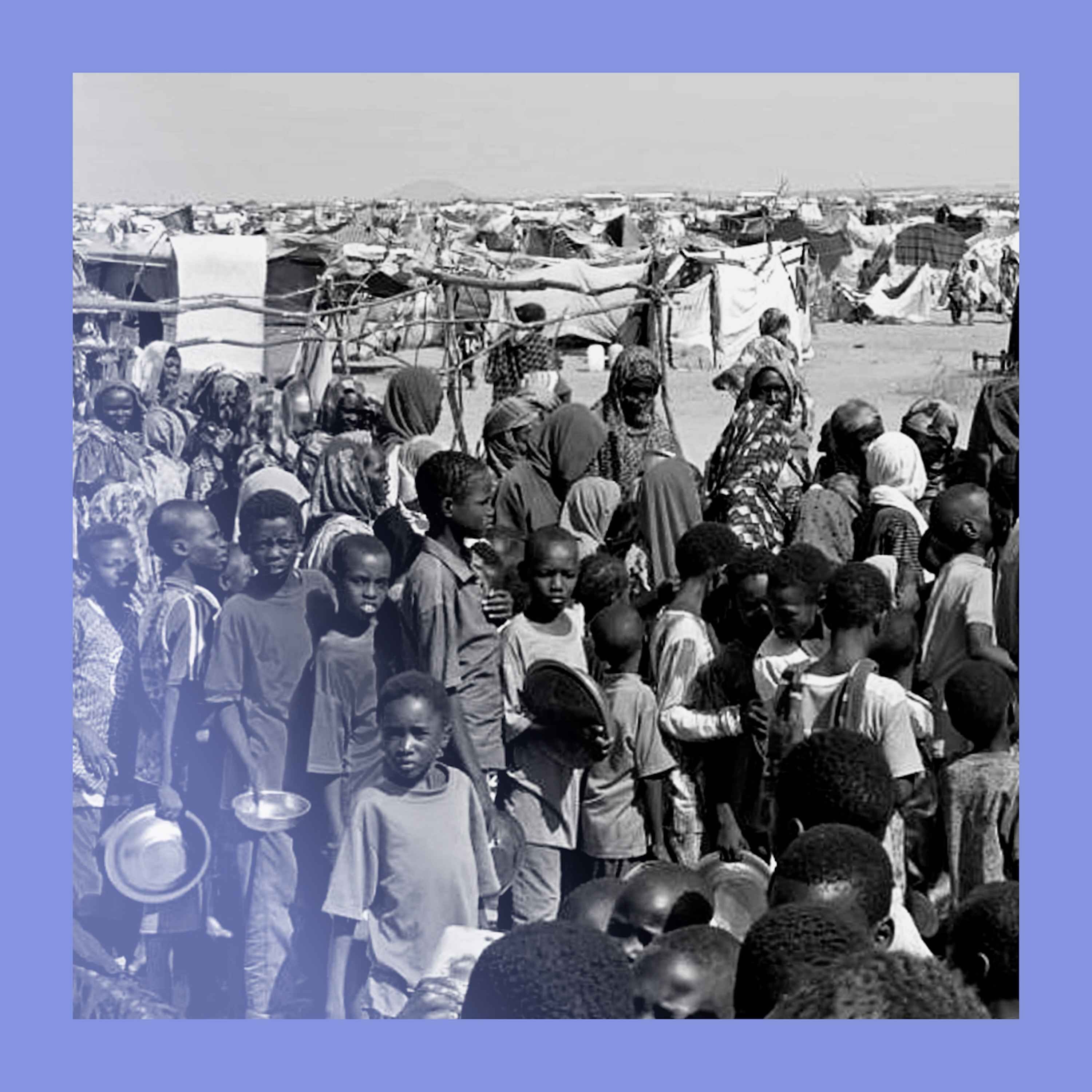
Despite clear evidence of massacres in El Fashir, the international response is muted compared to the celebrity-driven campaigns of the mid-2000s. Fractured media attention and the proliferation of global conflicts make it harder to sustain collective outrage for any single crisis.
ChinaTalk's most-viewed article compared AI companions in China and the US. This seemingly frivolous topic tapped into deeper geopolitical themes, generating 500,000 views. It shows that 'weird bets' can succeed by making complex issues accessible and highly shareable, a lesson for any policy-focused publication.

Charlie Kirk's assassination resonated so strongly due to its rich symbolism—a political commentator shot in the throat while speaking. This symbolic narrative creates a more powerful and memorable public reaction than other political violence because it's emotionally potent.
To counter a video-heavy information war with the Trump administration, Governor Pritzker's press team has begun sending press releases consisting solely of images. This strategy acknowledges that in a fragmented media landscape, visual content can be more powerful and faster to consume than traditional text, aiming to control the narrative through imagery.

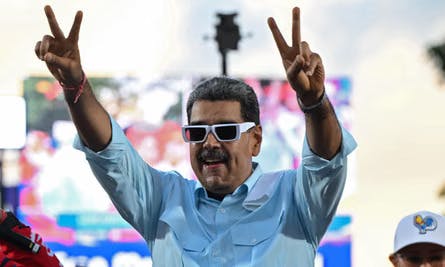
The viral reaction to Venezuelan President Maduro's capture focused on his Nike tracksuit, turning a serious event into memes. This cultural trend of "comedy" and memefication sanitizes and distracts from the oppressive reality of authoritarian regimes.

In a media landscape dominated by video, Blackbird Spyplane's deeply reported, text-only articles became some of their most widely shared work. This demonstrates that high-quality, in-depth written content can still find a large, engaged audience without needing a video or infographic component.

Gradual, complex issues like deploying federal troops into cities often fail to trigger a strong public backlash. In contrast, a sudden, easily understood event, like a late-night host's firing, can galvanize immediate outrage, revealing a disconnect in what the public perceives as a "red line."

When complex situations are reduced to a single metric, strategy shifts from achieving the original goal to maximizing the metric itself. During the Vietnam War, using "body counts" as a proxy for success led to military decisions designed to increase casualties, not to win the war.

Personalized media algorithms create "media tunnels" where individuals experience completely different public reactions to the same event. Following a political assassination attempt, one person's feed showed universal condemnation while others saw widespread celebration, highlighting profound social fragmentation.
