Get your free personalized podcast brief
We scan new podcasts and send you the top 5 insights daily.
The U.S. urges allies to buy American weapons for interoperability but then suspends deliveries when its own stockpiles are strained, as seen with Patriot missiles for Ukraine. This creates a strategic dilemma, undermining allied readiness and damaging U.S. credibility as a reliable supplier.

Related Insights
Politicians predictably declare initiatives for domestic production of critical goods like munitions or rare earths when dependencies are exposed. However, these declarations rarely translate into effective action, suggesting we must learn to manage economic entanglement as a form of mutual deterrence rather than wish it away.
A critical, unforeseen consequence of the US-Israel conflict with Iran is the direct impact on Ukraine's defense capabilities. Patriot missile systems intended to protect Ukraine from Russian strikes have been redeployed to the Middle East, leaving Kyiv more vulnerable and demonstrating the interconnectedness of global conflicts.

Massive backlogs for critical US military hardware are making America an unreliable supplier. This strategic vulnerability is pushing allied nations to develop their own defense industrial bases, creating a huge market for companies like Anduril that can co-develop and establish local production.

A regional conflict like the one in Iran has immediate global consequences for military readiness. The massive expenditure of interceptor missiles will create a supply crunch for US forces in other strategic areas like the Pacific and for allies like Ukraine, as production cannot keep up with wartime demand.
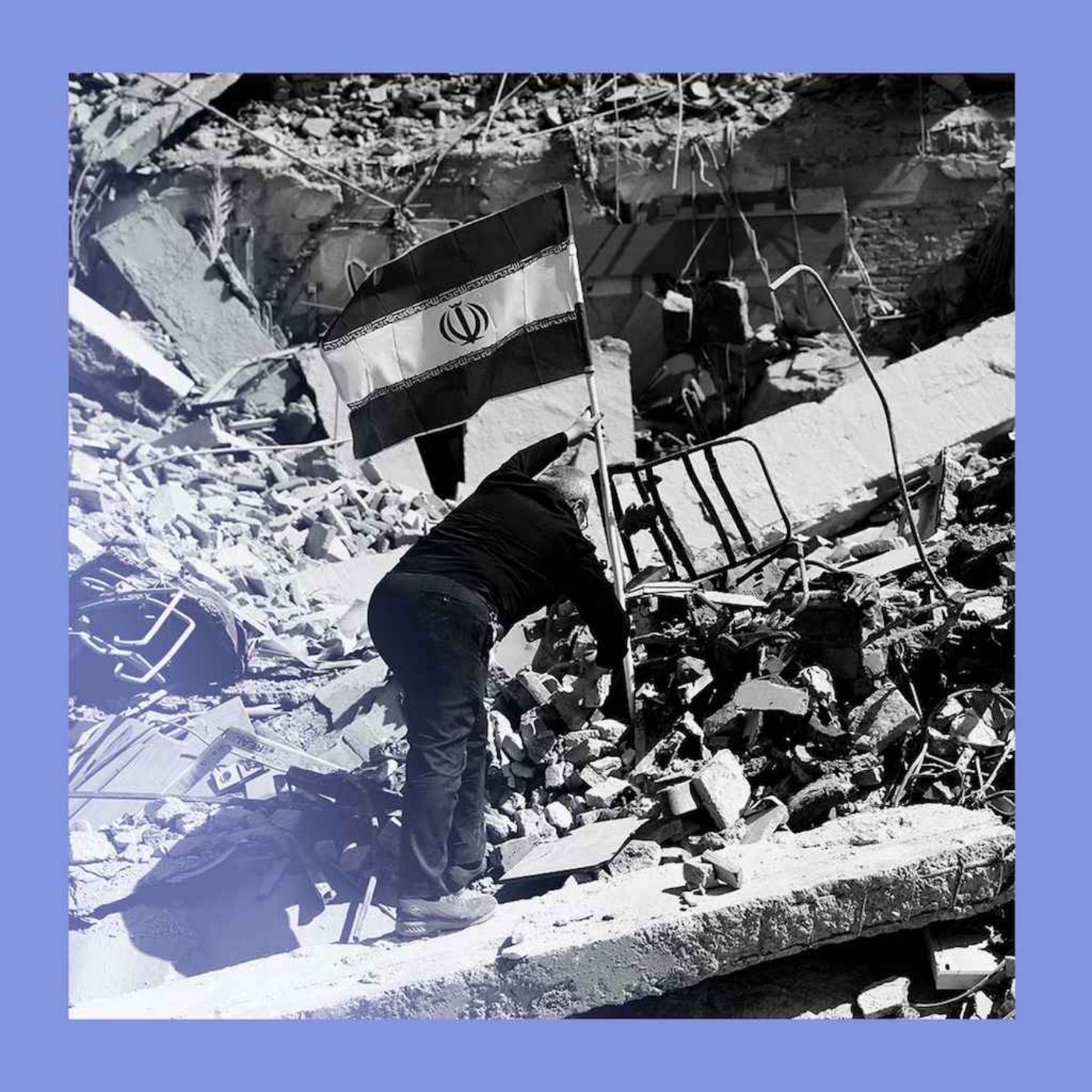
The US administration rejected a battle-proven Ukrainian solution for downing Iranian drones before the conflict began, only to need their help later. This failure to leverage allied expertise, especially from a nation with direct experience against similar threats, showcases a critical and ironic gap in US military preparedness.

Trump's confrontational stance with allies isn't just chaos; it's a calculated strategy based on the reality that they have nowhere else to go. The U.S. can troll and pressure nations like Canada and European countries, knowing they won't realistically align with China, ultimately forcing them to increase their own defense commitments.

Supply chain vulnerability isn't just about individual parts. The real test is whether a complex defense system, like a directed energy weapon, can be manufactured *entirely* from components sourced within the U.S. or from unshakeable allies. Currently, this is not possible, representing a critical security gap.

The backbone of NATO is not just US military might, but European trust in it. A dispute initiated by the US against allies is more existentially dangerous than past internal conflicts or external threats because it directly undermines the core assumption of mutual defense.

Simulations of a conflict with China consistently show the US depleting its high-end munitions in about seven days. The industrial base then requires two to three years to replenish these stockpiles, revealing a massive gap between military strategy and production capacity that undermines deterrence.

Countries are rapidly increasing defense spending due to global instability and the US's shifting role. Massive backlogs for US equipment, like a reported 15-year wait for Patriot missiles, are forcing allies to invest in domestic production and R&D for assured supply.