Get your free personalized podcast brief
We scan new podcasts and send you the top 5 insights daily.
After finishing a film, director Mike Leigh insists on taking a year off to ostensibly "do nothing"—read, see friends, visit galleries. This fallow period is a crucial part of his creative process. It shows that what looks like inactivity is actually a vital period of subconscious processing and idea gestation.

Related Insights
For cognitive and creative pursuits, scheduled rest and renewal are not optional indulgences. They are critical for insight, creativity, and sustained performance. Activities like walking actively improve creative output.

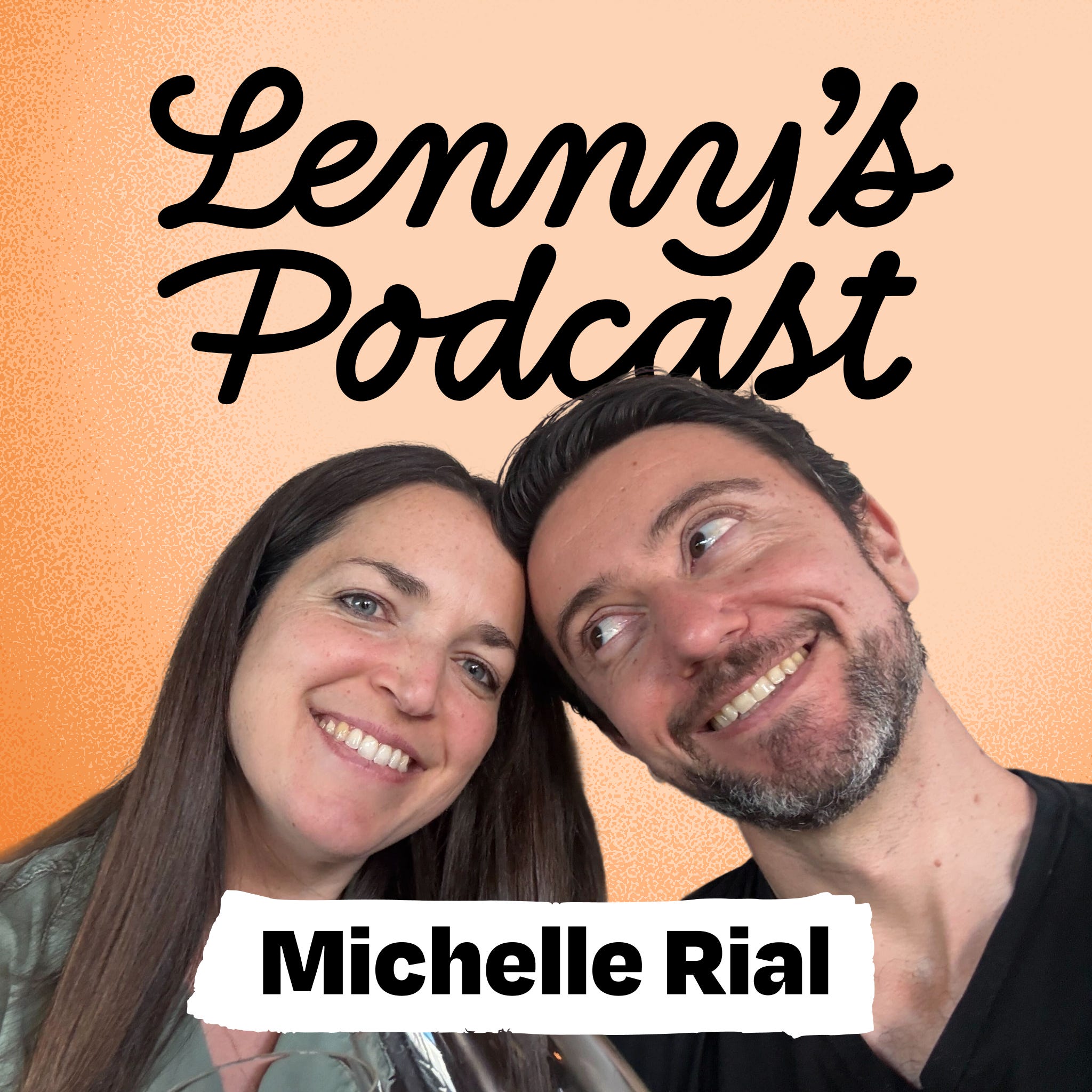
Artist Michelle Rial finds her creativity dries up when she focuses too hard on producing work. Her best ideas emerge from living life, observing the world, and processing her experiences. Creativity requires input from real life, not just scheduled output.
Creativity isn't born from constant activity; it stems from boredom, curiosity, and the mental space to think. Over-scheduled and under-resourced marketing teams are deprived of this crucial "nothingness," forcing them to recycle old ideas instead of innovating.

Constant stimulation from digital media keeps our brains in a taxed 'work mode.' Intentionally disconnecting and allowing for boredom activates the default mode network, a resting state that fosters inward thinking, problem-solving, and ultimately, enhanced creativity. Our escape from boredom is often 'junk food for the mind.'

Top creators don't wait for inspiration; they engineer it through structured rest. Activities like taking multiple showers (Sorkin), aimless boating (Einstein), or problem-solving walks (Darwin) look unproductive but are crucial for high-quality creative output. This contrasts with the modern tendency to brute-force solutions at a desk.

The speaker took a three-month break from burnout, not just to rest, but to engage in new experiences. This period of "me time" unexpectedly resulted in writing two books and creating new training programs, demonstrating that stepping away can be a powerful catalyst for creativity and productivity.

The best creative solutions often surface when you're not actively working. After absorbing project information, stepping away for days or weeks allows the subconscious to process and connect ideas, leading to stronger, more innovative outcomes than forced brainstorming.
The optimal creative process involves dedicating all of yourself to a project for a set period, without any outside distractions. Afterward, completely step away and engage in something else. This allows your subconscious mind to process the problem without the pressure of active thought.
A CMO's award-winning poem wasn't written at her desk under pressure but came to her spontaneously during an ACDC concert. This illustrates that creative breakthroughs often happen when the mind is disengaged from the problem and in a state of relaxation or high energy, rather than through forced effort.
A maker's most critical work is often invisible problem-solving, which can look like being stuck or idle. This period of intense thought is not a precursor to work; it is the work itself. Judging makers on visible activity misses the point and devalues the creative process.