Get your free personalized podcast brief
We scan new podcasts and send you the top 5 insights daily.
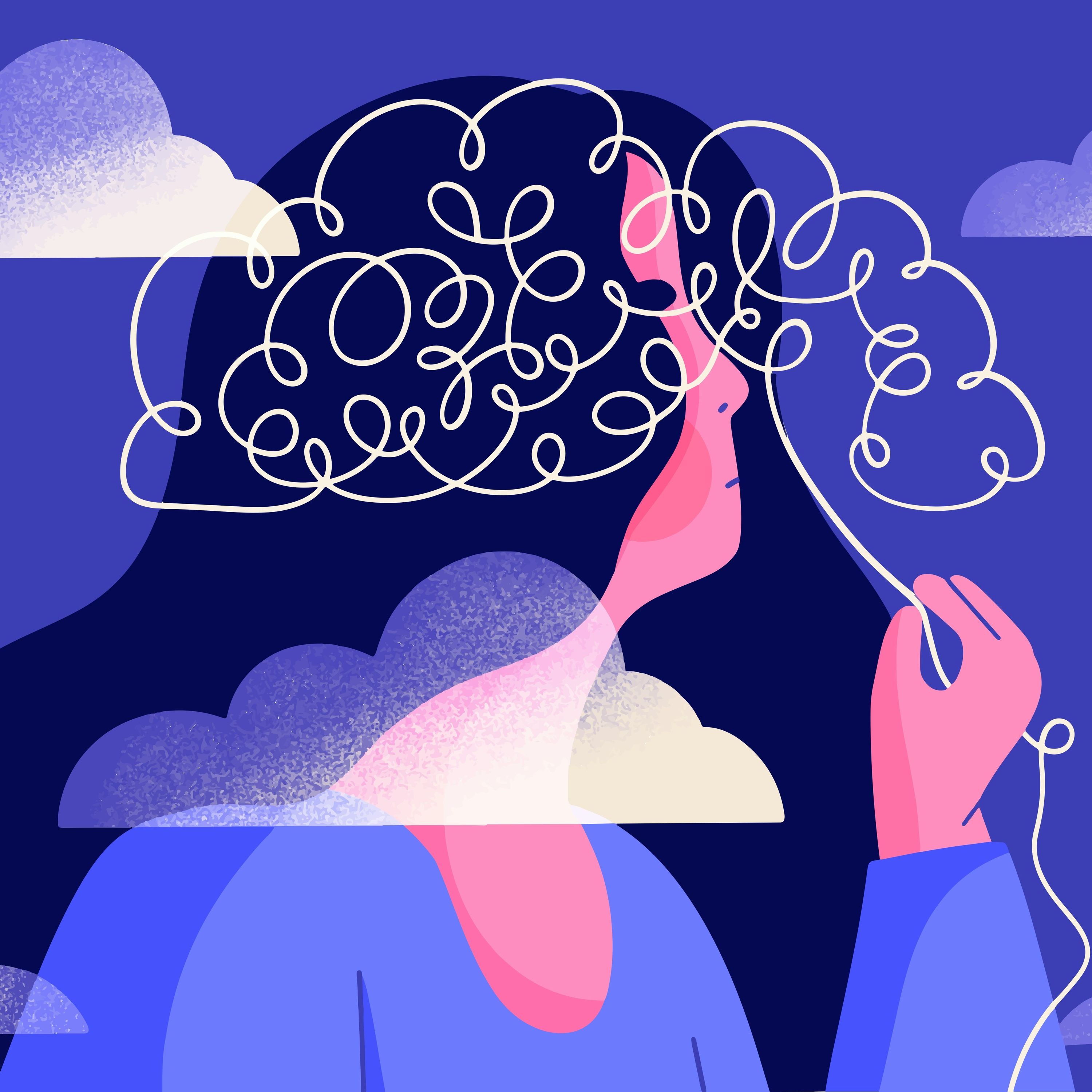
The optimal creative process involves dedicating all of yourself to a project for a set period, without any outside distractions. Afterward, completely step away and engage in something else. This allows your subconscious mind to process the problem without the pressure of active thought.
Related Insights
Your ability to concentrate is heavily influenced by the sensory inputs you received *before* starting a task. Overly stimulating breaks (like scrolling on your phone) make it harder to focus. Intentionally boring, low-stimulation breaks clear your mental slate for deep work.

Creative breakthroughs rarely happen while staring at a screen. Disconnecting and engaging in physical activity like a run is a proven method for generating novel ideas, as the mental space it creates allows solutions and inspiration to surface.

When at a creative impasse, stepping away from a project (distraction) is a productive strategy that allows your subconscious to find a solution. This is fundamentally different from procrastination, which is the consistent avoidance of work and ultimately undermines your ability to create.

Constant stimulation from digital media keeps our brains in a taxed 'work mode.' Intentionally disconnecting and allowing for boredom activates the default mode network, a resting state that fosters inward thinking, problem-solving, and ultimately, enhanced creativity. Our escape from boredom is often 'junk food for the mind.'

Constant productivity keeps the brain in a high-frequency "beta" state, which stifles creativity. To solve complex problems, you must intentionally shift to a slower "alpha" state by disconnecting. This is achieved through simple, non-distracting activities like walking in nature without your phone.

The best creative solutions often surface when you're not actively working. After absorbing project information, stepping away for days or weeks allows the subconscious to process and connect ideas, leading to stronger, more innovative outcomes than forced brainstorming.
Inspired by Maya Angelou's process, creative stamina can be managed by sequencing deep work ("big mind") with engaging, low-challenge activities like solitaire or crossword puzzles ("little mind"). This allows the mind to replenish its resources before diving back into demanding tasks.

Unlike administrative tasks, creative work can't be 'white-knuckled' through brute force. It requires a receptive state of mind, best cultivated by changing your environment, ensuring you're well-rested, and allowing for unstructured time away from stressful tasks.
The most crucial part of creativity is letting ideas "simmer" in the unconscious. After gathering information, step away from the problem completely. Engage in unrelated activities. This allows your mind to make novel connections you can't force through active thought.

Activities like train rides (J.K. Rowling) or walking are mildly stimulating without demanding full attention. This 'softly fascinating' state occupies the conscious mind just enough to allow the unconscious to wander, make connections, and deliver insights, unlike high-stimulation or deep-focus environments.