Get your free personalized podcast brief
We scan new podcasts and send you the top 5 insights daily.
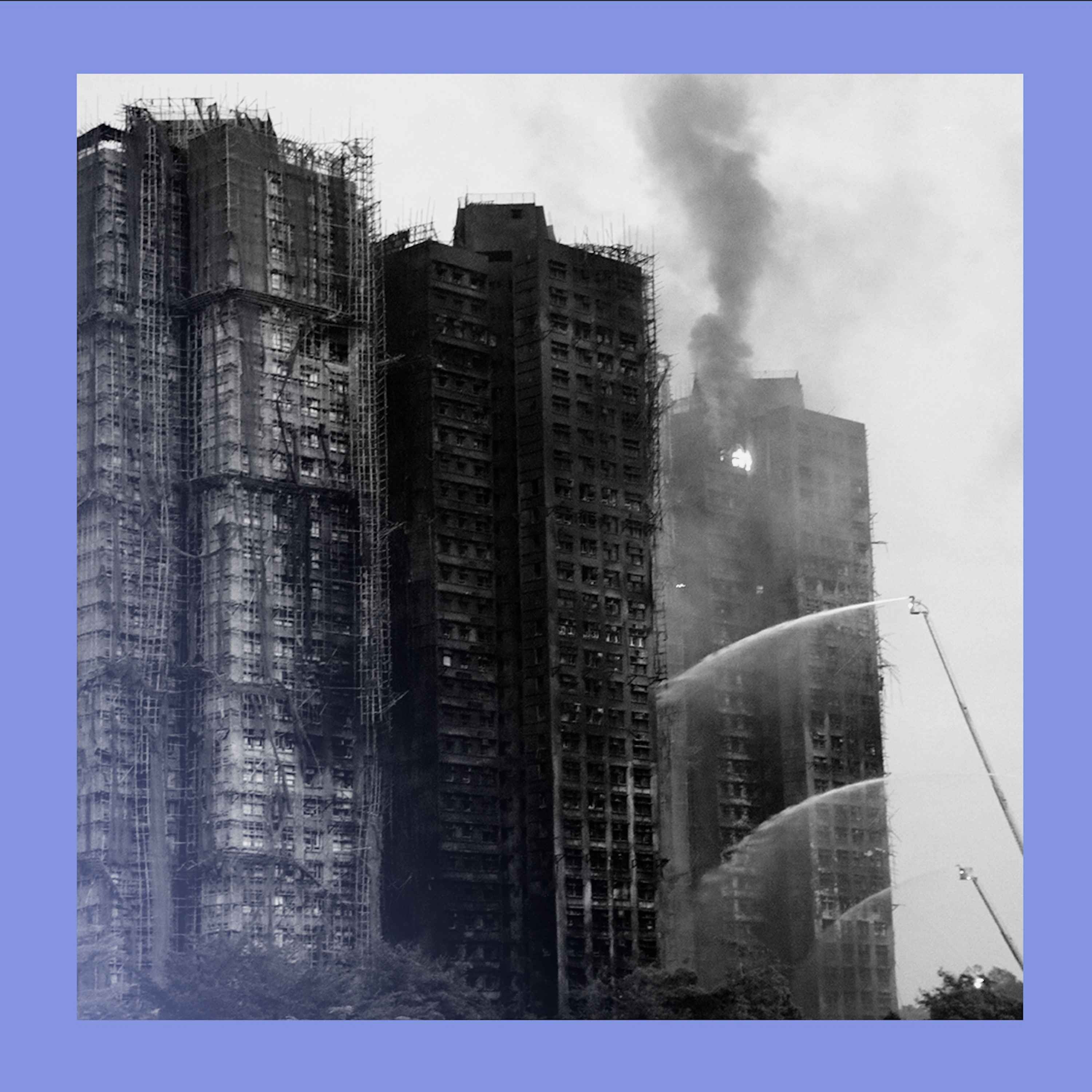
In Hong Kong, the public defense of bamboo scaffolding after a tragic fire became a safe, indirect way to protest perceived cultural erasure by Beijing. This coded speech allows citizens to voice dissent on sensitive political topics without directly violating strict national security laws.

Related Insights
A Russian influencer successfully criticized Putin by employing a classic Russian genre: the "petition to the good czar." This tactic frames dissent as an appeal from a loyal subject against bad officials, not the leader himself, providing a crucial layer of political protection in an authoritarian state.
The official focus on bamboo scaffolding after a deadly fire may be a political pretext to phase out a traditional industry with a strong, union-like guild. This would allow mainland-controlled firms to take over, despite evidence that much of the bamboo scaffolding survived the blaze intact.
Jane Fonda points out that historically, authoritarian regimes always attack artists and educators first. These groups are the "storytellers" who control the cultural narrative and shape how people think and feel. By silencing them, a regime can more easily impose its own version of reality.

Waving a national flag is a direct political act with serious risks in authoritarian countries. Activists are instead using pop culture symbols, like the pirate flag from the anime 'One Piece', to protest. This makes their message more ambiguous, providing a layer of plausible deniability to dodge censorship and reduce personal risk.
Dictatorships can tolerate individual criticism but actively suppress mechanisms that create common knowledge, like public assemblies or organized online groups. They understand that power rests on preventing citizens from realizing that their grievances are shared. Once dissent becomes common knowledge, coordinated revolt is possible, which no regime can withstand.

The loud, crowded environment of football matches offered a sanctuary for anti-apartheid activists. While the government banned political gatherings, the chaos of the games allowed activists to meet, converse, and organize, undermining the state's surveillance and censorship efforts.
An object's historical significance isn't fixed by its creator's intent. As shown with the "blueback speller," oppressed groups can transform common items into instruments of resistance and intellectual freedom, revealing a hidden history of agency and resilience that official narratives often miss.

Unlike other cities defined by finished landmarks, Hong Kong's cultural identity is deeply intertwined with the visible process of its own upkeep. Iconic bamboo scaffolding makes the act of construction and maintenance itself a defining, celebrated part of the city's public image and vernacular.
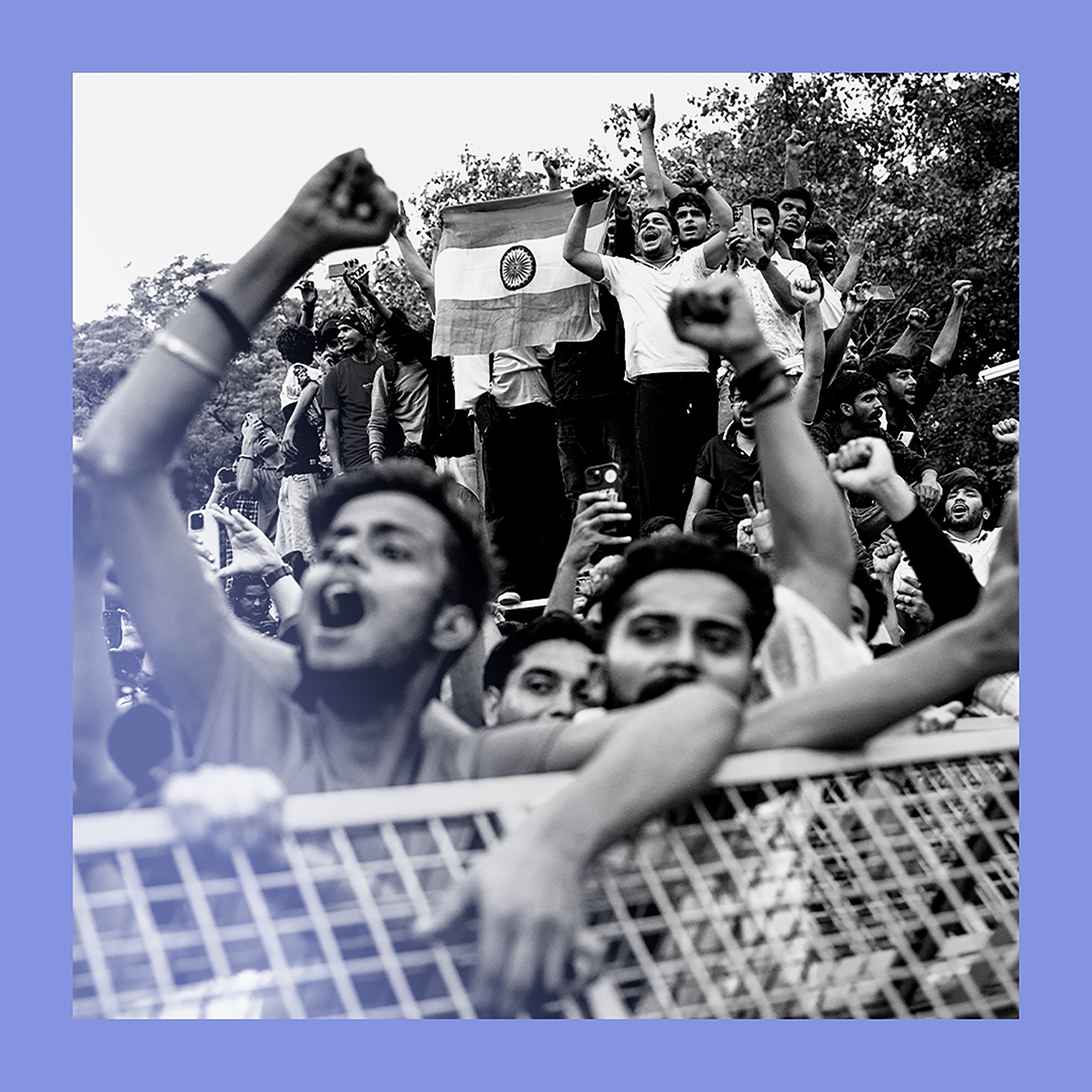
Facing a government that habitually brands critics as "anti-national," Indian youth protesters strategically employed patriotic symbols, such as clutching copies of the constitution and dressing as Gandhi. This tactic reframes their dissent as a patriotic duty to defend the country's future, making it significantly harder for authorities to discredit or suppress the movement.
Despite perceptions of strict state control, there's a widespread culture of finding clever workarounds. Examples include hiring "PhD nannies" to evade tutoring bans and using grandparents' IDs to bypass youth gaming limits, showing how top-down rules are often obviated at the grassroots level.