Get your free personalized podcast brief
We scan new podcasts and send you the top 5 insights daily.
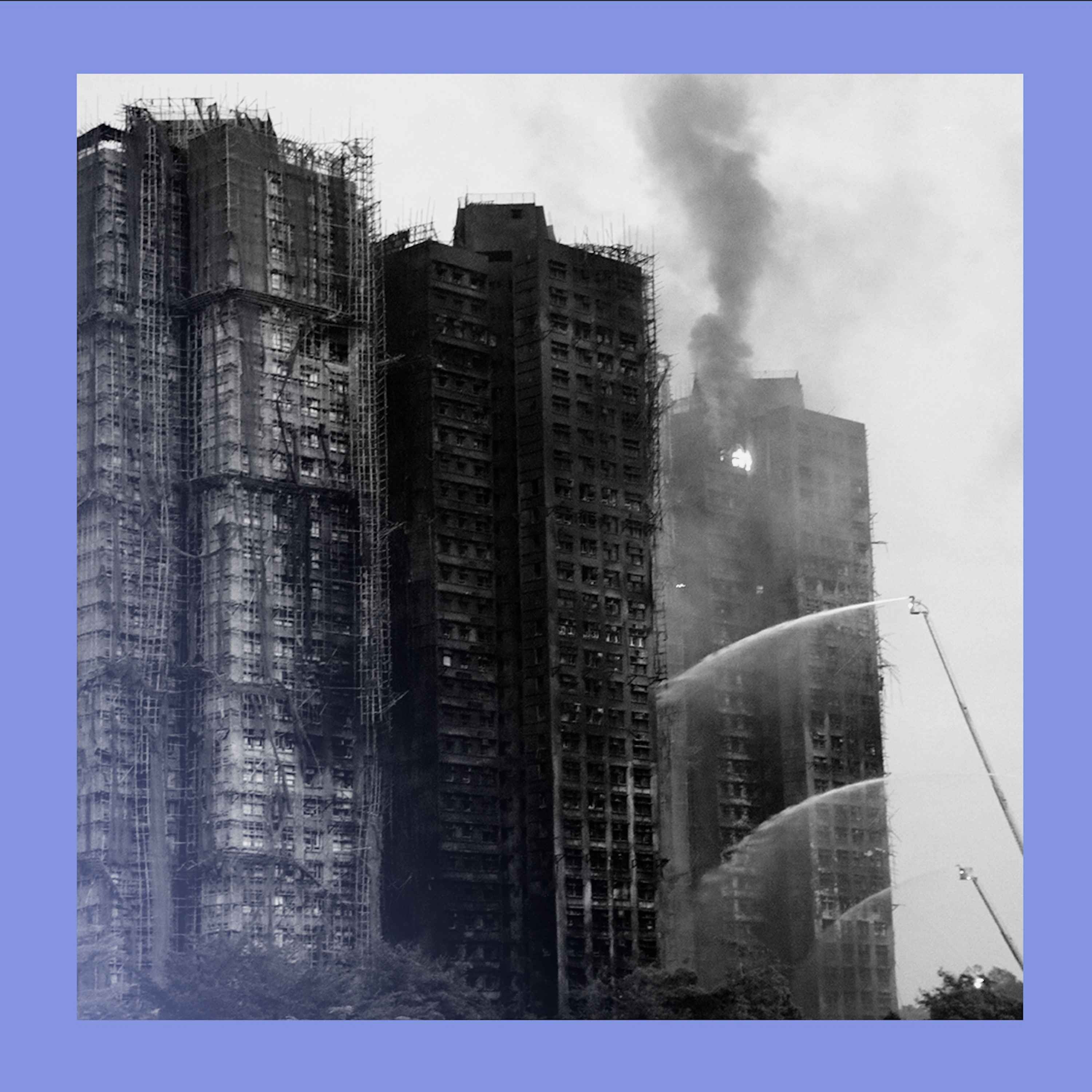
Unlike other cities defined by finished landmarks, Hong Kong's cultural identity is deeply intertwined with the visible process of its own upkeep. Iconic bamboo scaffolding makes the act of construction and maintenance itself a defining, celebrated part of the city's public image and vernacular.

Related Insights
The official focus on bamboo scaffolding after a deadly fire may be a political pretext to phase out a traditional industry with a strong, union-like guild. This would allow mainland-controlled firms to take over, despite evidence that much of the bamboo scaffolding survived the blaze intact.
Just as an individual's life is told through keepsakes and forgotten items, a nation's story can be understood not just through its monuments, but through its equivalent "clutter." These mundane, everyday objects form the collective biography of its people, making history more personal and accessible.

History is often told through famous objects in museums. However, a truer, more nuanced narrative of a nation's identity can be found by examining everyday items like screws, t-shirts, or simple books, which reveal hidden stories of industry, culture, and liberation.
While Hong Kong's government plans big-ticket attractions to drive tourism spending, visitor data shows a different reality. Tourists, especially from mainland China, are spending less and embracing cheap, authentic experiences like the city's historic tram network.

In Hong Kong's dense urban landscape, ancient bamboo scaffolding is more practical than modern steel. Its light weight, adaptability, and ability to be assembled without a ground-up structure makes it faster, cheaper, and less disruptive for construction in tight, complex spaces.
In Hong Kong, the public defense of bamboo scaffolding after a tragic fire became a safe, indirect way to protest perceived cultural erasure by Beijing. This coded speech allows citizens to voice dissent on sensitive political topics without directly violating strict national security laws.
China's constant building of subways, high-speed rail, and parks provides tangible proof of national improvement. This "physical dynamism" creates a powerful sense of public optimism and builds political resilience for the Communist Party, a stark contrast to the stagnation felt in the U.S.

Monumental architecture, like Rome's Colosseum, serves to rally a society and create a sense of shared history and group cohesion. Modern America's tendency to tear things down rather than build new, inspiring structures reflects a loss of this unifying spirit, especially in the absence of a balanced budget.

Hasan Piker suggests China is loosening travel restrictions because its cities have developed so impressively that Western visitors leave with a positive image. This organic 'soft power' is more effective at shaping global opinion than the country's notoriously poor official propaganda.

Hong Kong's daring architecture is partly a product of its primary scaffolding. The flexibility and ease of manipulating bamboo, unlike rigid steel, lowers the cost and time barrier for constructing complex, non-standard building shapes, thus fostering greater architectural innovation.