Get your free personalized podcast brief
We scan new podcasts and send you the top 5 insights daily.
The AI Scott Adams channel was banned from YouTube for potentially confusing users, not for a clear legal violation. This demonstrates that platform policies and their opaque enforcement mechanisms are currently a more immediate and powerful regulator of AI-generated content than established right-of-publicity laws.
Related Insights
YouTube's content rules change weekly without warning. A sudden demonetization or age-restriction can cripple an episode's reach after it's published, highlighting the significant platform risk creators face when distribution is controlled by a third party with unclear policies.
Unlike platforms like YouTube that merely host user-uploaded content, new generative AI platforms are directly involved in creating the content themselves. This fundamental shift from distributor to creator introduces a new level of brand and moral responsibility for the platform's output.

Actors like Bryan Cranston challenging unauthorized AI use of their likeness are forcing companies like OpenAI to create stricter rules. These high-profile cases are establishing the foundational framework that will ultimately define and protect the digital rights of all individuals, not just celebrities.

The shift from "Copyright" to "Content Detection" in YouTube Studio is a strategic response to AI. The platform is moving beyond protecting just video assets to safeguarding a creator's entire digital identity—their face and voice. This preemptively addresses the rising threat of deepfakes and unauthorized AI-generated content.
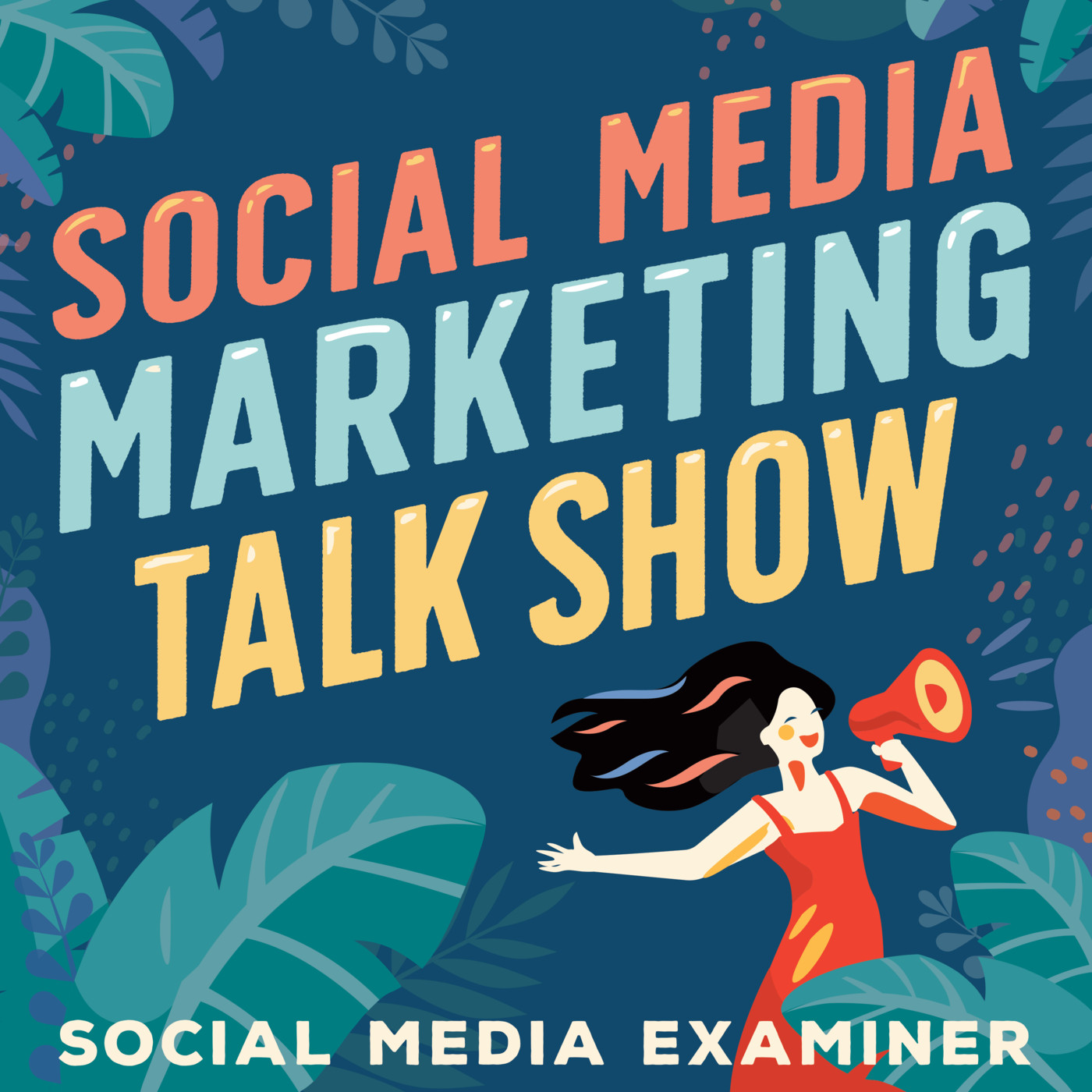
Section 230 protects platforms from liability for third-party user content. Since generative AI tools create the content themselves, platforms like X could be held directly responsible. This is a critical, unsettled legal question that could dismantle a key legal shield for AI companies.
The controversial AI-generated Scott Adams podcast highlights a gaping hole in estate planning. The incident suggests an emerging need for a legal instrument akin to a 'Do Not Resuscitate' order, allowing individuals to legally specify whether their likeness can be replicated by AI after their death.
When an AI tool generates copyrighted material, don't assume the technology provider bears sole legal responsibility. The user who prompted the creation is also exposed to liability. As legal precedent lags, users must rely on their own ethical principles to avoid infringement.

AI companies argue their models' outputs are original creations to defend against copyright claims. This stance becomes a liability when the AI generates harmful material, as it positions the platform as a co-creator, undermining the Section 230 "neutral platform" defense used by traditional social media.

After users created disrespectful depictions of MLK Jr., OpenAI now allows estates to request restrictions on likenesses in Sora. This "opt-out" policy is a reactive, unscalable game of "whack-a-mole." It creates a subjective and unmanageable system for its trust and safety teams, who will be flooded with requests.
OpenAI's new video tool reveals a strategic trade-off: it is extremely restrictive on content moderation (blocking prompts about appearance) while being permissive with copyrighted material (e.g., Nintendo characters). This suggests a strategy of prioritizing brand safety over potential future copyright battles.
