A speaker highlights a dramatic shift in public perception. A decade ago, the margin of Americans who believed college was worth the cost was +13. Today, that number has cratered to -30, indicating a major crisis of confidence in the higher education system's ROI.
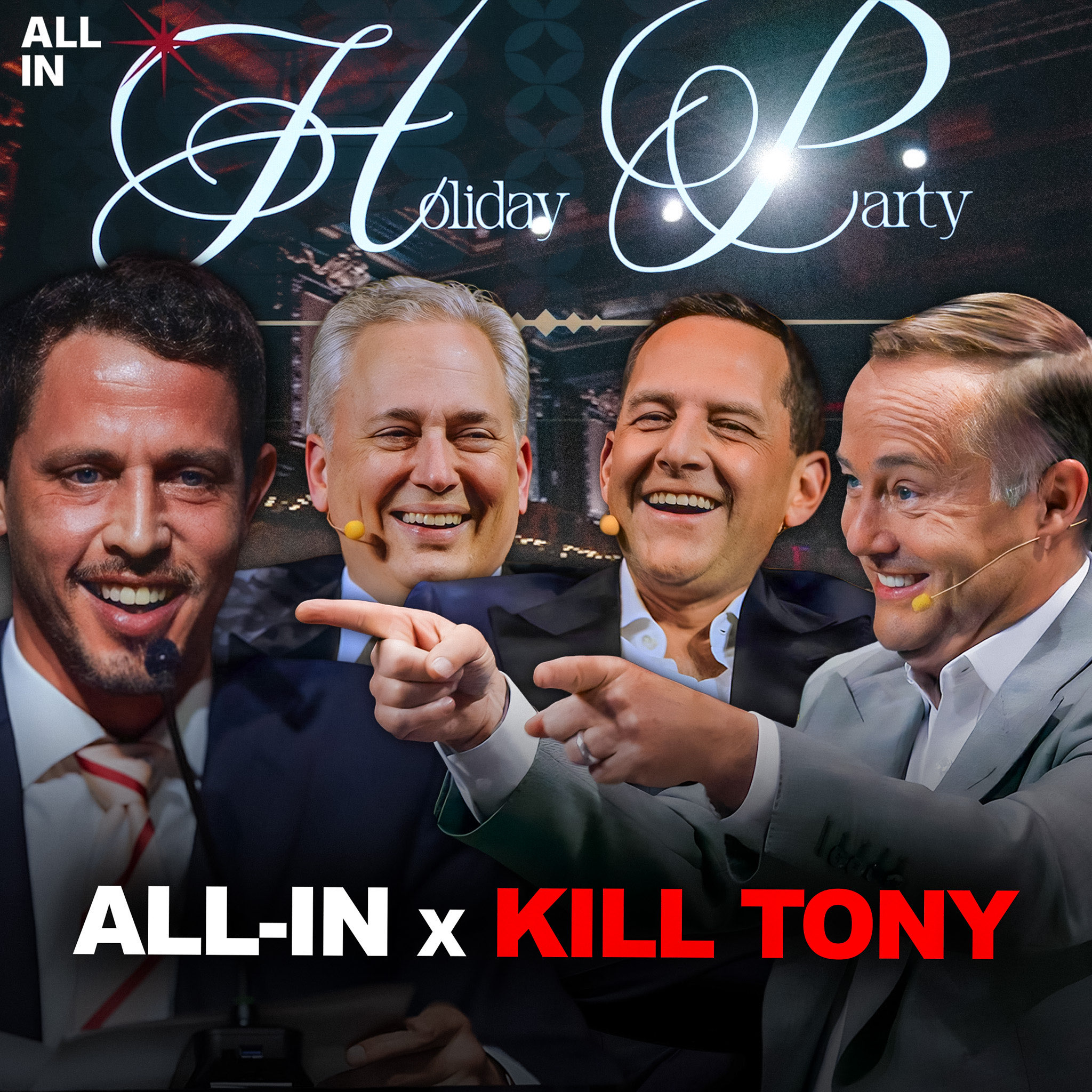
Much like an appearance on Johnny Carson's show once launched a comedian's career, "Kill Tony" now serves as the industry's primary talent discovery engine. Agents and producers watch the live-streamed show to scout undiscovered talent, bypassing traditional gatekeepers.
Before success, Hinchcliffe slept in his car because he couldn't afford rent. He now recalls these as his "favorite times," highlighting how embracing the early struggle is a key psychological component for long-term entrepreneurial resilience and motivation.
A policy at Stanford offering advantages like extra time for disabled students has resulted in half the student body claiming disability status. This illustrates how well-intentioned policies can create perverse incentives that undermine meritocracy.
Citing thousands of arrests for "malicious communication" in the UK and Germany, the hosts frame Europe's crackdown on speech as a cautionary tale. They note similar legislation was narrowly vetoed in California, highlighting a real threat to American free speech principles.
YouTube's content rules change weekly without warning. A sudden demonetization or age-restriction can cripple an episode's reach after it's published, highlighting the significant platform risk creators face when distribution is controlled by a third party with unclear policies.
Hinchcliffe realized the most entertaining part of open mics was the private jokes comedians shared in the back. He built his hit show "Kill Tony" by making this "insider" commentary public, proving that hidden, expert critique can be a compelling product.
Unlike the agent-controlled casting in Hollywood, "Kill Tony" gives any comedian a chance by randomly pulling names from a bucket. This democratic process ensures a meritocratic and unpredictable show where genuine talent can emerge without industry connections.
Despite near-unlimited capital and distribution, Apple's most impressive innovation in the last decade has been a thinner iPhone. This is viewed as a major failure of vision and a massive missed opportunity for a company positioned to lead in new technological frontiers.