Get your free personalized podcast brief
We scan new podcasts and send you the top 5 insights daily.
Mr. Beast's loud, high-energy on-screen accent is a deliberate choice, starkly different from his normal speaking voice. He screams every sentence to create shock and awe, a style specifically engineered to captivate the short attention spans of his core teenage audience.

Related Insights
Your enthusiasm as a storyteller is infectious. Like Steve Jobs marveling at his own products, showing genuine excitement guides your audience on how to react, making them more likely to connect emotionally with your message and vision.

To increase video pace and maintain viewer attention, Roberto Nickson cuts out even tiny pauses between lines. He achieves this by slightly overlapping the audio and video of consecutive clips, creating a punchier, seamless flow that respects the audience's time.

Rushing through words causes listeners to disengage. By speaking with a deliberate cadence and strategic pauses, as orators like Churchill did, you force your audience to listen. This gives them time to process your message and connect with its emotional weight, making you more persuasive.

Humor is a tool for managing an audience's emotional state. By inserting a well-placed joke after a high-stakes moment (e.g., a pregnant woman screaming), a speaker can signal that the story is safe, preventing the audience from worrying about a tragic outcome and keeping them engaged.

There are distinct influencer accents for different goals. 'Lifestyle' influencers use a cozy, slower pace for parasocial connection. 'Educational' influencers use a faster, authoritative, staccato style to be perceived as a trusted source, not a relatable friend.
A viewer comprehends the visual elements of a video before they can even read the text overlay. Content creators often over-focus on perfecting the words, forgetting that the first few frames of video are the true hook. As Mr. Beast noted, his most-viewed short-form videos often contain no speaking at all.

Treat your vocal tone as a strategic tool, much like a DJ chooses music. To create a calm, receptive atmosphere, adopt a soft "James Taylor" tone. This analogy helps you consciously modulate your voice to influence the listener's emotional state, separate from the words you choose.

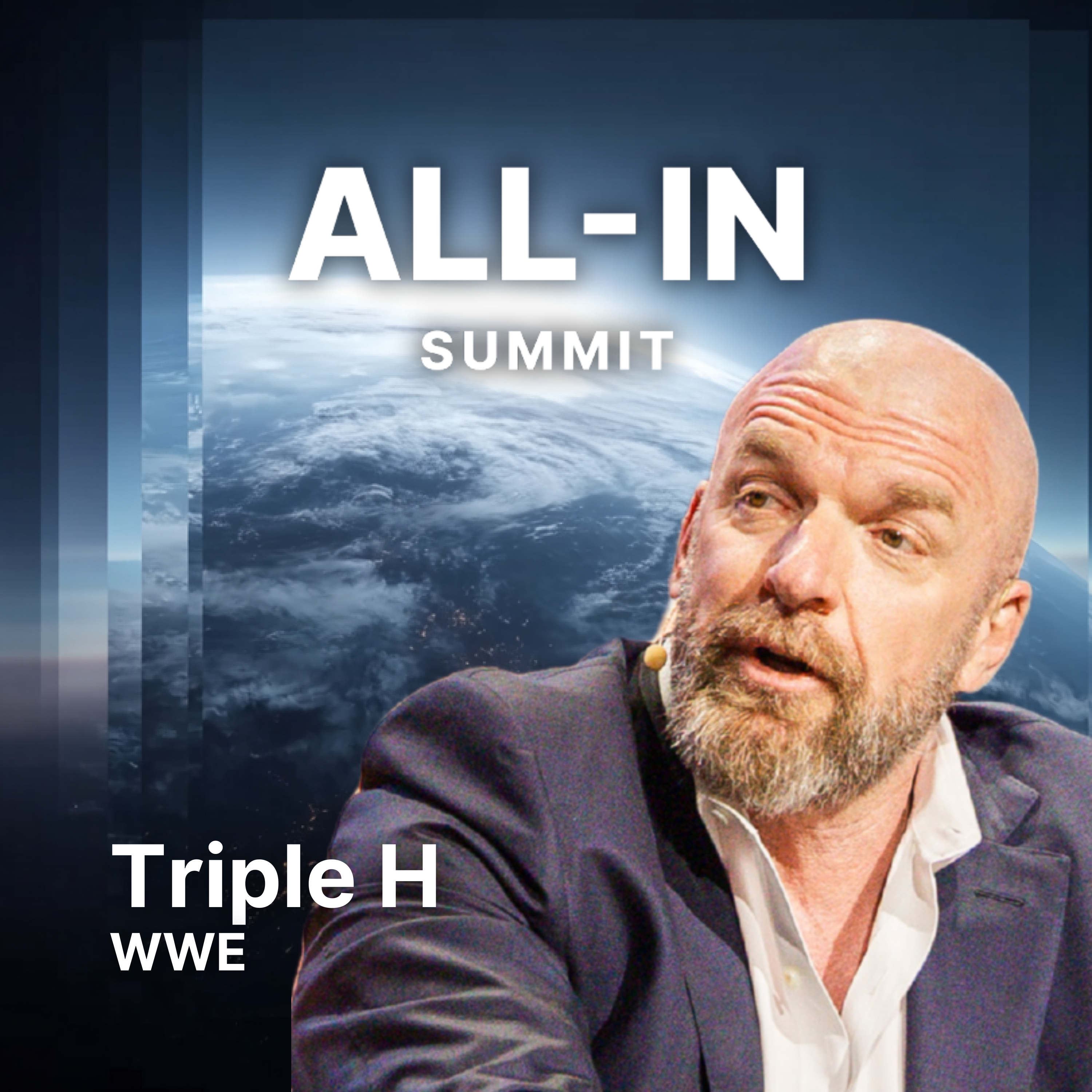
In an internet-savvy era, WWE's creative strategy involves blending a performer's true personality with their on-screen persona. This blurs the fourth wall, making audiences question what's real versus fantasy, which Paul Levesque says is when the product becomes 'magical' and most engaging.
The "authenticity" that makes video performers successful is a constructed performance of understanding an unseen audience while staring into a camera. It's a specific, under-theorized skill of transmission, not a reflection of one's true self, making the term "authentic" a misnomer for a calculated craft.
Features like uptalk and vocal fry in the 'lifestyle influencer' voice are not just for relatability but are algorithmic hacks. Dragging out syllables, a linguistic tactic called 'floor holding,' prevents dead air and keeps viewers engaged, boosting retention metrics.