Get your free personalized podcast brief
We scan new podcasts and send you the top 5 insights daily.
The 'Flat White or F Off' brand's core rule is one product. However, after their viral videos were flooded with comments asking for non-dairy options, they added oat milk. They realized ignoring overwhelming customer feedback was a greater business risk than slightly diluting brand purity.

Related Insights
The "Flat White or F Off" brand's core concept is a rebellion against the 'tyranny of choice.' By offering only a flat white, it simplifies the customer experience, speeds up service, and creates a powerful, memorable brand for consumers overwhelmed by complex menus.
Way's top-selling product was developed and marketed entirely by leveraging community feedback. They used humorous, user-generated scent descriptions from the comments section (e.g., "smells like you got upgraded to the pineapple suite") as their official ad copy, proving the power of crowdsourced marketing.
When stretching an iconic brand like Tim Hortons with celebrity partnerships, the leadership team proceeds "eyes wide open," accepting that not every customer will approve. This prevents analysis paralysis and allows the brand to evolve without being held captive by the need for universal consensus.

Instead of building a coffee shop, the founders tested their 'one-item menu' concept by creating a TikTok video and design mockups. The posts generated millions of impressions, confirming massive market interest and de-risking the venture before any significant capital was spent.
Resist the common marketing urge to stack features or "reasons to believe." Like the fast-growing Five Guys burger chain, focusing on a single, excellent offering can create a stronger brand and attract more customers than trying to appeal to everyone with a wide-ranging menu of products.

Taza avoided dairy and gluten not for a market trend, but to simplify a complex manufacturing process. This early operational decision inadvertently positioned them perfectly for the future rise of vegan and allergen-free consumer demands, creating a long-term competitive advantage they didn't foresee.
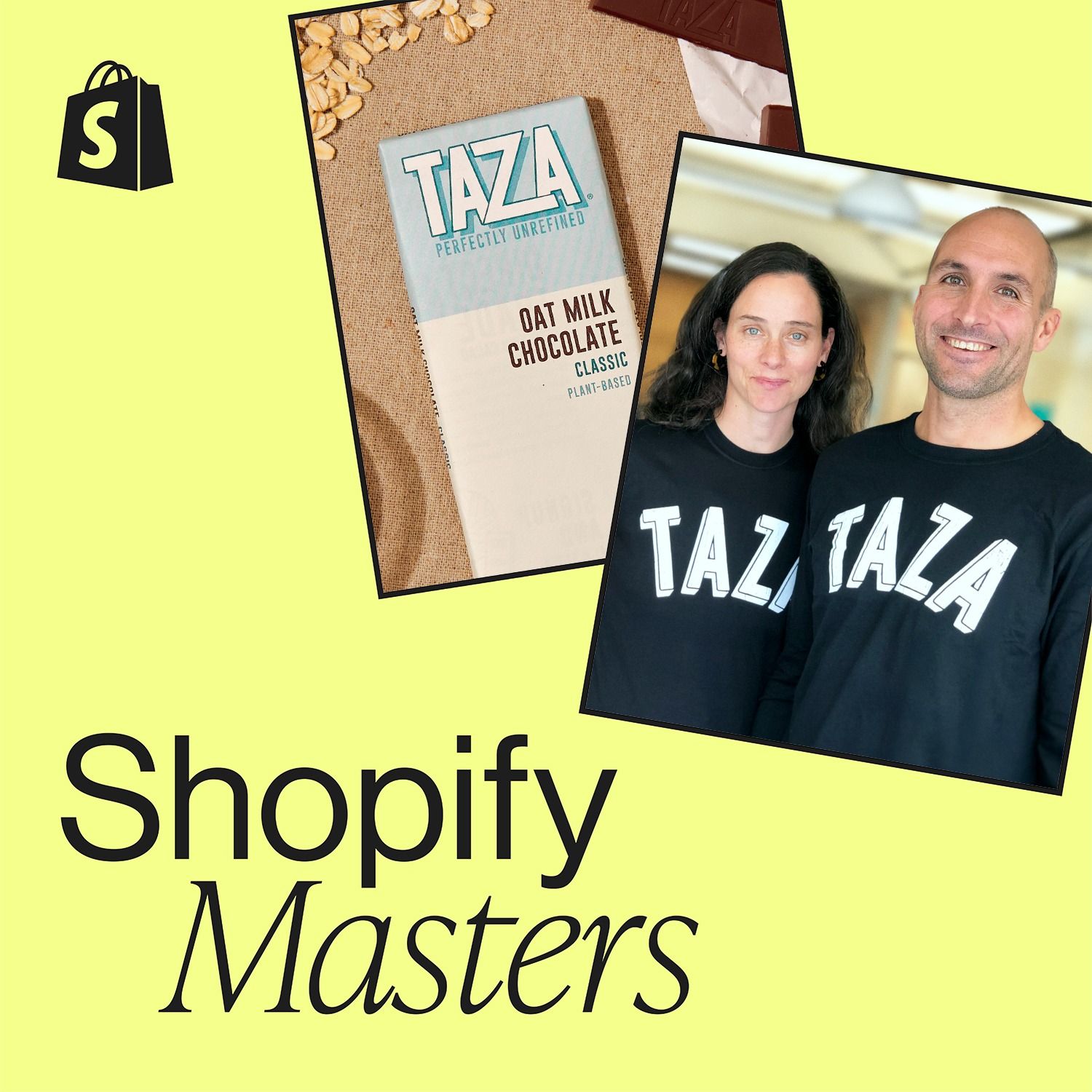
Taza resisted the huge trend of sugar-free chocolate because they couldn't create a version that met their high flavor standards. By refusing to compromise their core product principles, they maintained brand integrity, which was validated when consumer preference swung back to "real" ingredients.
FWFO analyzed customer data and found a consistent 60/40 split between dairy and oat milk orders. To maintain speed, they start preparing drinks as soon as a queue forms based on this ratio, ensuring a coffee is nearly ready the moment a customer pays.
The founders are extremely selective, rejecting most potential partnerships and opportunities. This discipline ensures every decision aligns with their long-term vision and values, preventing brand dilution and allowing them to grow in a way that feels organic and intentional.
The signal to switch from their main sandwich business to the side-hustle pita chips came from customers asking for extra bags to take home. This qualitative feedback was a more powerful indicator for Stacey's Pita Chips than early sales figures, prompting the full pivot.
