Get your free personalized podcast brief
We scan new podcasts and send you the top 5 insights daily.
Instead of using a co-packer, MadeGood built its own factory. This costly move was essential for guaranteeing their 'allergen-free' promise, allowing them to control the entire supply chain and manufacturing process, which provided peace of mind and brand integrity.

Related Insights
The conventional wisdom for CPG startups was to be "asset-light" and use co-packers. However, owning the supply chain provides crucial control over quality, production schedules, and cash flow, preventing startups from being pushed aside by a co-packer's larger clients. This control is now a key diligence point.

A frozen fry company built its own facility to control its unique process using beef tallow. This vertical integration ensures quality and creates a secondary revenue stream by wholesaling to other restaurants, described as a "sneaky wholesale business."
When leading beverage manufacturers refused to produce their unique, raw-ingredient recipe, the founders built their own bespoke manufacturing facility. This vertical integration was necessary to maintain product quality and bring their vision to market, despite the challenge of building two businesses at once.

By manufacturing in-house, Buy Rosie Jane maintained profitability and control over its cash flow. This vertical integration was the key that allowed the bootstrapped company to handle large purchase orders from major retailers like Anthropologie and Sephora without needing outside investment.
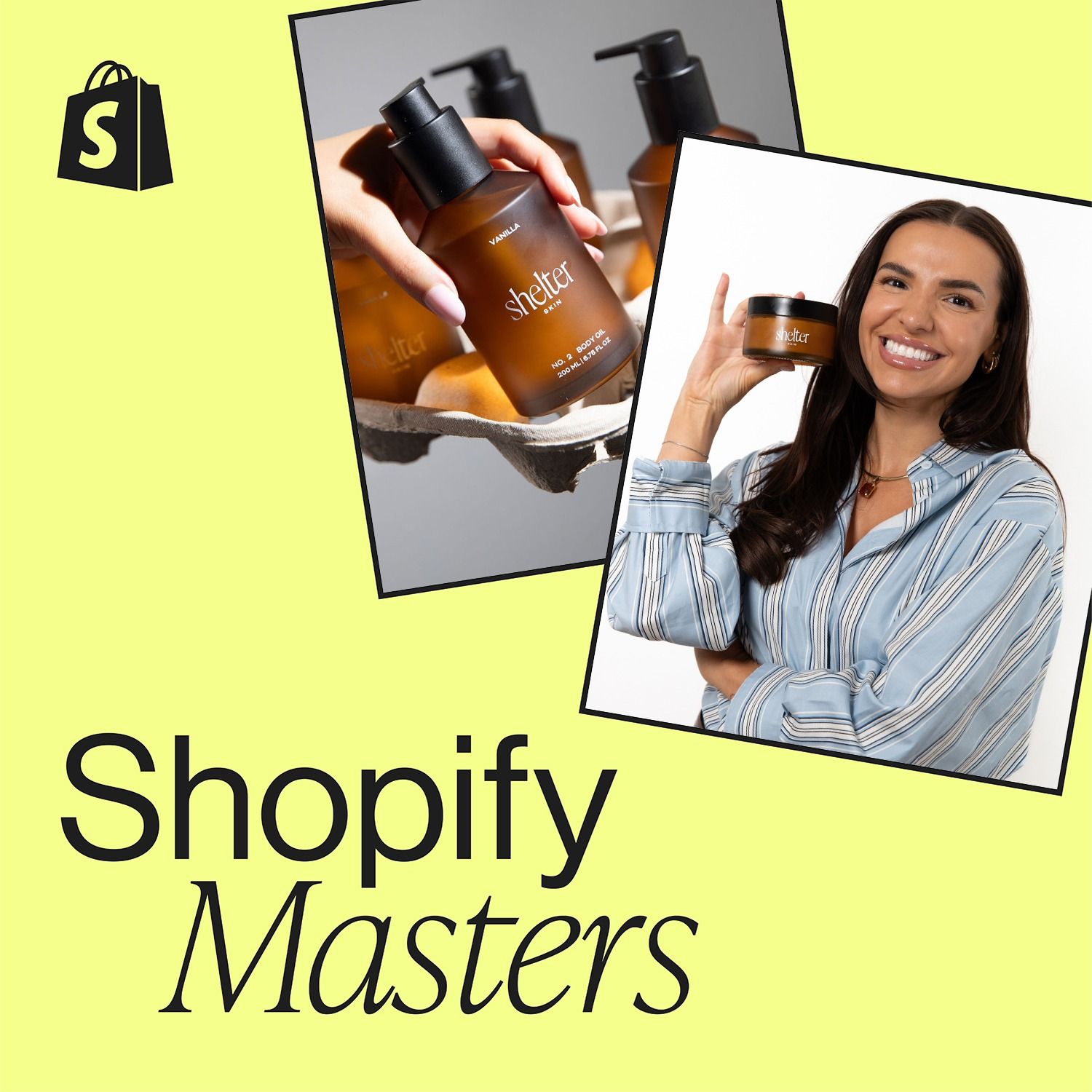
Founder Catherine Lockhart couldn't find a lab willing to work with her core ingredient (tallow) or meet her budget. She opted for the harder path of in-house manufacturing, which gave her full control over formulas and the ability to pivot quickly after launch issues.
Unlike competitors focused on "shaving pennies," Peter Thomas Roth's vertical integration (owning R&D and manufacturing) provides a key advantage. This allows them to incorporate more expensive, effective ingredients without conglomerate pressure, maintaining a commitment to product perfection and giving them a significant leg up in a competitive market.

A key competitive advantage for cocktail brand Buzz Balls was owning its supply chain. The founder brought the production of both the patented spherical plastic containers and the spirits in-house. This strategic move ensured quality and reliability, a challenge where most D2C founders fail by remaining dependent on co-packers.

After a partner changed a product's formula and wiped out his sales, Daniel Lubetzky learned a vital lesson. For KIND, he insisted on owning the recipes and controlling the manufacturing process to ensure brand consistency and prevent external decisions from destroying his business.
When contract manufacturers rejected making his nut butter squeeze packs due to allergy liability, Justin Gold saw an opportunity. He realized this barrier to entry meant that if he could build the manufacturing capability himself, he would face little to no competition.
Beyond capturing more profit margin, vertically integrating your supply chain is a powerful defensive move. It mitigates the risk of key suppliers failing and disrupting your operations. By owning critical production and distribution components, you gain proactive control over quality, supply, and your company's stability.
