Get your free personalized podcast brief
We scan new podcasts and send you the top 5 insights daily.
Guy Raz points out that if Sweet Loren's had already been a household name before 2017, suddenly going allergen-free would have seemed odd. Because growth was slow and regional, many shoppers first discovered the brand after it had already become allergen-free. The rebrand arrived before broad awareness, not after it.

Related Insights
When relaunching Lucozade with less sugar, openly discussing the change created a massive negative narrative. For Ribena's relaunch, they avoided mentioning the change and ran a positive campaign instead, leading to sales growth. Don't give consumers a reason to stop loving your brand.

MadeGood intentionally avoided branding itself solely as an 'allergen-free' product. They focused on great taste first, making the allergen-free aspect a secondary benefit. This prevented non-allergic consumers from self-selecting out and significantly broadened their market appeal.
After the allergen-free chocolate chunk dough launched in 2017, it became Sweet Loren's top SKU in six months. Lauren Castle saw no reason to keep two lines because the free-from version tasted as good or better, so she made the whole brand allergen-free. Package call-outs remained, but they were no longer the loudest message.
Late July launched just as the USDA Organic seal was created, allowing them to be one of the first brands built entirely around this new standard. This regulatory tailwind provided immediate market differentiation and consumer trust that would otherwise take years to build.
After years of small regional sales and product-market fit work, Sweet Loren's became fully profitable in 2018, the year it went all-in on allergen-free dough. Lauren Castle describes it as finally building a healthy, growing, differentiated business. Profitability followed the pivot, not the earlier growth alone.
For brands targeting customers with past negative experiences (e.g., fragrance for the allergy-prone), convincing them a product is safe is a slow process. A better strategy is to create a brand that appeals to everyone, which happens to also serve the niche.
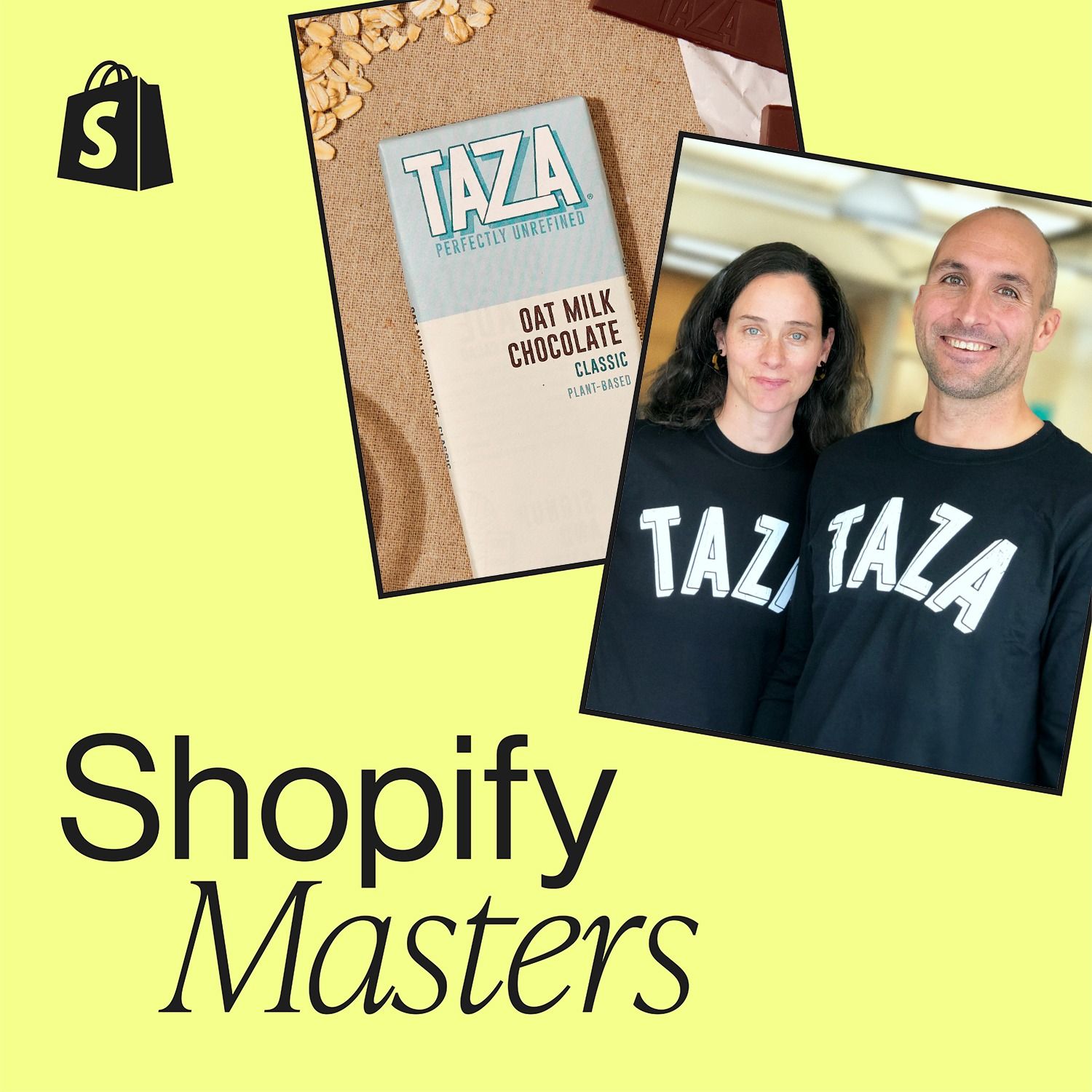
Taza avoided dairy and gluten not for a market trend, but to simplify a complex manufacturing process. This early operational decision inadvertently positioned them perfectly for the future rise of vegan and allergen-free consumer demands, creating a long-term competitive advantage they didn't foresee.
Lancer Skincare's plan for a coordinated rebrand event fell through. The CMO found the resulting gradual evolution was actually superior. This "modernization" felt more organic, allowing them to expand their demographic without the shock of a sudden overhaul.

While the founder focused on the "low sugar" aspect, a key buyer at Whole Foods recognized the rising "keto" trend was a more powerful market signal. Changing the packaging to highlight "keto friendly" allowed the brand to tap into a massive consumer movement, driving sales.
Instead of using a co-packer, MadeGood built its own factory. This costly move was essential for guaranteeing their 'allergen-free' promise, allowing them to control the entire supply chain and manufacturing process, which provided peace of mind and brand integrity.