Get your free personalized podcast brief
We scan new podcasts and send you the top 5 insights daily.
Existing project management systems (Jira, Linear) are valuable for tracking status but are passive recorders of work. The next generation of AI engineering tools must actively execute tasks, route artifacts between agents, and enforce quality gates. These two classes of tools are complementary, not competitive.
Related Insights
Linear is pivoting its core value proposition, arguing that traditional issue tracking is obsolete when an AI agent can fix a bug in minutes while the human approval process takes a week. Linear now aims to be the essential context layer that directs AI agents, shifting from managing tasks to orchestrating AI work.

Even though a tool like Linear owns project management 'intent' (tasks, issues), it lacks a natural advantage in building an 'execution' tool (the coding environment). The latter is a separate, complex domain, and open APIs allow any execution tool to ingest intent, leveling the playing field.

A key criterion for selecting tools is now their ability to be controlled by AI agents. Gabor chose Atlassian (Jira/Confluence) specifically because its Model-Component-Package (MCP) allows Claude Code agents to connect and operate the software directly, a critical factor for automating the development lifecycle.

Instead of forcing teams to adopt entirely new processes, Atlassian is integrating agentic capabilities into familiar tools like Jira. Allowing users to assign a standard work item to an AI agent minimizes disruption and friction, accelerating adoption by enhancing, rather than replacing, established workflows.

Project management tools like Jira are not obsolete; they are positioned to become the coordination layer for AI agents. As autonomous agents work together on complex tasks, they will require standardized, headless systems for project management and knowledge sharing, creating a new market for agent coordination.
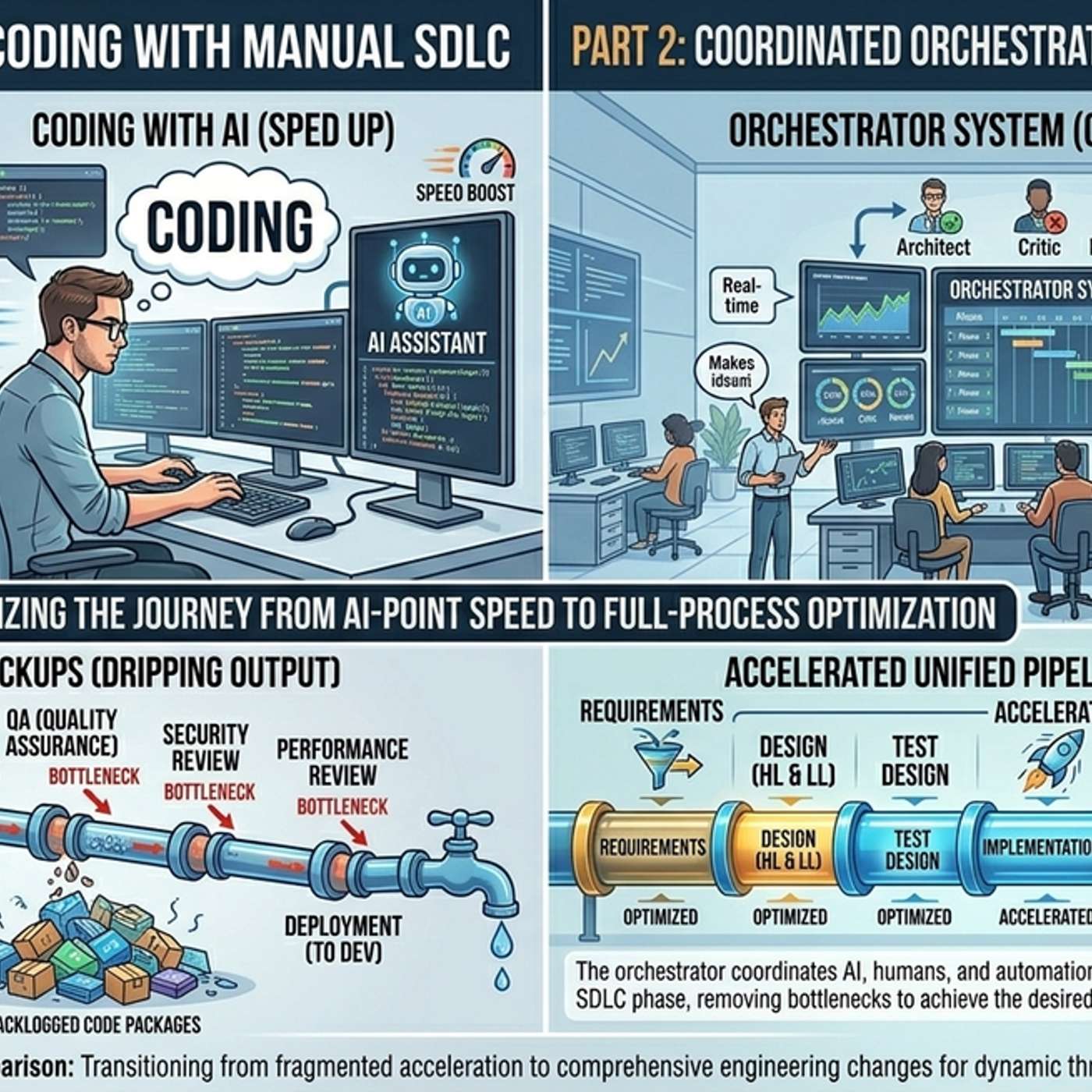
Walmart builds "orchestrator" AIs that act as project managers for other task-based agents (e.g., writing user stories). This system automates the product development lifecycle, from discovery to developer handoff, only alerting the human PM for key decisions or anomalies, dramatically boosting efficiency.

The ideal AI-powered engineering workflow isn't just one tool, but a fluid cycle. It involves synchronous collaboration with an AI for planning and review, then handing off to an asynchronous agent for implementation and testing, before returning to synchronous mode for the next phase.

As AI generates more code, the bottleneck is no longer writing but managing parallel streams of work from AI agents. This shift is making single-threaded editing tools like Cursor obsolete in favor of multi-agent management platforms like Superset, which orchestrate cloned codebases for each agent.
The AI agent is designed to act like a human team member within existing systems. It performs bi-directional updates in tools like Jira or Linear—adding comments, changing statuses, and assigning tickets. This seamless integration ensures human teams maintain visibility and that established processes aren't disrupted.
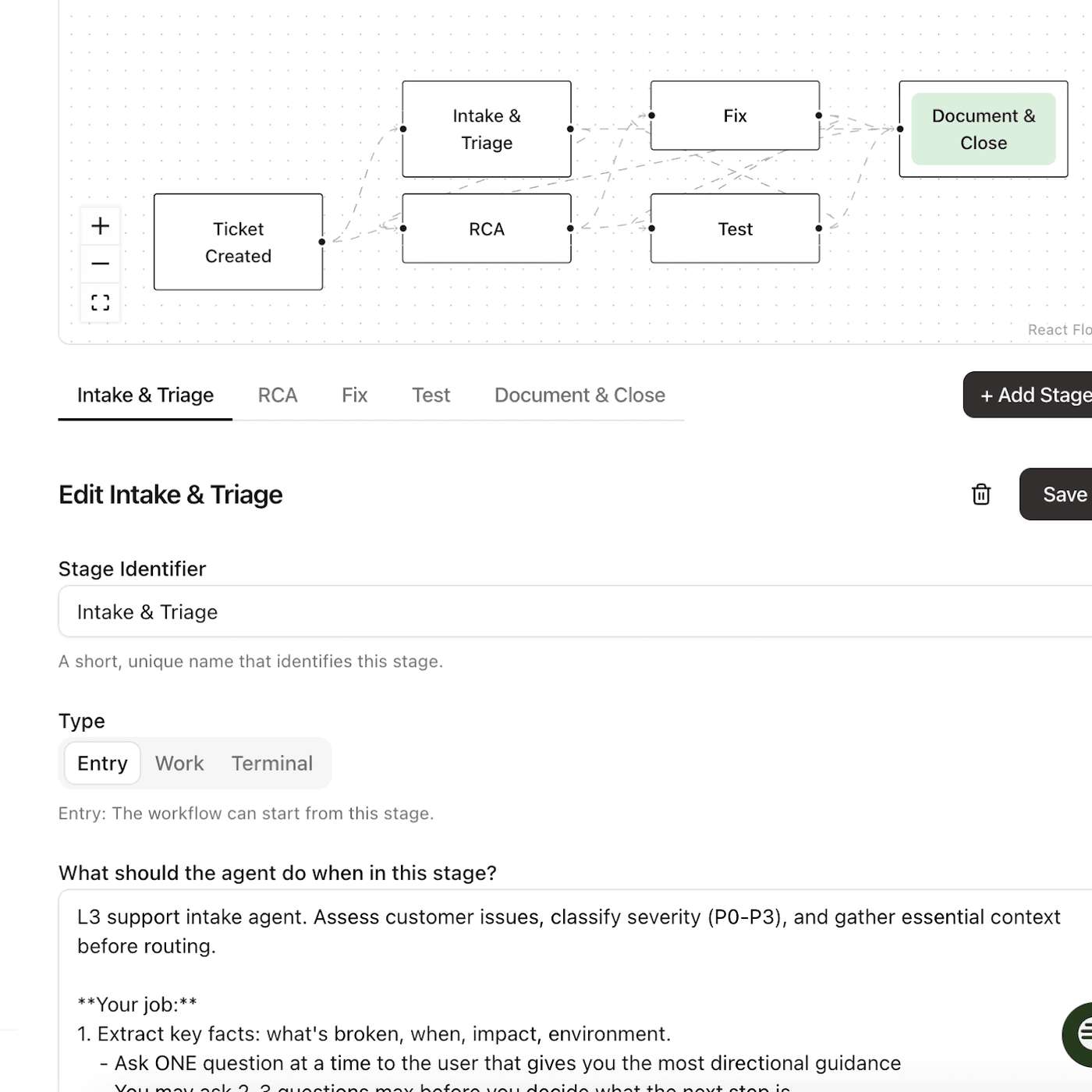
Use AI to manage its own development tasks. After a brain dump of project goals, have the AI create tickets in a tool like Linear. Then, let the AI work through the tickets and update its own statuses, significantly reducing your mental load and freeing you up for higher-level review.
