Get your free personalized podcast brief
We scan new podcasts and send you the top 5 insights daily.
Elements within the Trump administration are building direct ties with far-right opposition parties in Europe, like Germany's AfD. The goal is to help these groups gain power, potentially dismantle the EU, and serve the interests of deregulation-focused tech and crypto companies, marking a radical departure from traditional diplomacy.

Related Insights
The Trump administration's approach to foreign policy is not random chaos but a deliberate project by a surrounding team to destroy established institutions and replace them with a system benefiting ideologues, business allies, and authoritarian regimes, using the vacuum to profit.
The US foreign policy establishment is not driven by partisan ideology but by strategic interests. It will fund contradictory groups—from right-wing Ukrainian nationalists to progressive artists—if they serve the immediate goal of destabilizing a region to secure economic or military advantages.

The electoral success of Germany's far-right AFD party creates a political paradox. Since no mainstream party will form a coalition with them, traditional rivals like the conservative CDU and far-left Die Linke may be forced to cooperate to form governments, despite their mutual animosity.

Germany's far-right AfD party may be able to form a government thanks to the BSW, a populist-left party. The BSW is the only party that has not ruled out working with the AfD, potentially on shared interests like easing sanctions on Russia. This unusual potential alliance could enable the AfD to take power.

The true threat from Europe's far-right isn't their electoral success, but the "pollution" of mainstream center-right parties with their nationalist ideas. Mainstream leaders are adopting anti-EU integration stances and rowing back on collective policies, threatening European unity more effectively than fringe parties could alone.

A new US national security document signals a radical foreign policy shift. It explicitly states the US will support "right wing, far right and populist right parties" in Europe that align with its anti-immigration stance, effectively interfering in the domestic politics of allied nations to promote a "MAGA like" Europe.
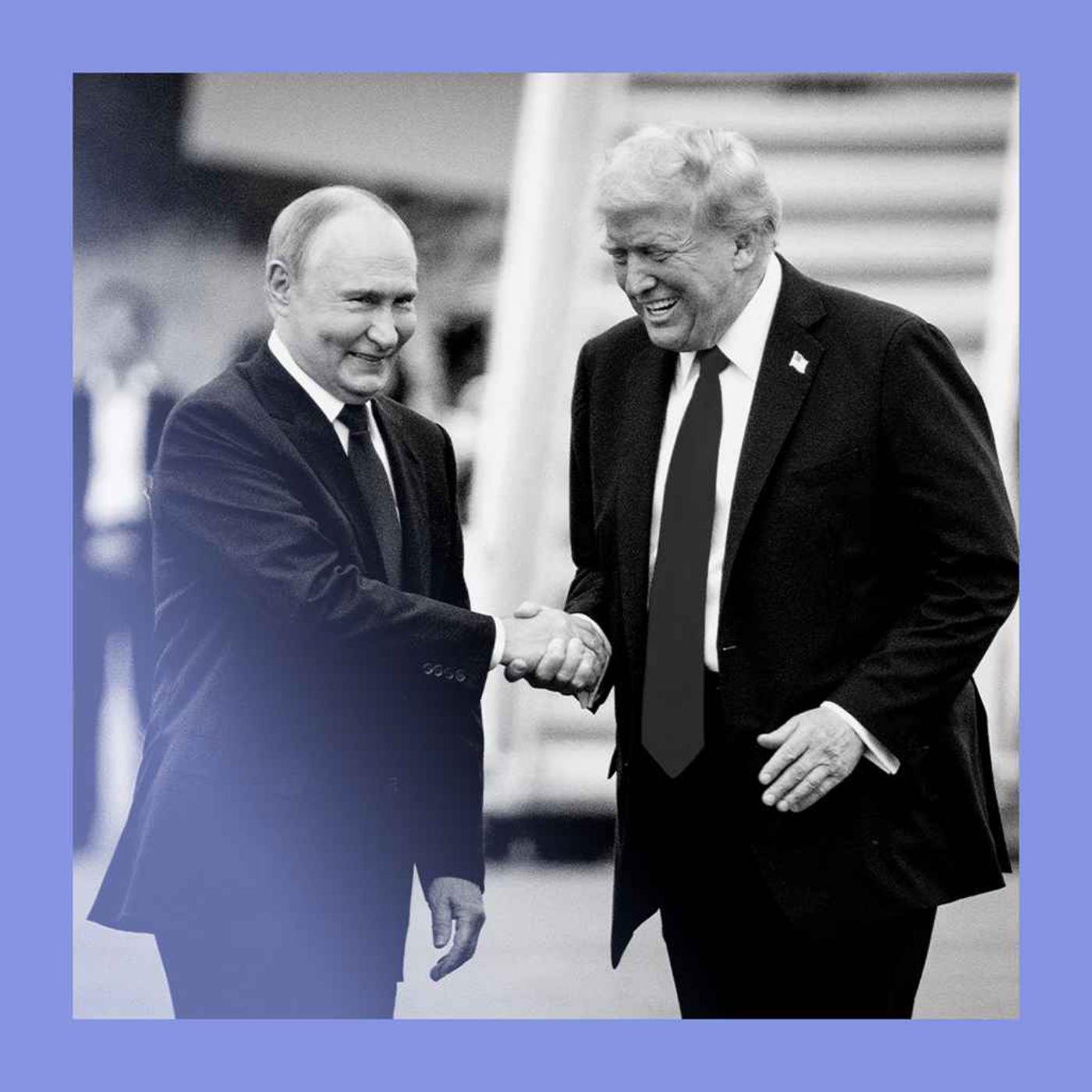
Alexander Stubb posits that recent US foreign policy is uniquely driven by a specific "MAGA" ideology that is fundamentally anti-international order and condescending towards liberal Europe. Understanding this ideological root, beyond just transactional policy, is crucial for allies navigating the relationship with Washington.
Europe faces a dual threat: an aggressive Russia waging hybrid warfare on its eastern flank, and a Trump-led America that actively prefers a fragmented, weaker Europe. A disunified EU allows the U.S. to cut more favorable bilateral deals, leaving Europe vulnerable from both sides without its traditional transatlantic security guarantee.

Trump is not an isolated phenomenon but a vessel for a broader, international right-wing movement. His talking points on immigration and 'special operations' mirror the language used by authoritarians like Viktor Orbán in Hungary and Vladimir Putin in Russia. This global playbook is tested in 'laboratories of autocracy' worldwide before being deployed in the U.S.

The administration's aggressive, unilateral actions are pushing European nations toward strategic autonomy rather than cooperation. This alienates key partners and fundamentally undermines the 'Allied Scale' strategy of building a collective economic bloc to counter adversaries like China.
