Get your free personalized podcast brief
We scan new podcasts and send you the top 5 insights daily.
The true threat from Europe's far-right isn't their electoral success, but the "pollution" of mainstream center-right parties with their nationalist ideas. Mainstream leaders are adopting anti-EU integration stances and rowing back on collective policies, threatening European unity more effectively than fringe parties could alone.

Related Insights
Jordan Bardella’s European policy is not just critical of the EU; it’s a direct and deliberate confrontation with Germany. He explicitly described the EU as 'an association to defend the interests of Germany,' positioning his 'France First' agenda as a necessary fight against German dominance within the bloc.

The global rise of right-wing populism cannot be solely attributed to economic factors like inequality or job loss. Its prevalence in wealthy, low-inequality nations like Sweden and strong manufacturing countries like Germany proves the root cause is a deeper, more widespread cultural anxiety.

The Euro was created with monetary union first, assuming political and fiscal union would follow; they haven't. Now, with nationalist governments rising across Europe, the project's core conflict is exposed. A shared currency managed by inwardly-focused national interests is a fundamentally unstable structure.

Americans misinterpret European politics by projecting their definition of race. In Europe, 'race' is tied to nationality and culture. This leads to a centrist, deep-seated bias against all outsiders, making Europe one of the most anti-immigration places in the world, even among its political left.

A new US national security document signals a radical foreign policy shift. It explicitly states the US will support "right wing, far right and populist right parties" in Europe that align with its anti-immigration stance, effectively interfering in the domestic politics of allied nations to promote a "MAGA like" Europe.
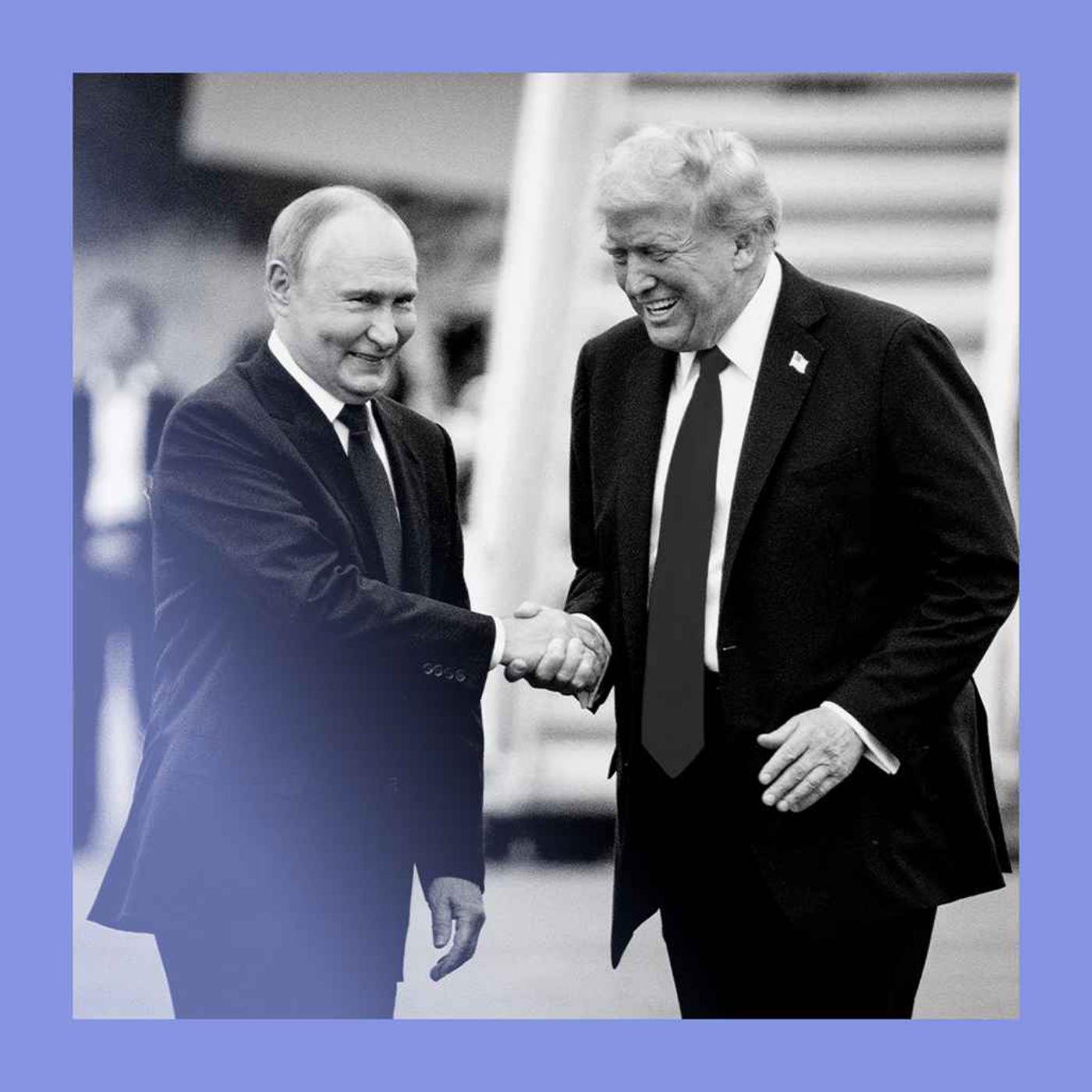
Instead of isolating Nigel Farage's populist movement, the UK's Conservative Party adopted many of its core tenets, such as Brexit and anti-immigration stances. This strategy of assimilation blurred ideological lines, making a future coalition with Reform UK more palatable internally.

Mainstream German parties refuse to form coalitions with the far-right AfD. While this keeps the AfD from power, it also removes any incentive for them to moderate, potentially encouraging radicalization and leading to legislative gridlock among centrist parties.
The notion that identitarianism is exclusive to the left ("woke") is outdated. A powerful, mirrored version has solidified on the right ("Groypers"), indicating that identity-based politics has become a central, and polarizing, framework across the entire political spectrum.
In France, centrist parties are trapped. Treating the populist National Rally as a pariah has failed to stop its growth. Conversely, treating it as a respectable political opponent has also boosted its popularity, creating a strategic dead-end for the mainstream.
A key paradox of modern populism is that staunch nationalists like Nigel Farage, the "godfather of Brexit," honed their political skills and built crucial alliances within the very transnational institutions, like the European Parliament, that they aimed to dismantle.