Get your free personalized podcast brief
We scan new podcasts and send you the top 5 insights daily.
Trump is not an isolated phenomenon but a vessel for a broader, international right-wing movement. His talking points on immigration and 'special operations' mirror the language used by authoritarians like Viktor Orbán in Hungary and Vladimir Putin in Russia. This global playbook is tested in 'laboratories of autocracy' worldwide before being deployed in the U.S.

Related Insights
The Trump administration's strategy for control isn't writing new authoritarian laws, but aggressively using latent executive authority that past administrations ignored. This demonstrates how a democracy's own structures can be turned against it without passing a single new piece of legislation, as seen with the FCC.

The global rise of right-wing populism cannot be solely attributed to economic factors like inequality or job loss. Its prevalence in wealthy, low-inequality nations like Sweden and strong manufacturing countries like Germany proves the root cause is a deeper, more widespread cultural anxiety.

The appeal of a populist leader lies in their rejection of traditional political norms. When the electorate feels betrayed by the established "political class," they gravitate toward figures whose rhetoric is a deliberate and stark contrast, signaling they are an outsider.

The U.S. political landscape is increasingly adopting authoritarian rhetoric and tendencies. However, this shift comes without any of the supposed upsides of authoritarianism, such as hyper-efficient infrastructure or public order. The result is a dysfunctional "authoritarianism without the good stuff."

Mapping Trump solely as a self-serving politician is incomplete. His behavior is better understood as a combination of a narcissist who seeks power and a patriot who genuinely wants to impose law and order, leading him to use extreme methods.

A new US national security document signals a radical foreign policy shift. It explicitly states the US will support "right wing, far right and populist right parties" in Europe that align with its anti-immigration stance, effectively interfering in the domestic politics of allied nations to promote a "MAGA like" Europe.
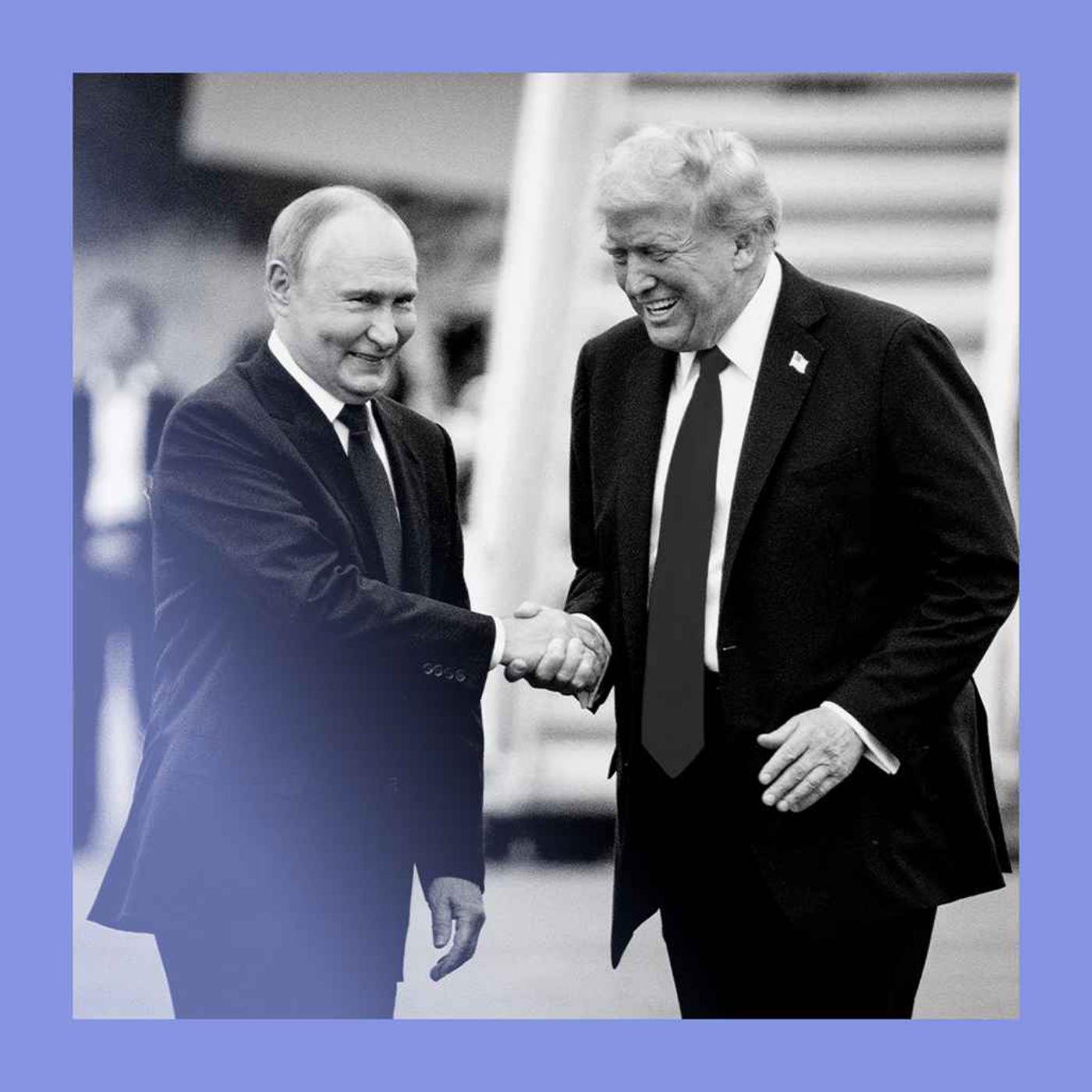
Marco Rubio articulated Trump's foreign policy as a 'spheres of influence' model, a modern Monroe Doctrine. This framework cedes global leadership, envisioning a world where the U.S. controls the West, Russia controls its territory and Europe, and China controls Asia. This marks a fundamental shift from America's post-WWII role as a global superpower to a regional one.
Figures like Donald Trump don't create populist movements; they rise by capitalizing on pre-existing societal problems like economic despair. Focusing on removing the leader ignores the root causes that allowed them to gain power, ensuring another similar figure will eventually emerge.

The notion that identitarianism is exclusive to the left ("woke") is outdated. A powerful, mirrored version has solidified on the right ("Groypers"), indicating that identity-based politics has become a central, and polarizing, framework across the entire political spectrum.
The administration's aggressive posture in Latin America is framed not by traditional security interests but by a desire to curb migration. This reflects a core white nationalist belief that demographic shifts pose an existential threat to the US, making immigration control a primary national security objective, viewing Venezuela as an exporter of people, not oil.