Get your free personalized podcast brief
We scan new podcasts and send you the top 5 insights daily.
While the influx of Chinese EV brands like BYD into Europe gets attention, the greater financial damage to European manufacturers comes from losing market share within China itself. Chinese consumers are increasingly choosing local brands out of national pride, eroding a once-lucrative export market for companies like Porsche.

Related Insights
Chinese companies are circumventing potential EU tariffs by establishing manufacturing plants within Europe, particularly in the auto and green tech sectors. This FDI strategy, mirroring Japan's 1980s U.S. expansion, bypasses import duties, intensifies local competition, and renders traditional trade barriers less effective.

China is repeating its long-standing strategy of subsidizing key industries and dumping cheap products into global markets, this time targeting Europe. This surge in imports is threatening to destroy Germany's core industrial sectors like automotive and chemicals.

Intended to help struggling European automakers, the EU's decision to relax its ban on petrol cars creates a vulnerability. This policy shift may inadvertently benefit Chinese manufacturers, whose popular hybrid vehicles are gaining significant market share in Europe and are not subject to the same hefty tariffs as pure EVs.
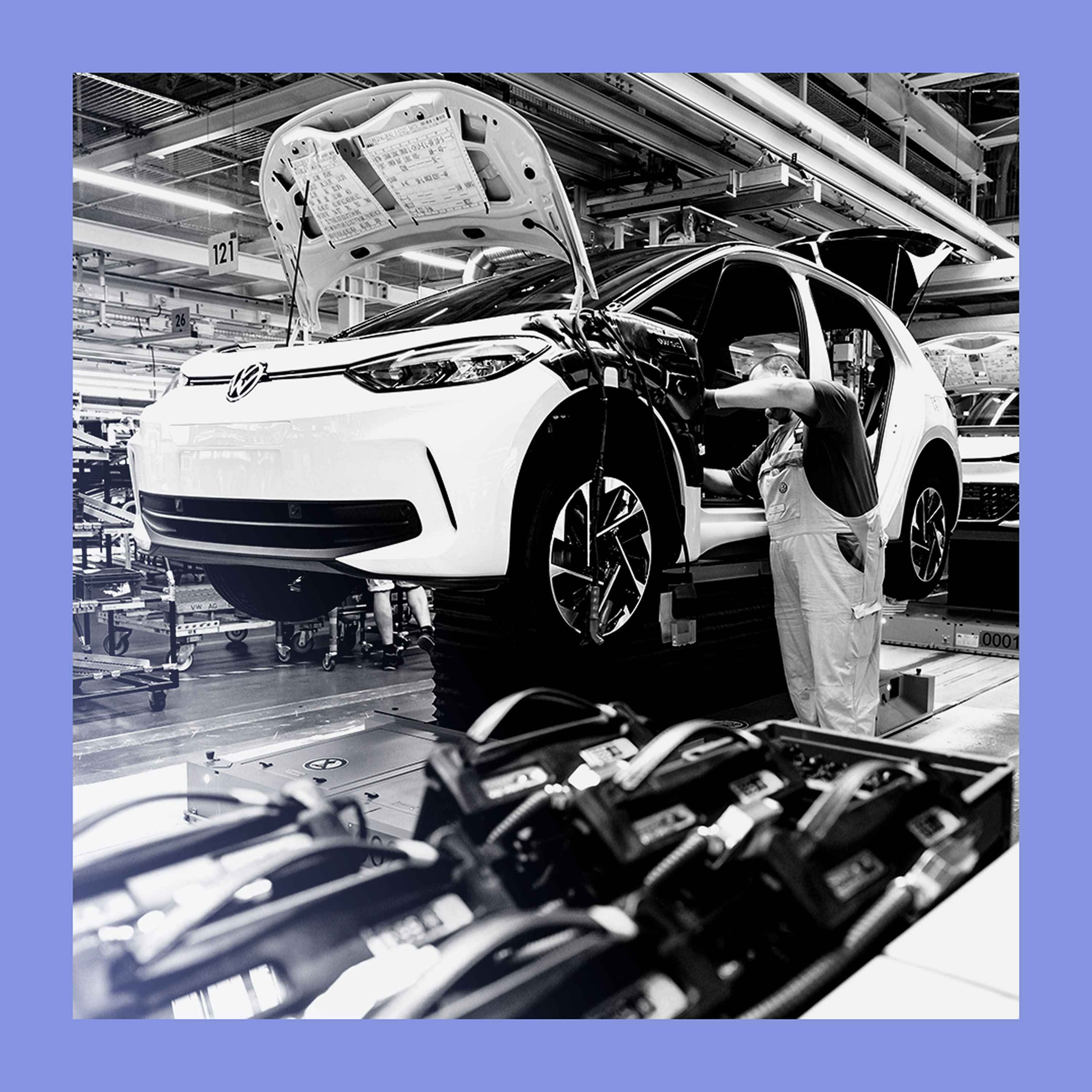
German automaker Volkswagen can now develop and build an electric vehicle in China for half the cost of doing so elsewhere. This shift from simple manufacturing to localized R&D—the "innovate in China for the world" model—signifies a dangerous hollowing out of core industrial capabilities and high-value jobs in Western economies.

Despite overtaking Tesla, BYD's growth faces significant threats. Domestically, China is reducing EV purchase tax exemptions, potentially dampening demand. Globally, the influx of cheap Chinese EVs is likely to trigger protectionist trade barriers in key markets like the EU, limiting export growth.

A persistent headwind for European markets is the dual impact of rising Chinese competition and weak demand from China. For the past several years, this single factor has been responsible for a staggering 60% to 90% of all earnings downgrades across the European index, particularly hitting sectors like chemicals and autos.

European automakers, heavily invested in combustion engines and hampered by regulations that stifle new entrants, are ill-equipped to compete with China's cheaper, superior electric vehicles. This creates an existential threat to a cornerstone of Europe's industrial economy.
Instead of building brands from scratch, Chinese manufacturing giants are acquiring struggling but historically significant Western companies. This strategy allows them to instantly inherit brand legacy, consumer trust, and market access that would otherwise take decades to develop.

For the first time, a major Chinese automaker (BYD) is selling more cars abroad than in its hypercompetitive home market. This critical milestone demonstrates that Chinese industrial giants can successfully pivot to global markets to escape intense domestic price wars, setting a precedent for other sectors.

China's relentless export growth, particularly in sectors like EVs, isn't just a top-down government strategy. It's fueled by private companies that must export to survive amidst a severe domestic slowdown. This bottom-up pressure makes any government-led pivot to domestic consumption practically impossible.
