Get your free personalized podcast brief
We scan new podcasts and send you the top 5 insights daily.
Chinese companies are circumventing potential EU tariffs by establishing manufacturing plants within Europe, particularly in the auto and green tech sectors. This FDI strategy, mirroring Japan's 1980s U.S. expansion, bypasses import duties, intensifies local competition, and renders traditional trade barriers less effective.

Related Insights
The trend of moving manufacturing to countries like Mexico or Vietnam to avoid China tariffs is often driven by Chinese companies themselves. They establish clone factories abroad, sometimes with Chinese labor, meaning the economic benefits largely still flow back to China.

China is repeating its long-standing strategy of subsidizing key industries and dumping cheap products into global markets, this time targeting Europe. This surge in imports is threatening to destroy Germany's core industrial sectors like automotive and chemicals.
Intended to help struggling European automakers, the EU's decision to relax its ban on petrol cars creates a vulnerability. This policy shift may inadvertently benefit Chinese manufacturers, whose popular hybrid vehicles are gaining significant market share in Europe and are not subject to the same hefty tariffs as pure EVs.
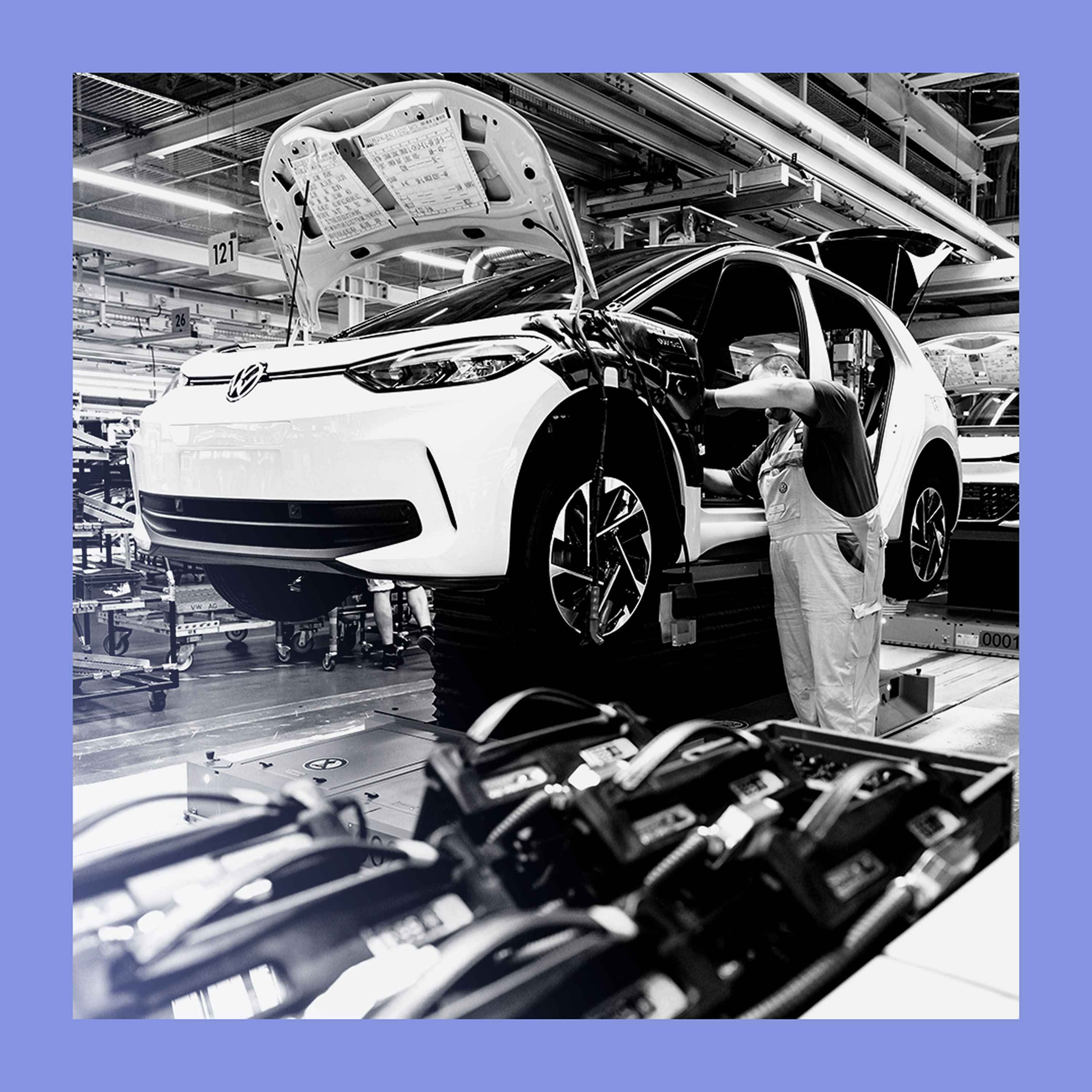
The biopharma outsourcing sector has proven surprisingly resilient to international tariffs. Instead of absorbing costs, well-funded European companies are bypassing tariffs altogether by investing in and building new production facilities directly on U.S. soil, effectively onshoring their manufacturing.

Beyond typical trade issues like tariffs, Beijing's negotiating strategy with the U.S. has evolved. A key demand is securing the ability for Chinese national champions like BYD (EVs) and CATL (batteries) to build and operate manufacturing plants, either as joint ventures or wholly-owned entities, within the United States.

European automakers, heavily invested in combustion engines and hampered by regulations that stifle new entrants, are ill-equipped to compete with China's cheaper, superior electric vehicles. This creates an existential threat to a cornerstone of Europe's industrial economy.
Instead of exporting goods subject to tariffs, a growing number of Asian brands like Jollibee and Luckin Coffee are establishing a physical presence in the U.S. This strategy of direct investment in American retail and operations represents a significant shift, creating a "win-win" that is less vulnerable to political trade disputes.

A full-blown EU-China trade war is unlikely because Germany's largest multinationals are heavily dependent on the Chinese market. These powerful companies are lobbying the German government to prevent aggressive tariffs, creating an internal brake on EU policy to protect their significant business interests from Chinese retaliation.
Despite significant US tariffs hitting labor-intensive goods, China's overall export volume remains strong. This resilience stems from a structural shift towards high-tech sectors like semiconductors and autos, combined with strategically rerouting trade through intermediary ASEAN countries to circumvent direct tariffs.

Siemens mitigates geopolitical risks and tariffs not just by being global, but by being hyper-local. Its CEO reveals that 85-87% of its production in major markets like the US and China is for that market, minimizing cross-border dependencies and the direct impact of trade wars.
