Get your free personalized podcast brief
We scan new podcasts and send you the top 5 insights daily.
Intended to help struggling European automakers, the EU's decision to relax its ban on petrol cars creates a vulnerability. This policy shift may inadvertently benefit Chinese manufacturers, whose popular hybrid vehicles are gaining significant market share in Europe and are not subject to the same hefty tariffs as pure EVs.
Related Insights
While the loss of the tax credit will hurt sales short-term, it also removes the "government mandate" attack line used by politicians. This forces EVs to be judged as just another car, allowing them to compete on their own merits like lower operating costs and better performance.

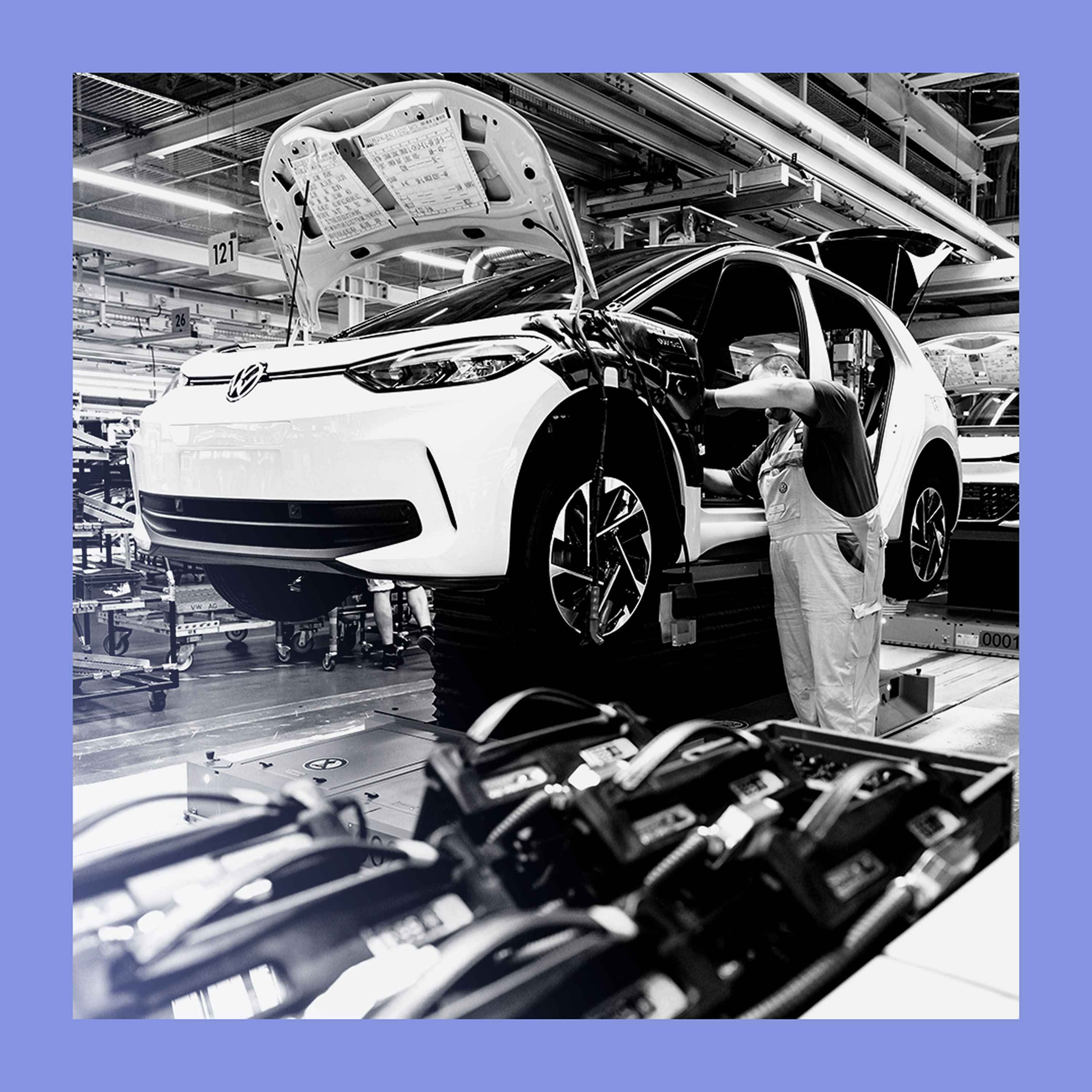
German automaker Volkswagen can now develop and build an electric vehicle in China for half the cost of doing so elsewhere. This shift from simple manufacturing to localized R&D—the "innovate in China for the world" model—signifies a dangerous hollowing out of core industrial capabilities and high-value jobs in Western economies.

Beyond the US-China rivalry, a new front is opening between Brussels and Beijing. Incidents like the French suspension of fashion retailer Shein are not isolated but symptomatic of growing European mistrust and a willingness to take action. This signals a potential fracturing of global trade blocs and increased regulatory risk for Chinese firms in the EU.

While China bans many US tech giants, it welcomed Tesla. A compelling theory suggests this was a strategic move to observe and learn Tesla's methods for mass-producing EVs at scale, thereby accelerating the development of domestic champions like BYD, mirroring its past strategy with Apple's iPhone.

Uber's CEO argues China's EV dominance is a product of a unique hybrid model. The government sets a top-down strategic goal, but then over 100 domestic companies engage in "brutal," bottoms-up competition. The winners, like BYD, emerge battle-tested and highly innovative.

A persistent headwind for European markets is the dual impact of rising Chinese competition and weak demand from China. For the past several years, this single factor has been responsible for a staggering 60% to 90% of all earnings downgrades across the European index, particularly hitting sectors like chemicals and autos.

The credit's requirements for North American manufacturing and sourcing from trade partners were designed to counter China's dominance in the EV supply chain. Its elimination undermines this strategic goal, leaving tariffs as the primary, less effective tool.
Europe faces a critical conflict between its ambitious net-zero targets and its economic health. High energy costs and a heavy regulatory burden, designed without market realities in mind, are causing companies to close facilities or move investment to the U.S., forcing a difficult reassessment.

Ford's decision to end its flagship F-150 Lightning EV program and pivot toward a 50% hybrid fleet by 2030 is a major signal that the mainstream US auto market is not ready for a full EV transition. It shows that the most viable near-term strategy for legacy automakers is the 'Goldilocks' hybrid option.

Without government incentives to offset high costs, American carmakers like Ford are now forced to pursue radical manufacturing innovations and smaller vehicle platforms, directly citing Chinese competitors like BYD as the model for profitable, affordable EVs.