Get your free personalized podcast brief
We scan new podcasts and send you the top 5 insights daily.
The TMJ jaw massager thrives by serving a community that feels dismissed by traditional medicine. When people with chronic conditions are told to just "de-stress," they seek specialized products and communities where they feel understood and validated, creating powerful brand loyalty.

Related Insights
Instead of marketing to fragmented individuals, find niche communities whose core values align with your product's unique benefits. Converting these groups, like scrapbookers for a no-tape gift wrap, can spread your message like wildfire because they are powerful word-of-mouth amplifiers.

New brands should resist targeting a broad audience. Instead, focus on a specific niche (e.g., Hyrox athletes for a health device) where the product's value is clearly demonstrable. This builds a strong story and credibility that can be leveraged for future expansion into other markets.

Instead of viewing niching as restricting business, adopt the "FOCUS" mindset: Fix One Clearly Urgent Struggle. This forces you to solve a high-value problem for a specific audience, which positions you as a category of one, much like the water brand Liquid Death.

The definition of "culture" is often limited to what's popular or "cool" in mainstream media. However, enormous, passionate cultures exist in niche verticals like fishing or hunting. Tapping into these overlooked communities can be a powerful branding strategy.

When entering a market with existing communities (like Reddit or Facebook), don't just create another generic group. Juno found success by solving the flaws of incumbents—anonymity and chaos—by connecting users on a deeper level through shared hobbies and personal stories, not just their common medical condition.

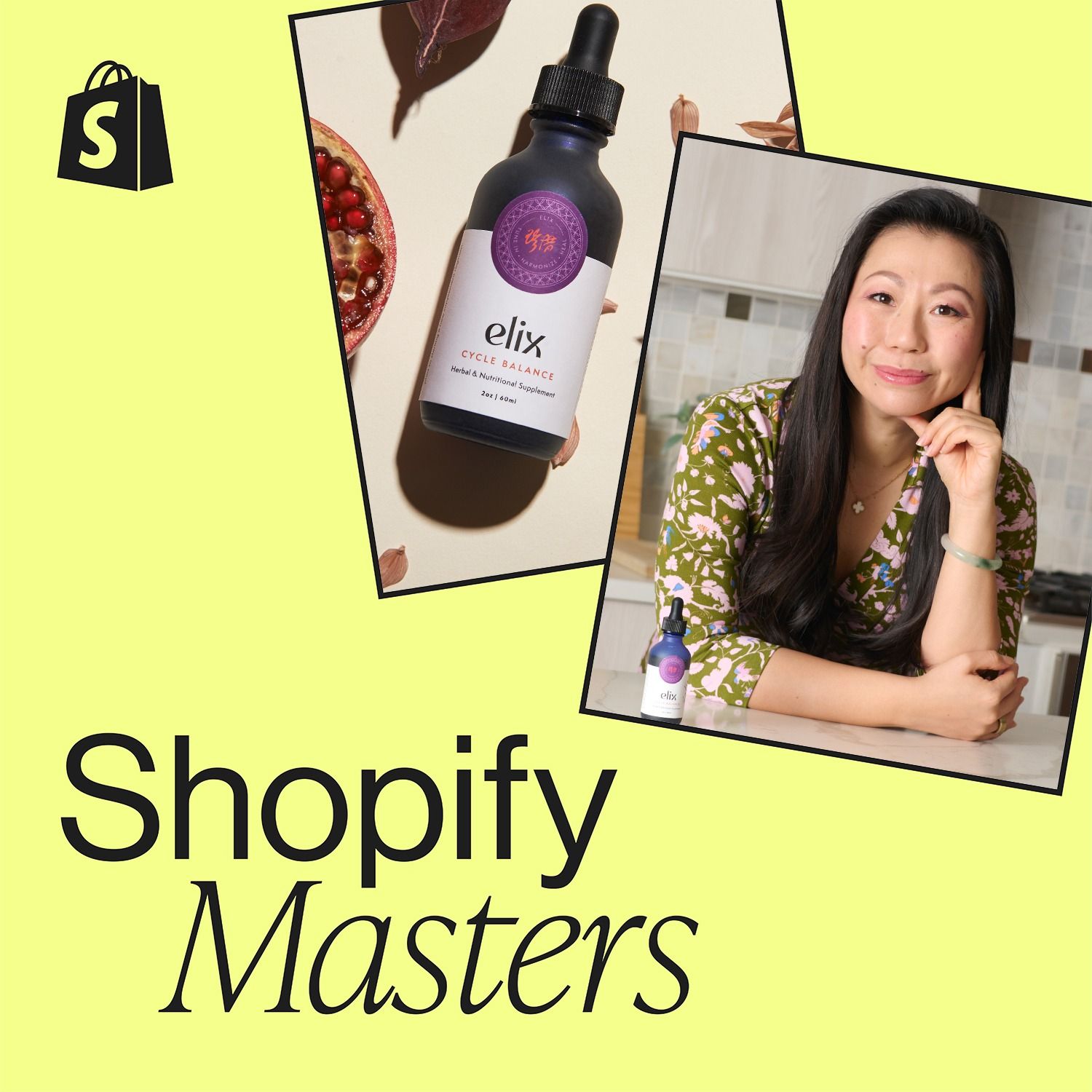
During a period of rising anti-Chinese sentiment, Elix discovered its greatest strength was its heritage. Customers were drawn to the unique educational framework of Chinese medicine for understanding their bodies, proving that leaning into a niche identity can be a powerful differentiator.
Jason Burnt deliberately avoids the larger cosmetic eyebrow market, instead expanding his product line *within* his core niche of medical hair loss (e.g., for sparse brows). This "inch wide, a mile deep" strategy strengthens his brand and avoids diluting his core message to his target audience.

UNTUCKit's founder advises a DTC shorts brand to focus on its initial niche (volleyball players) rather than immediately trying to be "shorts for everyone." A strong, focused brand identity built around a core community is the necessary foundation for broader appeal.
For a niche product like non-fluoride toothpaste, the strategy is not to change everyone's habits at once. Instead, hyper-focus on a pre-existing community—a 'tribe' that already shares strong beliefs and will act as natural evangelists, amplifying the product's message organically within their network.
Instead of broad marketing, the founder saw immediate traction when a user shared his product in a highly targeted online community. This demonstrates how tapping into a niche group with a specific, unsolved problem can create powerful early momentum.