Get your free personalized podcast brief
We scan new podcasts and send you the top 5 insights daily.
When entering a market with existing communities (like Reddit or Facebook), don't just create another generic group. Juno found success by solving the flaws of incumbents—anonymity and chaos—by connecting users on a deeper level through shared hobbies and personal stories, not just their common medical condition.

Related Insights
Many founders struggle with initial user acquisition. By building a tool for a community you are already embedded in due to personal experience, as Kirstin Maurer did with ALS Care Companion, you gain a natural, trusted distribution channel and a profound understanding of user needs, creating a strategic advantage.

Instead of marketing to fragmented individuals, find niche communities whose core values align with your product's unique benefits. Converting these groups, like scrapbookers for a no-tape gift wrap, can spread your message like wildfire because they are powerful word-of-mouth amplifiers.

The biggest opportunity in the community space isn't broad platforms but hyper-niche online and IRL groups. A Discord server for dads playing the video game 'Marathon' attracted nearly 14,000 members, proving a massive, unmet demand for connection within highly specific, shared-interest demographics.

Established subreddits like r/skincareaddiction have millions of engaged users. It's far more effective for a brand to provide value within these existing conversations than to attempt the difficult task of building a new community from scratch, which often feels forced and inauthentic.

Substack's founder doesn't see it as replacing other social networks but as a distinct "city" with a unique culture—intellectual and cosmopolitan. This framing attracts a specific type of user and creator, differentiating it from "cities" like TikTok or Twitter.
To get users to spread the word, your product can't be a slightly better version of an existing tool. It must be sufficiently different in ways that create unique value for a specific customer segment. Trying to be everything to everyone dilutes this effect and stifles organic growth.

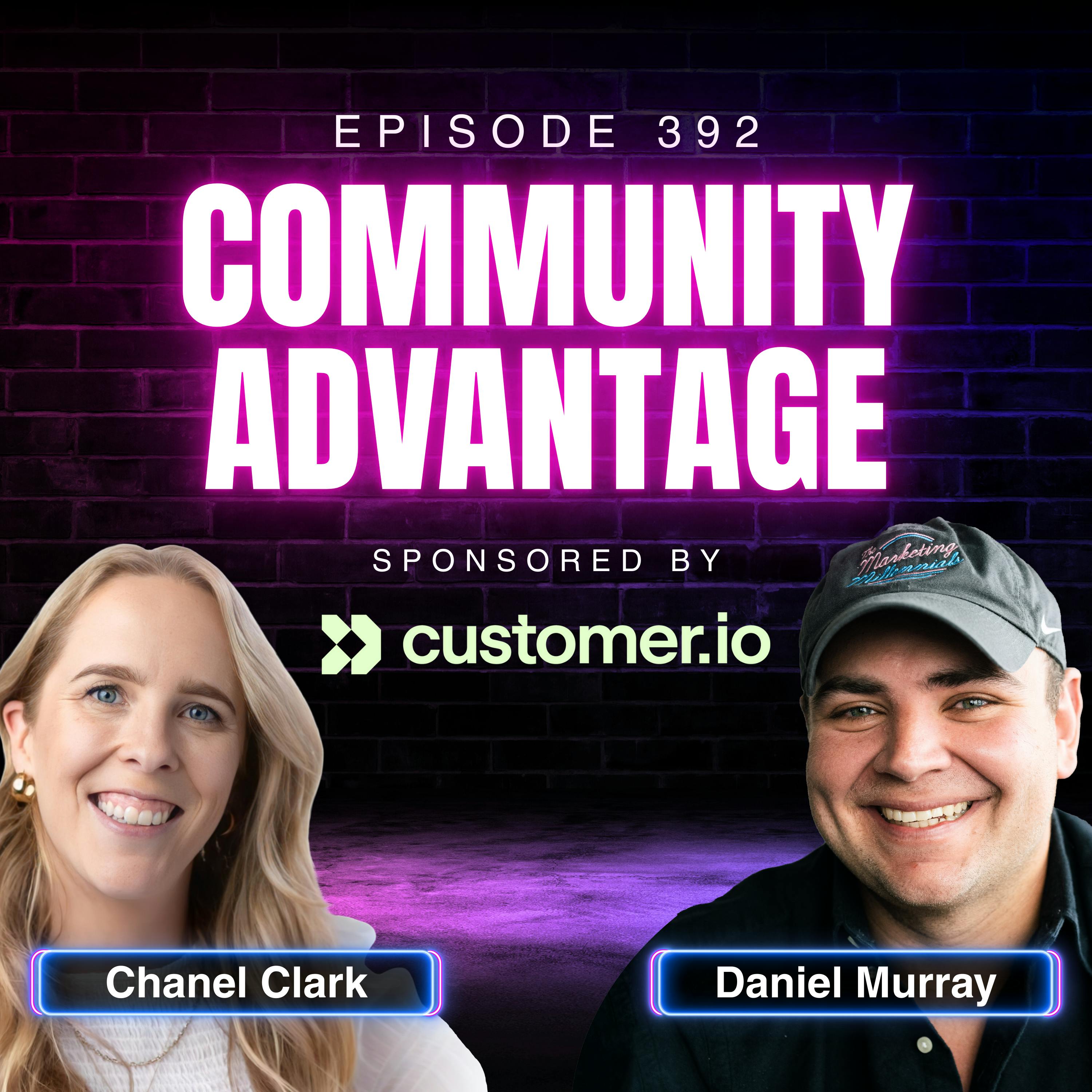
The Marketing Club (TMC) began not from a business plan, but from founder Chanel Clark's personal need as a solo marketer. A single, innocent LinkedIn post asking to connect with peers unexpectedly went viral, proving that organic, problem-led community origins are highly effective.
To stand out, focus on a very specific audience and problem. The speaker started by helping moms with Snapchat safety, then expanded to Snapchat marketing, and finally to general Instagram coaching. This phased approach builds authority before you widen your scope.

Many founders fail not from a lack of market opportunity, but from trying to serve too many customer types with too many offerings. This creates overwhelming complexity in marketing, sales, and product. Picking a narrow niche simplifies operations and creates a clearer path to traction and profitability.

Instead of broad marketing, the founder saw immediate traction when a user shared his product in a highly targeted online community. This demonstrates how tapping into a niche group with a specific, unsolved problem can create powerful early momentum.