Get your free personalized podcast brief
We scan new podcasts and send you the top 5 insights daily.
A successful investment doesn't automatically mean the decision was right, and a failure doesn't mean it was wrong. Carter Rehm advocates for focusing on the quality of the decision-making process, like a blackjack player following optimal strategy, to ensure long-term success despite short-term outlier outcomes.
Related Insights
Company building is a long-term game, not a sprint. A single early success in an investor's career can easily be attributed to luck. True investing prowess is demonstrated through consistent, patient backing of companies over the long haul, understanding that there are no overnight successes in venture capital.

During due diligence, it's crucial to look beyond returns. Top allocators analyze a manager's decision-making process, not just the outcome. They penalize managers who were “right for the wrong reasons” (luck) and give credit to those who were “wrong for the right reasons” (good process, bad luck).
![[REPLAY] Matt Bank - "GEMs" of Risk, Asset Allocation, and Manager Selection (EP.419) thumbnail](https://static.libsyn.com/p/assets/f/b/7/6/fb76e1c8bfb69e8dd959afa2a1bf1c87/CA_Square_logo_light_background_6.26.24.jpg)
A good outcome does not automatically validate the decision-making process, as luck plays a significant role. Howard Marks stresses the importance of intellectual humility in recognizing that a successful result could have stemmed from wrong reasons or randomness, a crucial distinction for repeatable success.

A simple framework to evaluate a VC's skill is the four 'D's'. They need proprietary Deal Flow, the ability to make good Decisions (initial investment), the conviction to Double Down on winners, and the discipline to generate Distributions (returns) for LPs.

In venture capital, the potential return from a single massive winner (1000x) is so asymmetric that it dwarfs the cost of multiple failures (1x loss). This reality dictates that the primary focus should be on identifying and capturing huge winners, making the failure to invest in one a far greater error than investing in a company that goes to zero.

A good decision can still have a bad outcome. The key is to focus on a strong process for the decision itself. Afterward, all energy should shift from relitigating the choice to proactively managing the new circumstances to create the best possible outcome.

In VC, where being wrong is the norm (80%+ of the time), the most critical trait is not righteousness but deep curiosity. This learning-first mindset is what uncovers non-obvious opportunities and allows investors to see future market shifts before they become mainstream, according to True Ventures' Jon Callaghan.
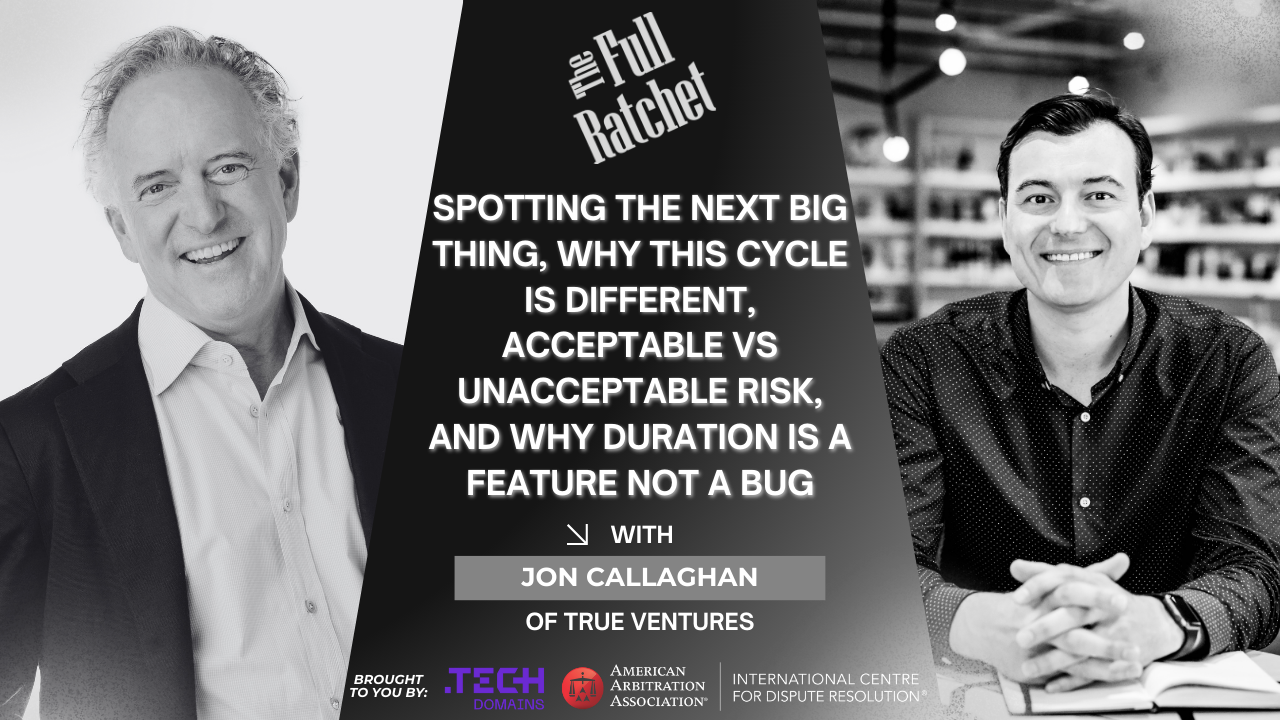
Passing on a company you admire due to mismatched timing, valuation, or uncertainty is a difficult but crucial discipline. True investment judgment involves tracking a thesis over time and waiting for the right entry point, rather than just identifying a single good team or idea.

Ben Horowitz argues that waiting a decade for fund outcomes is too slow. Instead, a16z judges investors "at the point of attack"—how good they are at finding and winning deals with exceptional founders. This focuses on decision quality in the present, not lagging indicators.

Citing former Treasury Secretary Bob Rubin, Josh Steiner argues you should never judge a decision by its outcome. A bad process can get lucky, and a rigorous one can fail. The key is to run a process that gathers all available information and empowers experts. Once that decision is made, don't look back, regardless of the result.