Get your free personalized podcast brief
We scan new podcasts and send you the top 5 insights daily.
The host suggests Trump's miscalculation with Iran is underestimating their desperation. When a regime or leader believes their very survival is at stake, they abandon conventional strategic calculations and will fight irrationally and ferociously, making them far more dangerous and unpredictable than standard models assume.

Related Insights
Constant military pressure and assassinations remove any disincentive for Iran to pursue nuclear weapons. When a regime is already being attacked, acquiring a nuclear deterrent becomes its most logical and effective path to survival, mirroring North Korea's strategy.

The greatest risk of nuclear weapon use is not a peacetime accident but a nation facing catastrophic defeat in a conventional war. The pressure to escalate becomes immense when a country's conventional forces are being eradicated, as it may see nuclear use as its only path to survival.

The bombing campaign, aimed at regime change, could be counterproductive. Prior to the conflict, Iran's regime was seen as unpopular and frail, potentially heading for collapse or moderation. The external attack risks creating a rally-round-the-flag effect, allowing the regime to consolidate power where mere survival becomes a victory.
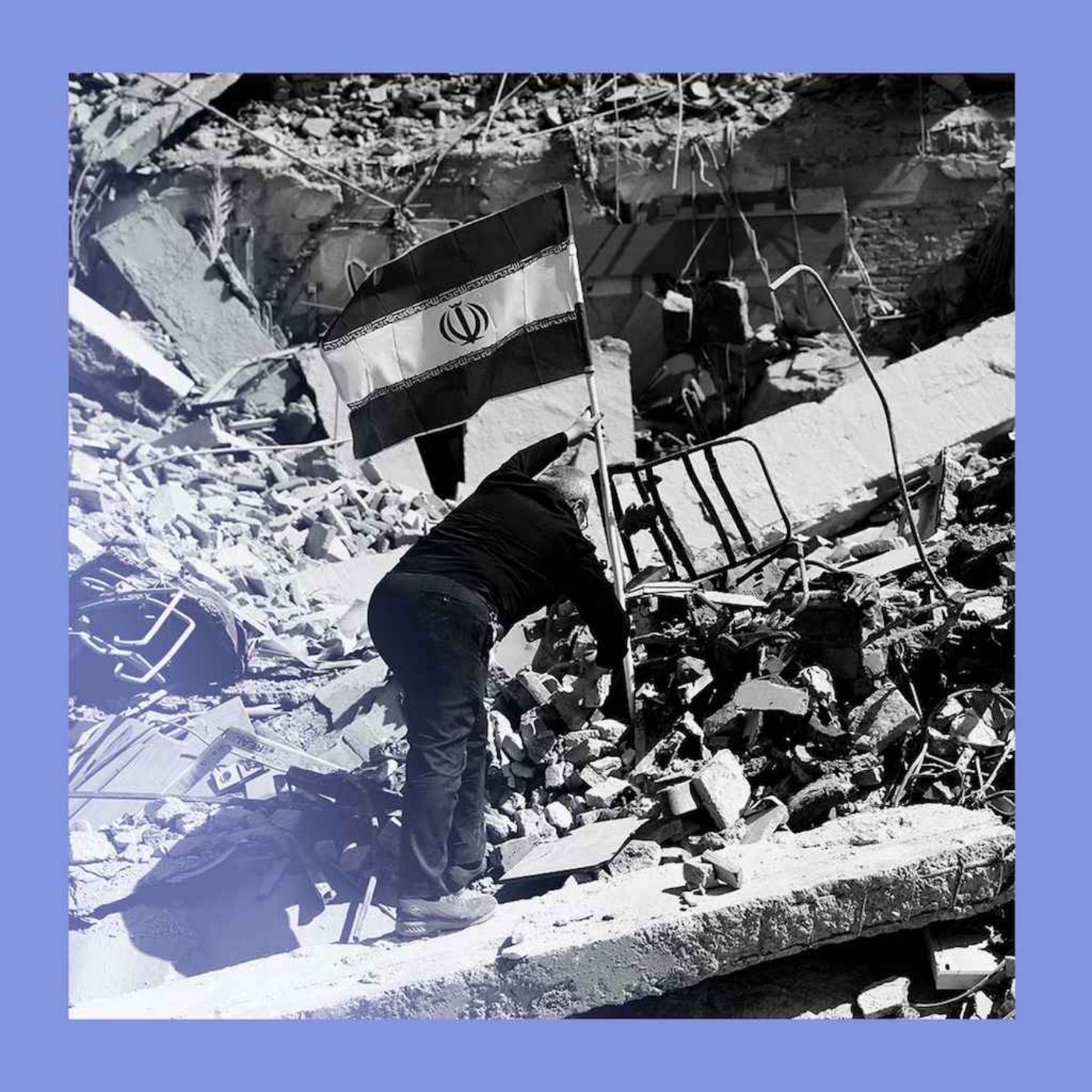
The podcast uses a video game analogy to stress that in real-world conflicts, there's no option to restart after a mistake. Decisions, like the current Iran strategy, have permanent, cascading consequences that cannot be undone by simply changing tactics.
Targeting a regime's leader, assuming it will cause collapse, is a fallacy. Resilient, adaptive regimes often replace the fallen leader with a more aggressive individual who is incentivized to lash back simply to establish their own credibility and power.
The US is trapped. Withdrawing from Iran would signal imperial collapse, causing allies to defect and the dollar to fail. Therefore, leaders feel forced to double down and escalate, like a gambler chasing losses.

Destroying Iran's conventional military without toppling the regime could create a cornered, vengeful state. Lacking other options and led by a leader whose father was just killed, it might turn to asymmetric warfare like terrorism to retaliate for its humiliation and losses.

Trump has a history of taking actions that foreign policy experts warned would backfire, only for those warnings not to materialize. This track record likely created an overconfidence in his own instincts, causing him to disregard or underestimate the unique dangers of a military confrontation with Iran.
Leaders often assume that applying pressure will force an opponent to the negotiating table. This strategy can fail when the adversary operates under a different logic or, as with Iran's decentralized military, when there is no single authority left to negotiate with, revealing a critical cognitive bias.

Despite widespread internal protests and instability, history shows that an external attack is one of the few things that can unify the Iranian population. A potential Israeli strike, meant to weaken the regime, could backfire by creating a 'rally 'round the flag' effect that shores up support for the Ayatollah.
